
















©The Author(s) 2026.
World J Gastroenterol. Jan 7, 2026; 32(1): 114479
Published online Jan 7, 2026. doi: 10.3748/wjg.v32.i1.114479
Published online Jan 7, 2026. doi: 10.3748/wjg.v32.i1.114479
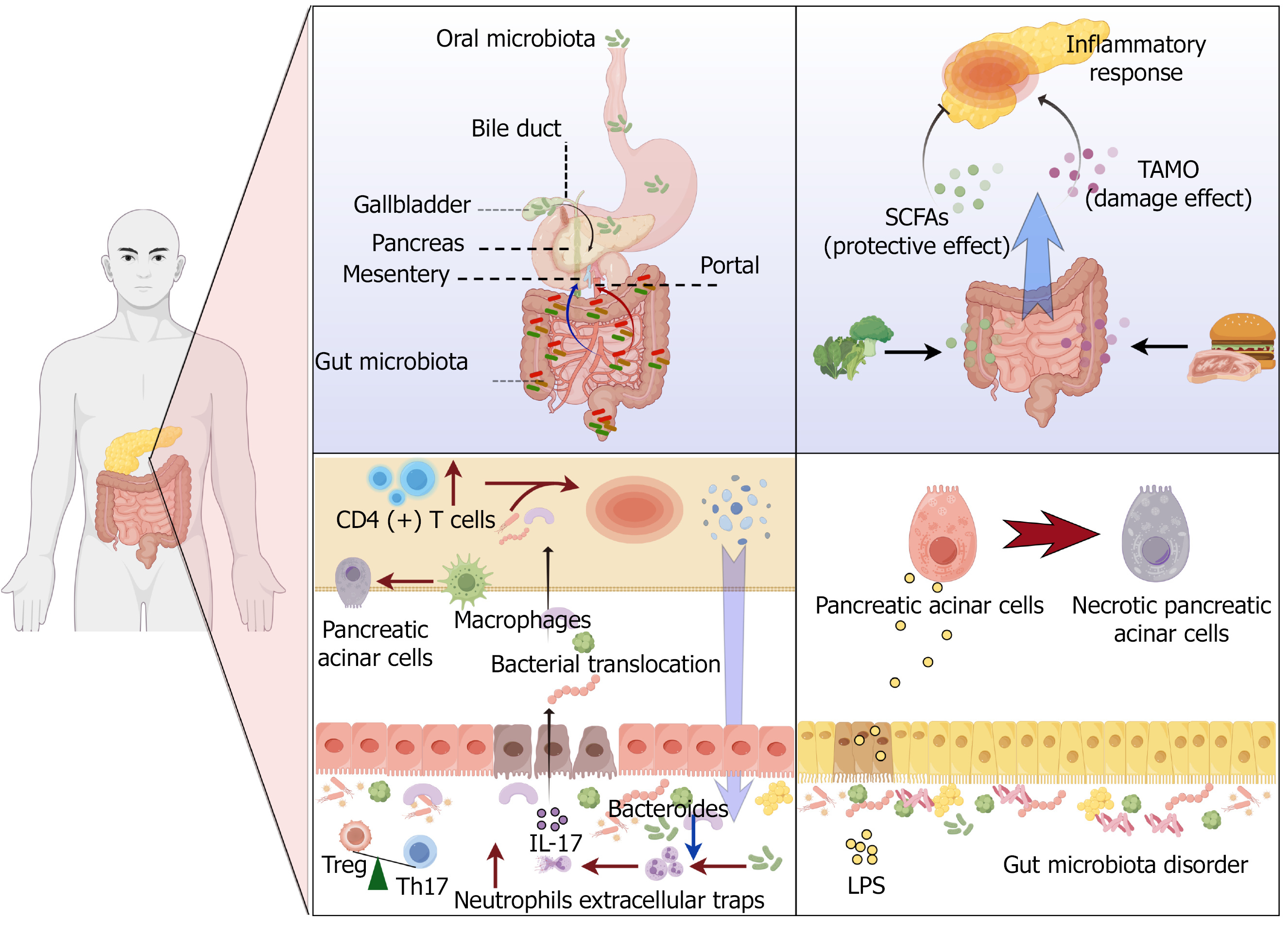
Figure 1 Bidirectional communication between the gut and pancreas.
Gut microbiota may enter the pancreas through: Portal circulation; Mesenteric lymph nodes; Pancreatic duct reflux. Gut microbiota metabolites mediate bidirectional communication between the gut and pancreas. Gut microbiota can cause bacterial translocation by regulating the regulatory T cell/T helper 17 cell ratio. The reduction of Bacteroides abundance can regulate neutrophils to form neutrophil extracellular traps, leading to impairment of intestinal barrier function. The inflammatory response of the pancreas leads to a decrease in antimicrobial peptide synthesis, which results in a disturbance of the gut microbiota. Gut microbiota disorders lead to lipopolysaccharide elevation, leading to pancreatic acinar cell damage. IL: Interleukin; Treg: Regulatory T; Th: T helper; CD: Cluster of differentiation; SCFAs: Short-chain fatty acids; TMAO: Trimethylamine N-oxide; LPS: Lipopolysaccharide.
- Citation: Song XF, Liu Y, Fei QM, Xu CL, Ji FP. Potential influence of gut microbiota on the process of hypertriglyceridemia-aggravated acute pancreatitis. World J Gastroenterol 2026; 32(1): 114479
- URL: https://www.wjgnet.com/1007-9327/full/v32/i1/114479.htm
- DOI: https://dx.doi.org/10.3748/wjg.v32.i1.114479