
















©The Author(s) 2025.
World J Gastroenterol. Dec 21, 2025; 31(47): 113156
Published online Dec 21, 2025. doi: 10.3748/wjg.v31.i47.113156
Published online Dec 21, 2025. doi: 10.3748/wjg.v31.i47.113156
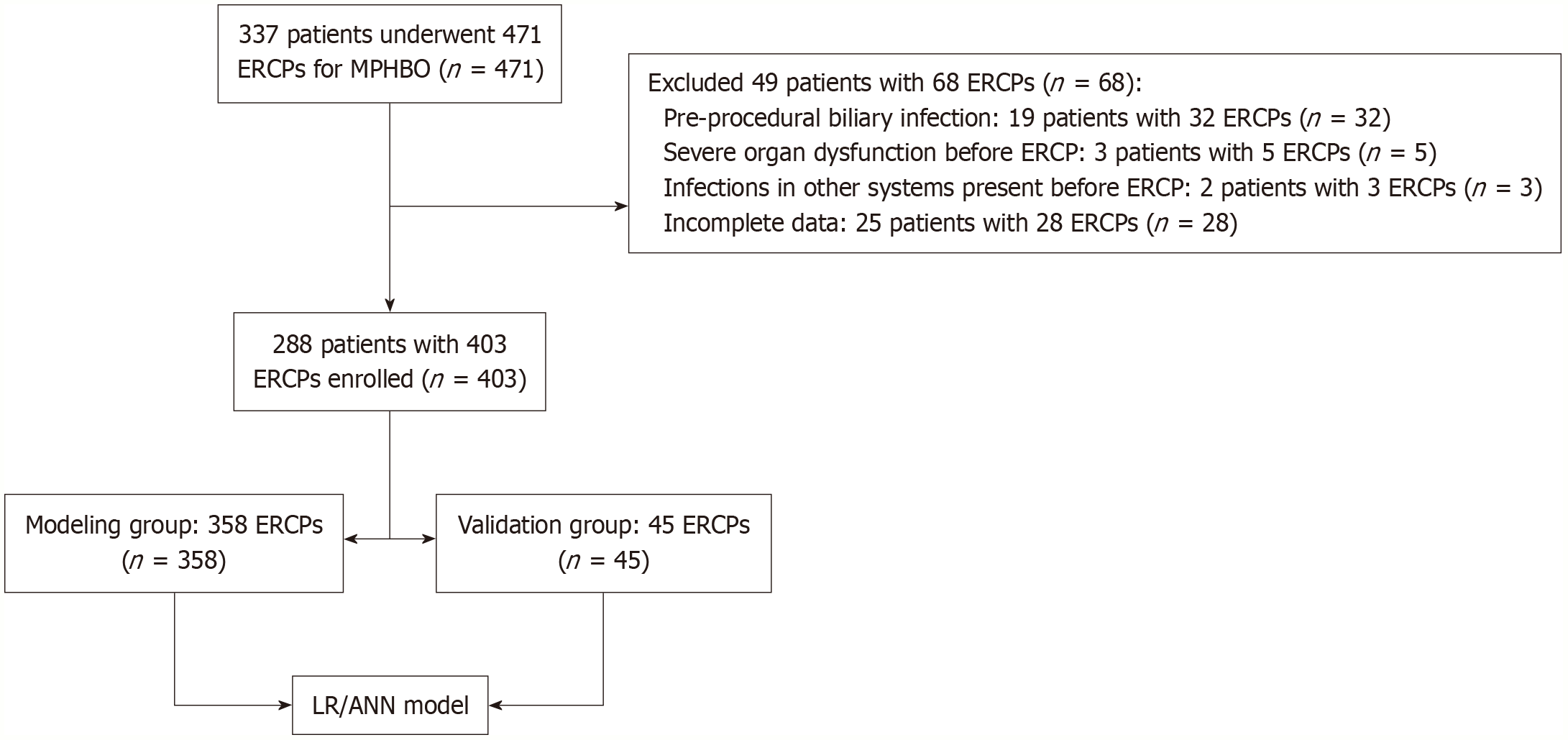
Figure 1 Flowchart of model patient enrollment.
From January 2014 to October 2024, 337 patients with malignant perihilar biliary obstruction (MPHBO) successfully received 471 endoscopic retrograde cholangiopancreatography (ERCP) drainage procedures for MPHBO in three centers. Nineteen patients suffering from 32 ERCPs had pre-procedural biliary infection (n = 32); three individuals suffering from 5 ERCPs (n = 5) had severe organ dysfunction before ERCP; two of those enduring 3 ERCPs (n = 3) had infections in other systems present before ERCP; twenty-five individuals suffering from 28 ERCPs (n = 28) had incomplete data. After 49 patients enduring 68 ERCPs were excluded, 288 individuals suffering from 403 eligible ERCP clinical data were enrolled in the study. ANN: Artificial neural network; LR: Logistic regression.
- Citation: Wang YF, Han K, An N, Sun YN, Gao F, Sun Y, Zhang D, Zhao ZF, Guo Q, Gu JN, Yang Z. Risk prediction of biliary infection after endoscopic drainage for malignant perihilar biliary obstruction: A 10-year multicenter retrospective study. World J Gastroenterol 2025; 31(47): 113156
- URL: https://www.wjgnet.com/1007-9327/full/v31/i47/113156.htm
- DOI: https://dx.doi.org/10.3748/wjg.v31.i47.113156