
















©The Author(s) 2025.
World J Gastroenterol. Nov 28, 2025; 31(44): 113793
Published online Nov 28, 2025. doi: 10.3748/wjg.v31.i44.113793
Published online Nov 28, 2025. doi: 10.3748/wjg.v31.i44.113793
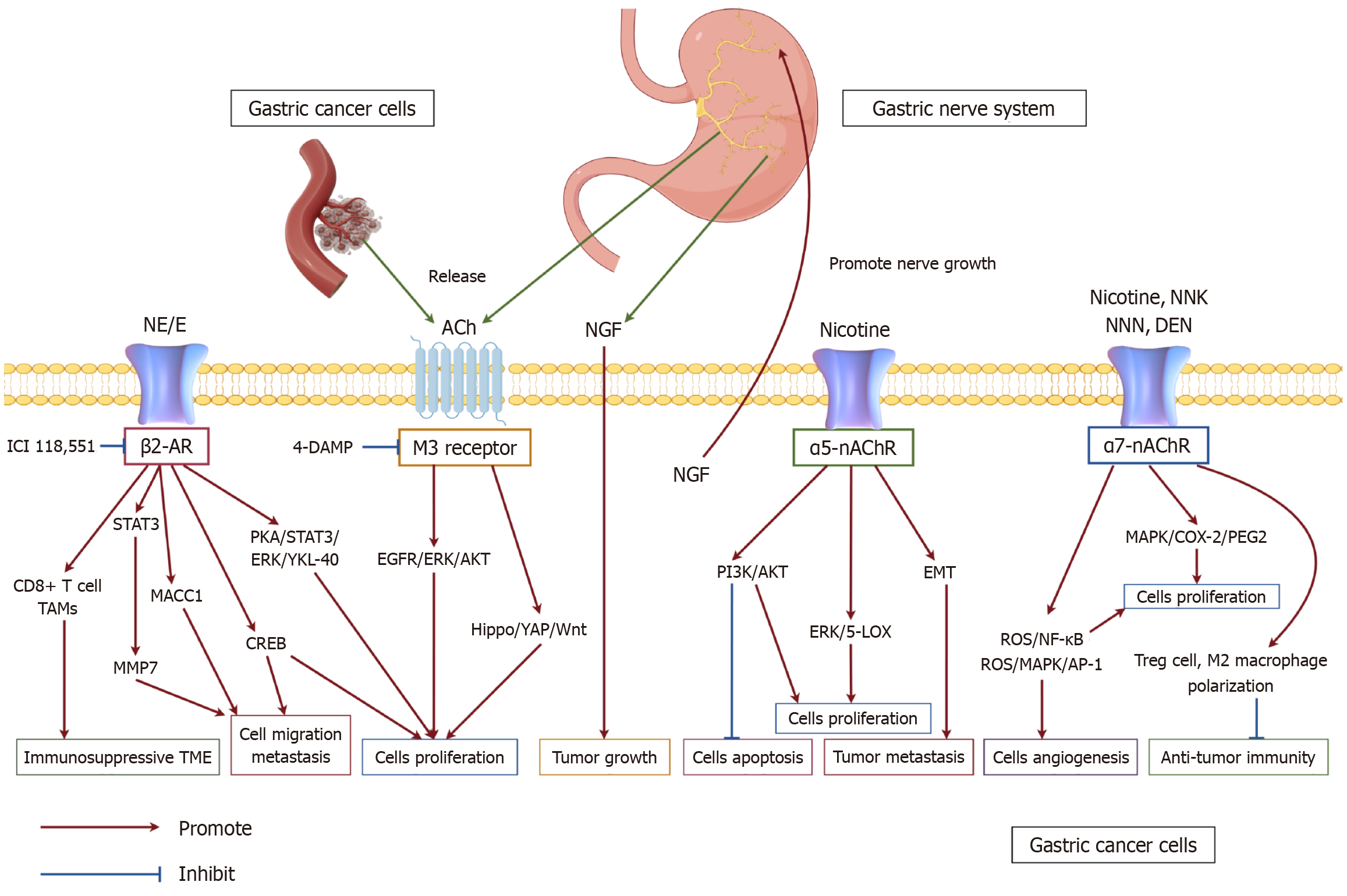
Figure 2 The interaction between gastric nerve system and gastric cancer.
Neurotransmitters released from the fibers of the gastric nervous system modulate gastric cancer progression by engaging specific receptors that control proliferation, invasion, migration, angiogenesis, and immune responses. Tumor cell growth and motility are enhanced by norepinephrine/epinephrine through theβ2-AR pathway, which signals via PKA/STAT3. Acetylcholine, produced both by gastric carcinoma cells and enteric ganglia, triggers oncogenic Hippo and EGFR signaling in malignant cells via M3 receptor activation. Nicotine and structurally related compounds facilitate gastric tumor development through α5-nAChR-driven PI3K or ERK pathways, while also promoting angiogenesis and suppressing antitumor immune activity via α7-nAChR-mediated ROS/MAPK signaling. Furthermore, gastric ganglia release nerve growth factor (NGF) to support tumor expansion, whereas gastric cancer cells in turn secrete NGF to stimulate neurite extension, forming a self-perpetuating neuro-tumoral feedback circuit (by figdraw.com, Supplementary material). Ach: Acetylcholine; NGF: Nerve growth factor; NE: Norepinephrine; E: Epinephrine.
- Citation: Liu YZ, Liu WX, Deng WH. Advances in the study of the relationship between neurotransmitters and gastric cancer. World J Gastroenterol 2025; 31(44): 113793
- URL: https://www.wjgnet.com/1007-9327/full/v31/i44/113793.htm
- DOI: https://dx.doi.org/10.3748/wjg.v31.i44.113793