
















©The Author(s) 2025.
World J Gastroenterol. Nov 28, 2025; 31(44): 113793
Published online Nov 28, 2025. doi: 10.3748/wjg.v31.i44.113793
Published online Nov 28, 2025. doi: 10.3748/wjg.v31.i44.113793
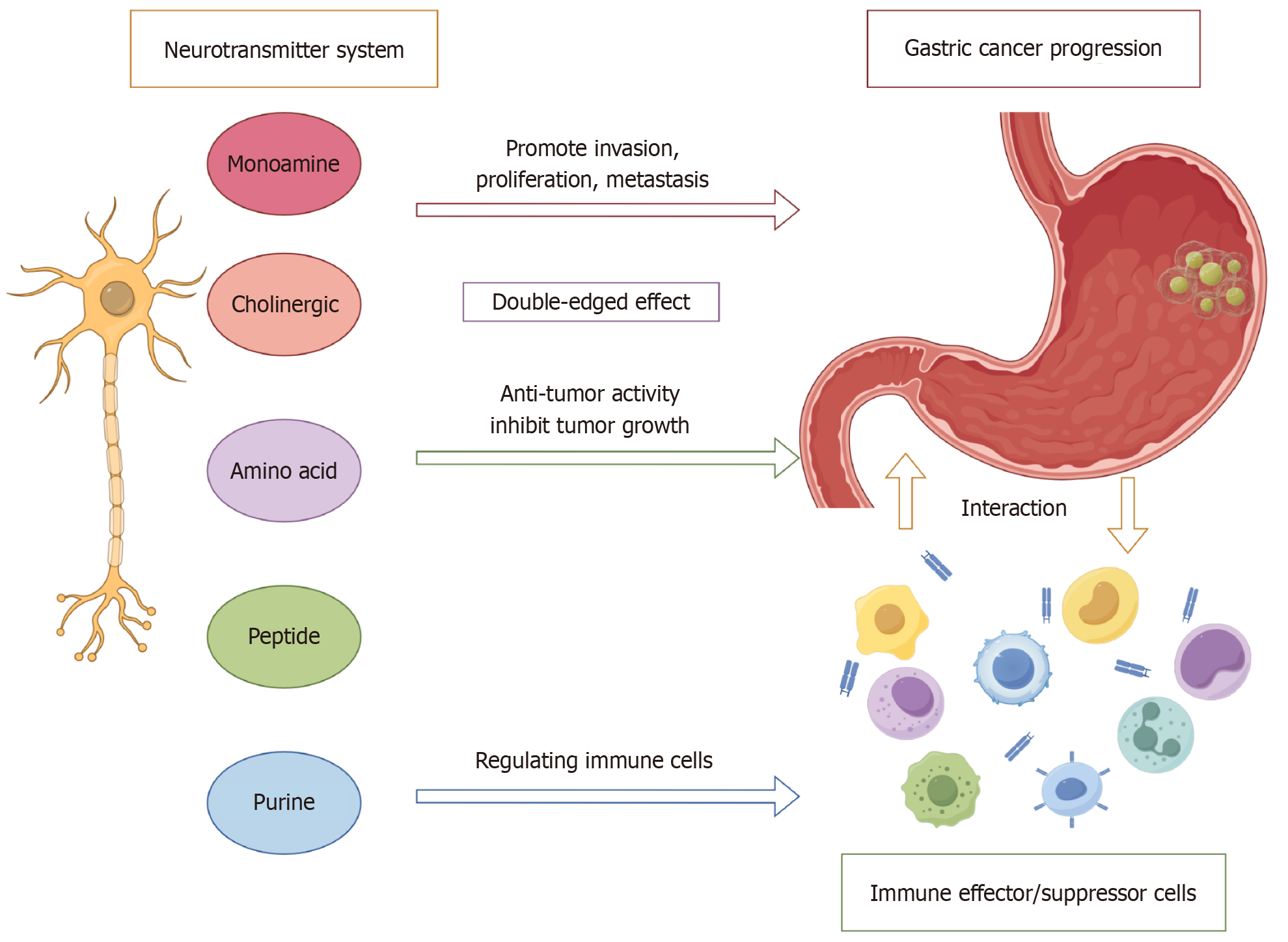
Figure 1 Introduction figure of the “neurotransmitters-immunity-tumors” axis.
Monoamines, cholinergic agents, amino acid derivatives, peptides, and purinergic neurotransmitters within the nervous system exert bidirectional effects on gastric carcinoma. Certain neurotransmitters promote cellular proliferation, invasive behavior, and metastatic progression, thereby facilitating tumor advancement. In contrast, others suppress oncogenic activity and restrain tumor growth. Moreover, neurotransmitters regulate the function of immune effector and suppressor cells, which dynamically interact with gastric cancer cells. The coordinated regulation of neurotransmitters, immune components, and malignant cells constitutes the so-called “neurotransmitter-immune-tumor” axis (by figdraw.com, Supplementary material).
- Citation: Liu YZ, Liu WX, Deng WH. Advances in the study of the relationship between neurotransmitters and gastric cancer. World J Gastroenterol 2025; 31(44): 113793
- URL: https://www.wjgnet.com/1007-9327/full/v31/i44/113793.htm
- DOI: https://dx.doi.org/10.3748/wjg.v31.i44.113793