
















©The Author(s) 2025.
World J Gastroenterol. Nov 28, 2025; 31(44): 112833
Published online Nov 28, 2025. doi: 10.3748/wjg.v31.i44.112833
Published online Nov 28, 2025. doi: 10.3748/wjg.v31.i44.112833
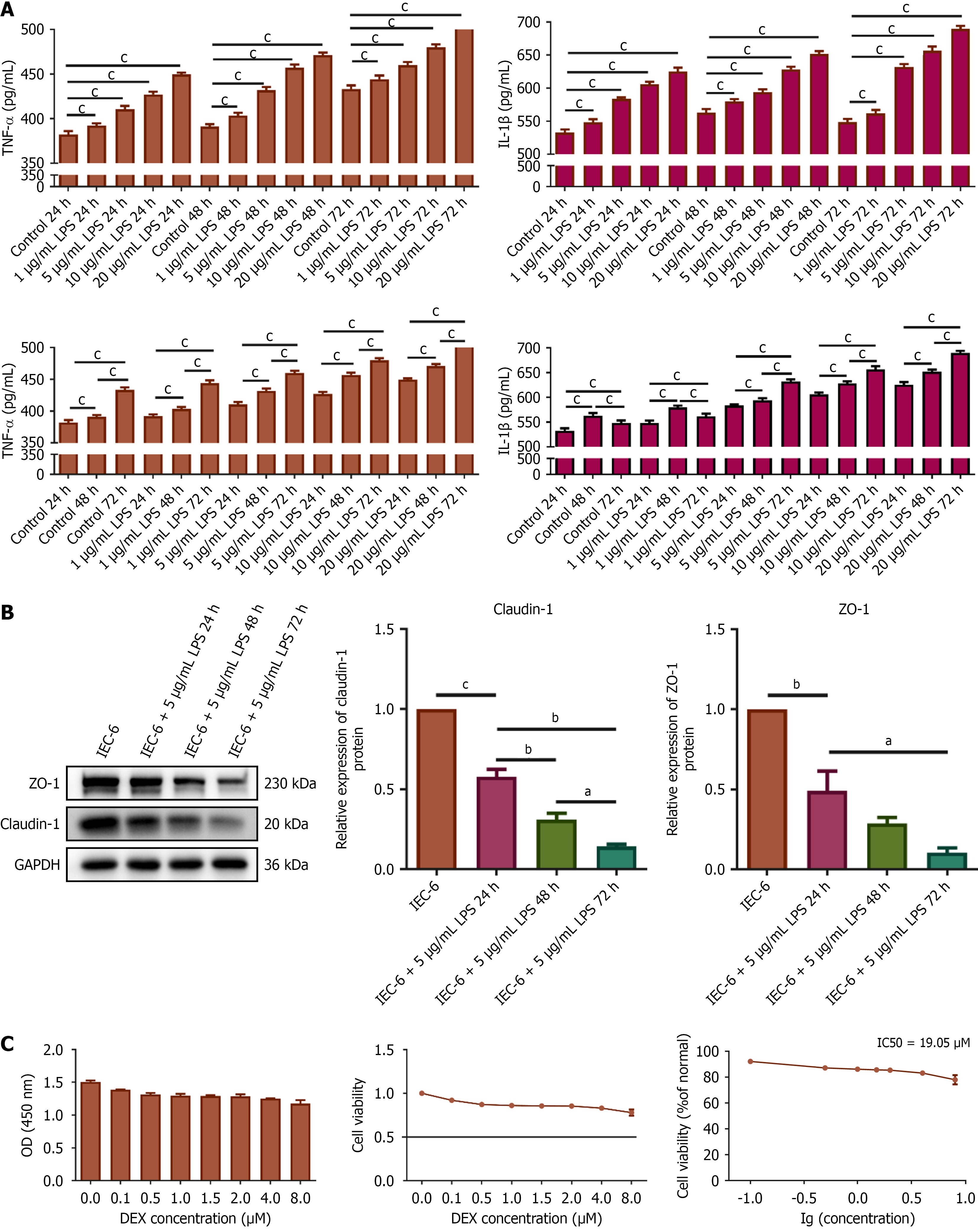
Figure 5 Establishing optimal in vitro experimental conditions.
A: Tumor necrosis factor-alpha and interleukin-1β levels in supernatants of IEC-6 cells treated with various concentrations and durations of lipopolysaccharide (LPS), measured by enzyme-linked immunosorbent assay; B: The protein expression of claudin-1 and zonula occludens-1 in IEC-6 cells treated with 5 μg/mL LPS for the indicated durations, assessed by Western blotting; C: IEC-6 cell viability assessed by cell counting kit-8 assay following treatment with different concentrations of dexmedetomidine. aP < 0.05. bP < 0.01. cP < 0.001. Dexmedetomidine concentrations selected for subsequent experiments: Dexmedetomidine-low (2.4 μM), Dexmedetomidine-high (4.8 μM). TNF: Tumor necrosis factor; IL: Interleukin; GAPDH: Glyceraldehyde-3-phosphate dehydrogenase; LPS: Lipopolysaccharide; ZO-1: Zonula occludens-1; OD: Optical density; DEX: Dexmedetomidine.
- Citation: Chen Y, Li CT, Wang JB, Tang WL, Zhao Y, Chen Y, Liao LM, Zhang LC, Lin TH, Cao ZF. Dexmedetomidine enhances anastomotic healing partly via the Wnt/β-catenin pathway in a rat model of colon surgery. World J Gastroenterol 2025; 31(44): 112833
- URL: https://www.wjgnet.com/1007-9327/full/v31/i44/112833.htm
- DOI: https://dx.doi.org/10.3748/wjg.v31.i44.112833