
















©The Author(s) 2025.
World J Gastroenterol. Nov 28, 2025; 31(44): 112833
Published online Nov 28, 2025. doi: 10.3748/wjg.v31.i44.112833
Published online Nov 28, 2025. doi: 10.3748/wjg.v31.i44.112833
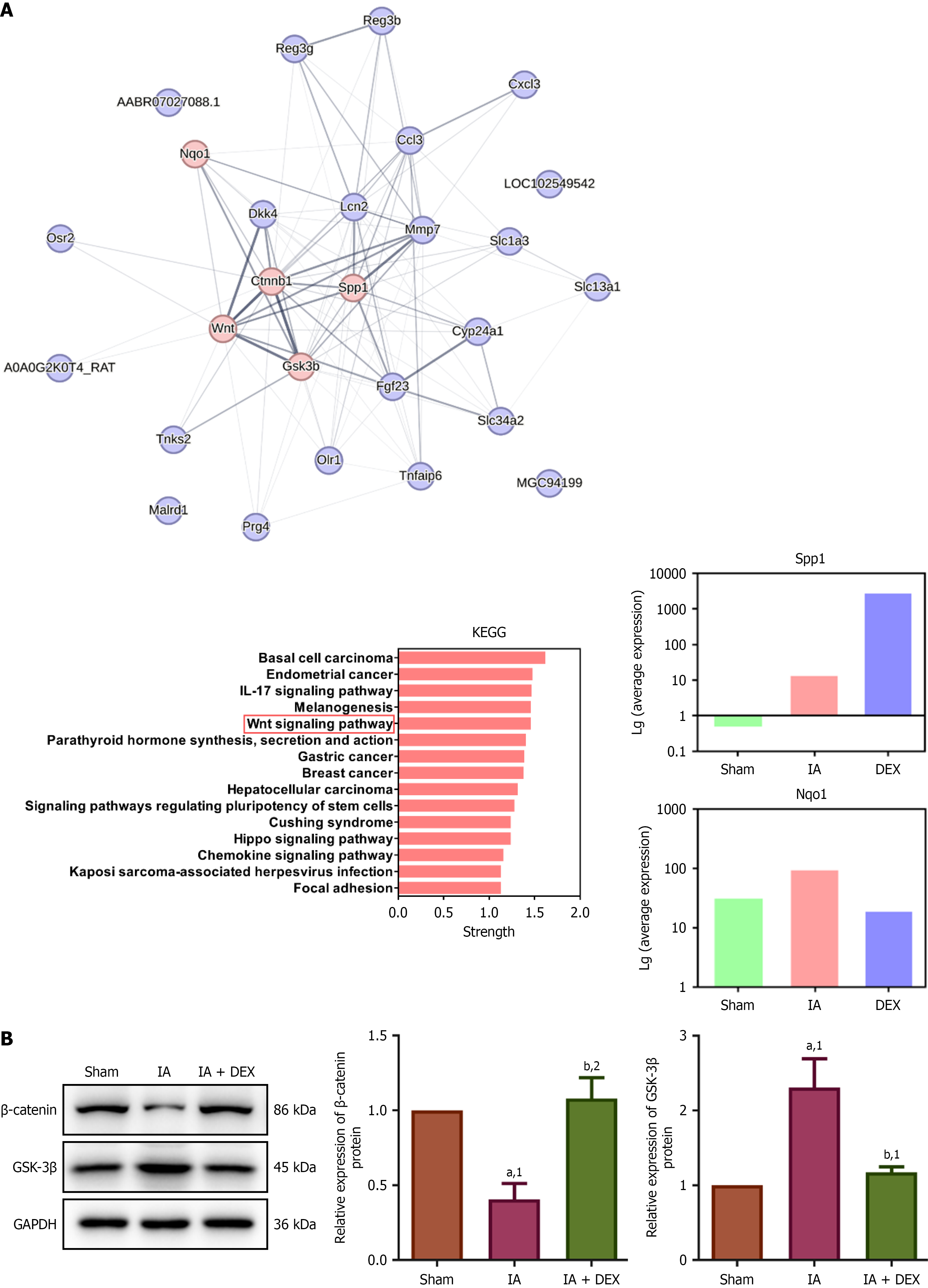
Figure 4 Dexmedetomidine upregulated Wnt signaling pathway activity in rats after intestinal anastomosis surgery.
A: Protein-protein interaction network and Kyoto Encyclopedia of Genes and Genomes enrichment analysis of 19 key genes, identifying significant involvement of the Wnt signaling pathway; B: Dexmedetomidine upregulated the Wnt signaling pathway after intestinal anastomosis surgery (n = 3 per group). aP < 0.05. bP < 0.01. 1P compared with the sham group. 2P compared with the intestinal anastomosis group. KEGG: Kyoto Encyclopedia of Genes and Genomes; IL: Interleukin; GSK-3β: Glycogen synthase kinase-3 beta; GAPDH: Glyceraldehyde-3-phosphate dehydrogenase; DEX: Dexmedetomidine; IA: Intestinal anastomosis; Sham group: Underwent abdominal only opening and closure; IA + DEX group: Dexmedetomidine was infused in the intestinal anastomosis model.
- Citation: Chen Y, Li CT, Wang JB, Tang WL, Zhao Y, Chen Y, Liao LM, Zhang LC, Lin TH, Cao ZF. Dexmedetomidine enhances anastomotic healing partly via the Wnt/β-catenin pathway in a rat model of colon surgery. World J Gastroenterol 2025; 31(44): 112833
- URL: https://www.wjgnet.com/1007-9327/full/v31/i44/112833.htm
- DOI: https://dx.doi.org/10.3748/wjg.v31.i44.112833