
















©The Author(s) 2025.
World J Gastroenterol. Nov 21, 2025; 31(43): 112797
Published online Nov 21, 2025. doi: 10.3748/wjg.v31.i43.112797
Published online Nov 21, 2025. doi: 10.3748/wjg.v31.i43.112797
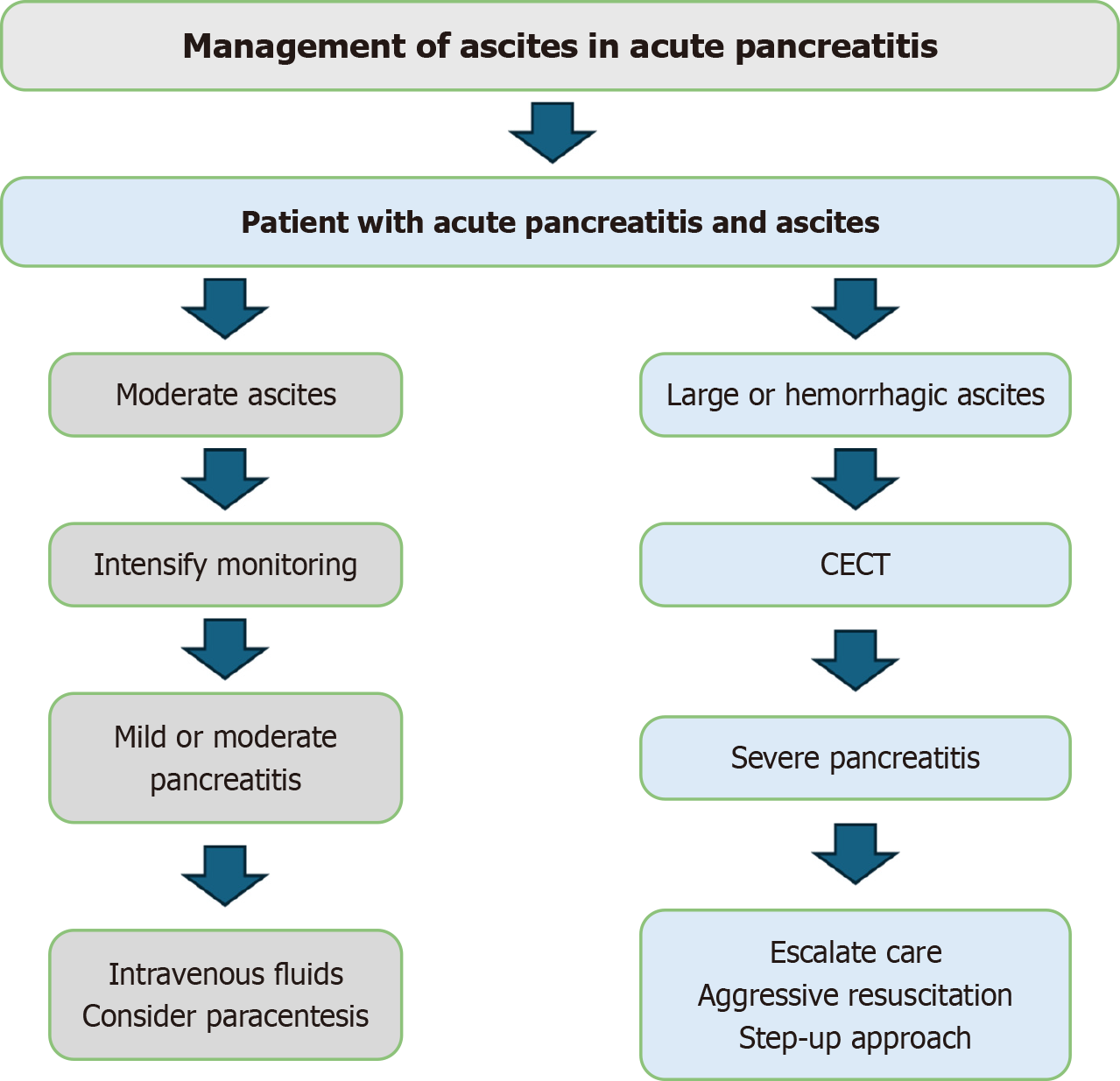
Figure 1 Management of ascites in acute pancreatitis.
The algorithm starts with early identification of ascites (usually by contrast-enhanced CT). If ascites is small and the patient is stable, supportive treatment and monitoring are sufficient. In cases of tense or hemorrhagic ascites or when abdominal compartment syndrome is suspected, diagnostic and therapeutic paracentesis is indicated. If persistent high-volume output, infected fluid, or ductal disruption is confirmed, escalation to percutaneous catheter drainage or endoscopic therapy (endoscopic retrograde cholangiopancreatography with stenting) is recommended. This step-up approach allows timely intervention while avoiding unnecessary invasive procedures. CECT: Contrast-enhanced CT.
- Citation: Zerem E, Zerem D, Vila Š, Bajgorić S. Ascites in acute pancreatitis: A window into disease severity. World J Gastroenterol 2025; 31(43): 112797
- URL: https://www.wjgnet.com/1007-9327/full/v31/i43/112797.htm
- DOI: https://dx.doi.org/10.3748/wjg.v31.i43.112797