
















©The Author(s) 2025.
World J Gastroenterol. Nov 21, 2025; 31(43): 112483
Published online Nov 21, 2025. doi: 10.3748/wjg.v31.i43.112483
Published online Nov 21, 2025. doi: 10.3748/wjg.v31.i43.112483
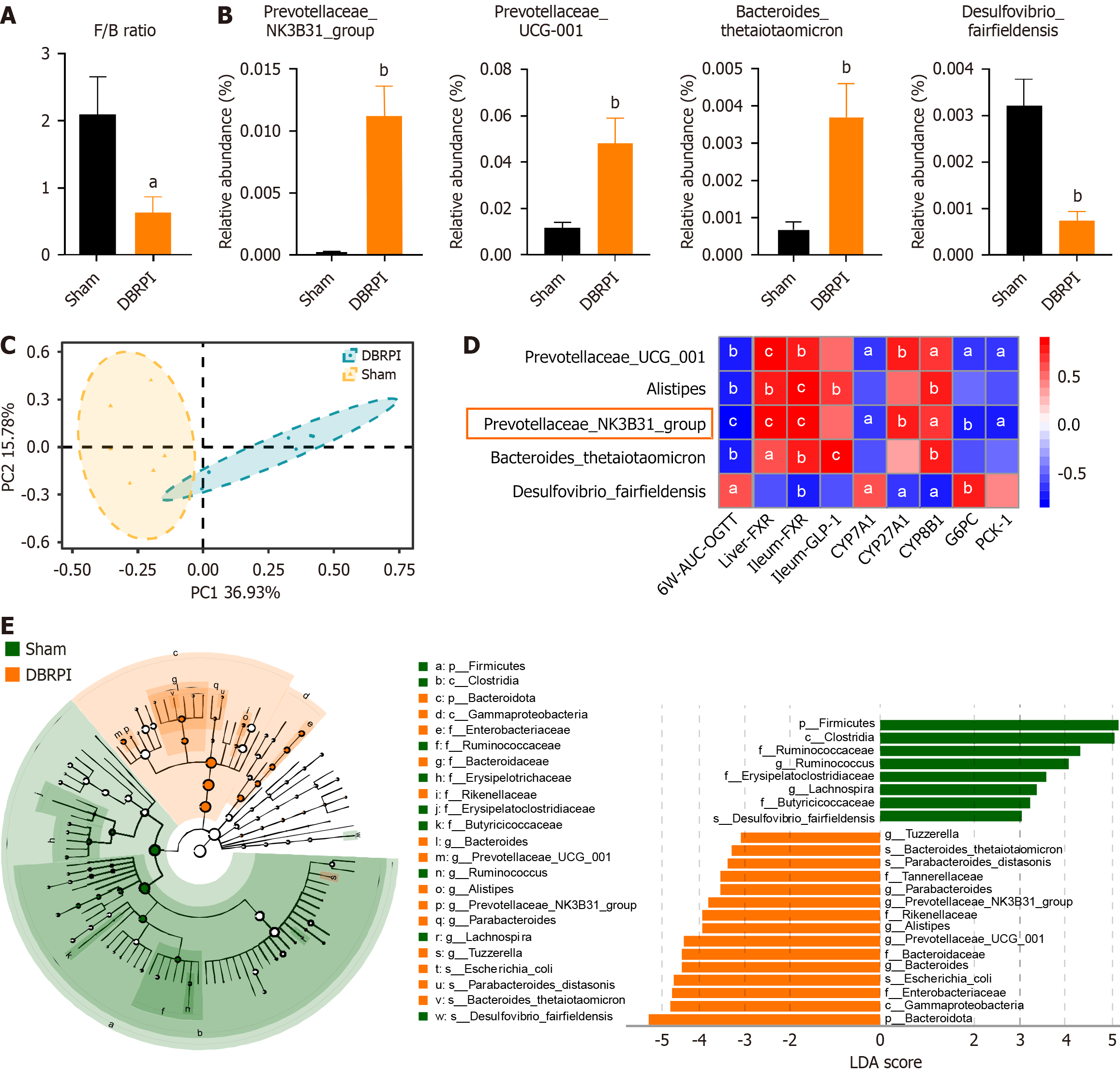
Figure 4 Significant changes in gut microbiota after distal bowel resection with preservation of the terminal ileum surgery.
A: Fir
- Citation: Xu CY, Zheng ZH, Yang K, Wu RR, Cao JQ, Duan JY. Distal small bowel resection with preservation of the terminal ileum suppresses hepatic gluconeogenesis via the Prevotellaceae_NK3B31_group-mediated 7-KLCA-FXR axis. World J Gastroenterol 2025; 31(43): 112483
- URL: https://www.wjgnet.com/1007-9327/full/v31/i43/112483.htm
- DOI: https://dx.doi.org/10.3748/wjg.v31.i43.112483