
















©The Author(s) 2025.
World J Gastroenterol. Nov 14, 2025; 31(42): 112180
Published online Nov 14, 2025. doi: 10.3748/wjg.v31.i42.112180
Published online Nov 14, 2025. doi: 10.3748/wjg.v31.i42.112180
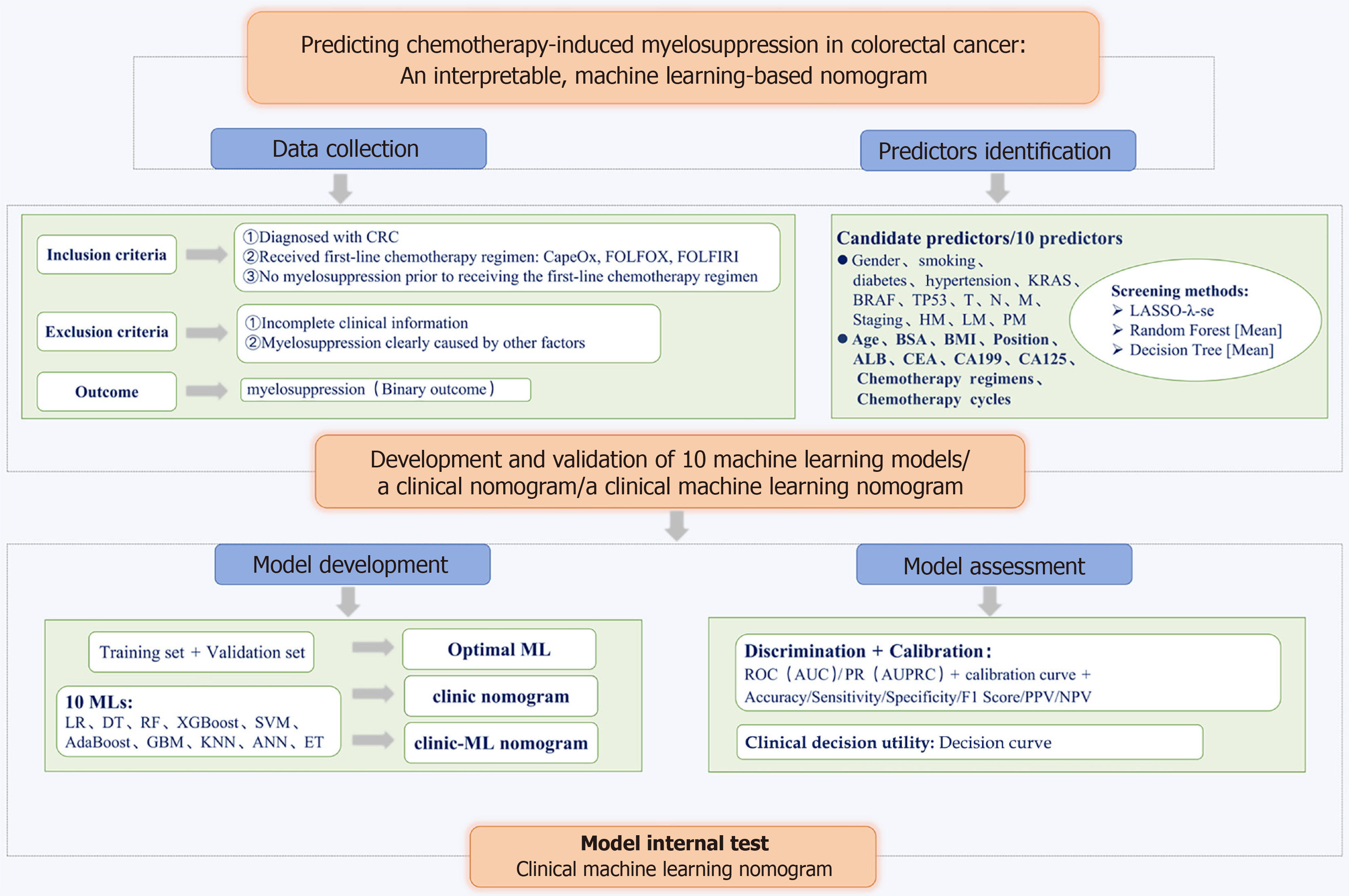
Figure 1 Flowchart of the study protocol.
CRC: Colorectal cancer; T: Tumor; N: Node; M: Metastasis; HM: Hepatic metastasis; LM: Lung metastasis; PM: Peritoneal metastasis; BSA: Body surface area; BMI: Body mass index; ALB: Albumin; CEA: Carcinoembryonic antigen; CA: Carbohydrate antigen; LASSO: Least absolute shrinkage and selection operator; ML: Machine learning; LR: Logistic regression; DT: Decision trees; RF: Random forest; XGBoost: Extreme gradient boosting; SVM: Support vector machines; GBM: Gradient boosting machines; KNN: K-Nearest neighbors; ANN: Artificial neural network; ET: Extreme trees; ROC: Receiver operating characteristic; AUC: Area under the curve; PR: Precision-recall; AUPRC: Area under the precision-recall curve; PPV: Positive predictive value; NPV: Negative predictive value.
- Citation: Liu YM, Du YY, Song Y, Xiong HT, Yu HB, Li BH, Cai L, Ma SS, Gao J, Zhang HY, Fang RY, Cai R, Zheng HG. Predicting chemotherapy-induced myelosuppression in colorectal cancer: An interpretable, machine learning-based nomogram. World J Gastroenterol 2025; 31(42): 112180
- URL: https://www.wjgnet.com/1007-9327/full/v31/i42/112180.htm
- DOI: https://dx.doi.org/10.3748/wjg.v31.i42.112180