
















©The Author(s) 2025.
World J Gastroenterol. Nov 7, 2025; 31(41): 111174
Published online Nov 7, 2025. doi: 10.3748/wjg.v31.i41.111174
Published online Nov 7, 2025. doi: 10.3748/wjg.v31.i41.111174
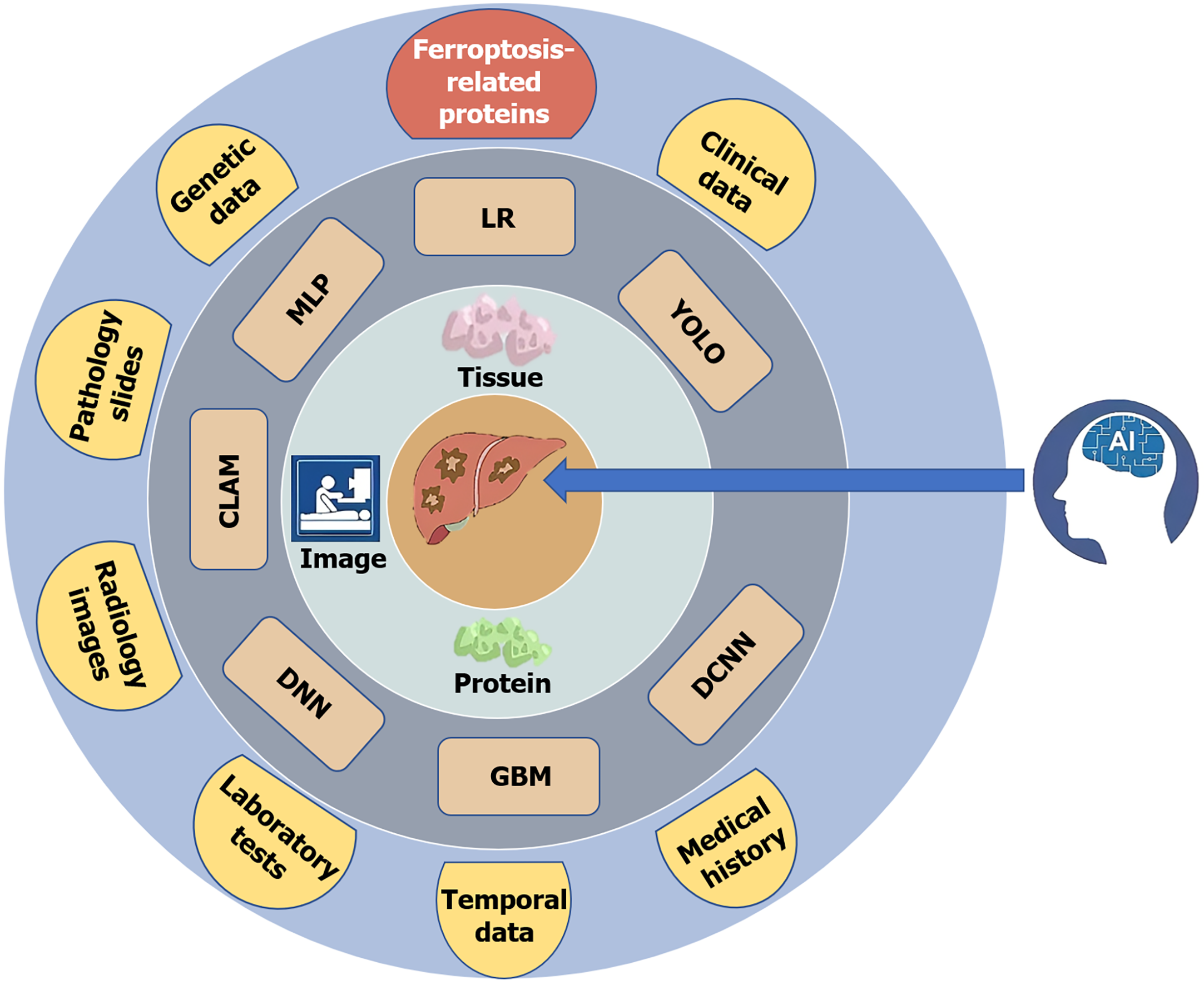
Figure 5 Liver cancer prediction models and associated databases are primarily constructed based on three directions: Images, tissue pathology grading, and protein markers.
Commonly used algorithms include deep neural network, gradient boosting machine, deep convolutional neural network, you only look once, logistic regression, multilayer perceptron, and compressed linear approximation model. During model training, data are mainly drawn from eight sources: Genetic data, pathology slides, radiology images, laboratory tests, temporal data, medical history, clinical data, and ferroptosis-related proteins. LR: Logistic regression; YOLO: You only look once; DCNN: Deep convolutional neural network; GBM: Gradient boosting machine; DNN: Deep neural network; CLAM: Compressed linear approximation model; MLP: Multilayer perceptron; AI: Artificial intelligence.
- Citation: Han JF, Jia ZY, Fan X, Zhao XY, Cheng LY, Xia YX, Ji XR, Zang WQ. Mechanisms of ferroptosis in primary hepatocellular carcinoma and progress of artificial intelligence-based predictive modeling in hepatocellular carcinoma. World J Gastroenterol 2025; 31(41): 111174
- URL: https://www.wjgnet.com/1007-9327/full/v31/i41/111174.htm
- DOI: https://dx.doi.org/10.3748/wjg.v31.i41.111174