
















©The Author(s) 2025.
World J Gastroenterol. Nov 7, 2025; 31(41): 111174
Published online Nov 7, 2025. doi: 10.3748/wjg.v31.i41.111174
Published online Nov 7, 2025. doi: 10.3748/wjg.v31.i41.111174
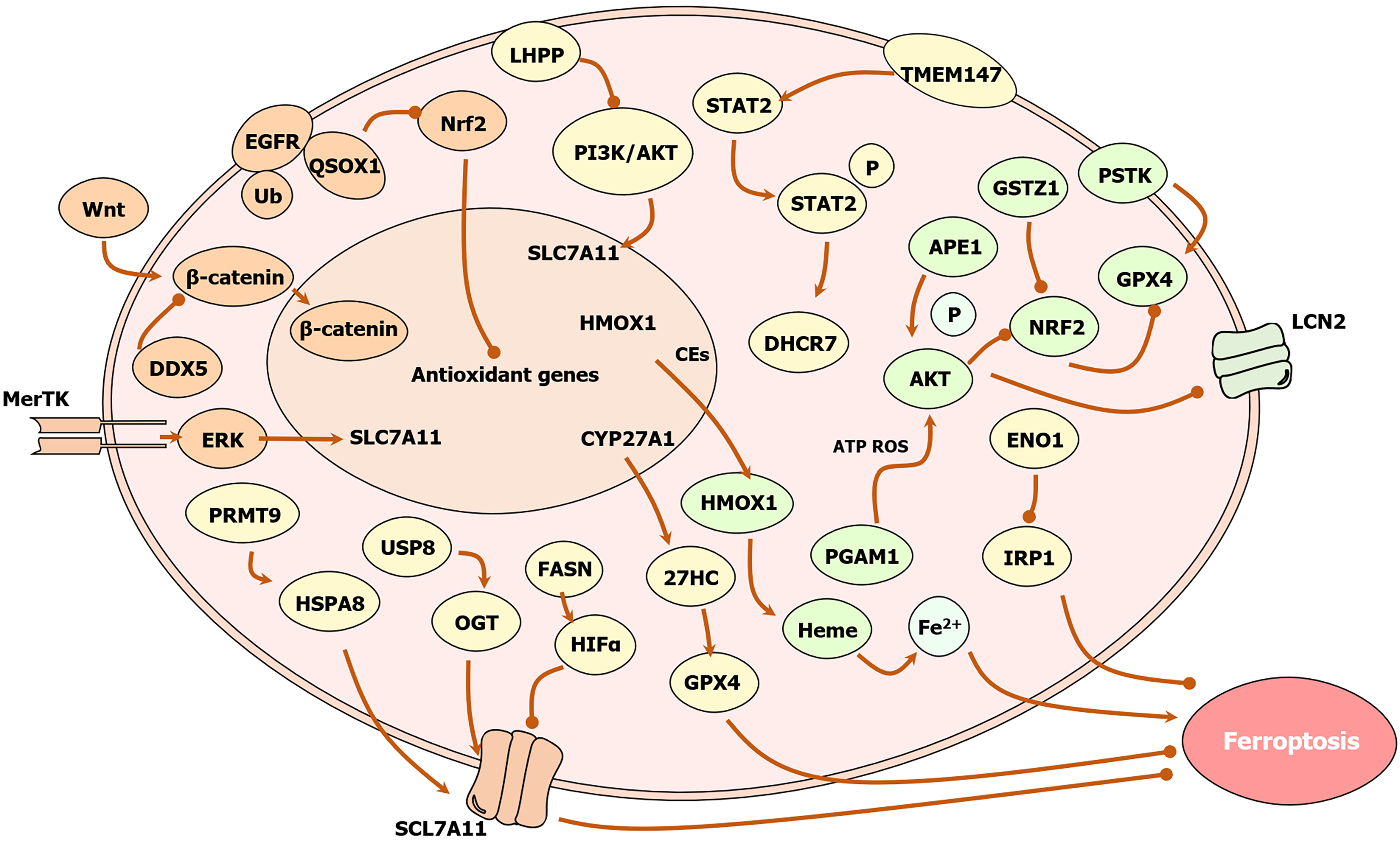
Figure 4 Effect of related enzymes on iron death in hepatocellular carcinoma cells.
Phosphoglycerate mutase 1 inhibits ferroptosis through an energy stress/reactive oxygen species (ROS)-dependent protein kinase B (AKT)/Lipid carrier protein 2 pathway; nicotinamide methyltransferase inhibits ferroptosis via the multifunctional microneedle array/ROS axis; lysine-specific demethylase 4 inhibits ferroptosis via the murine double minute 2/P53/SLC7A11/glutathione peroxidase 4 (GPX4) axis; 7-dehydrocholesterol reductase inhibits ferroptosis through the TMEM147/signal transducer and activator of transcription 2/7-dehydrocholesterol reductase/27HC axis; ubiquitin-specific peptidase 8 (USP8) inhibits ferroptosis through the USP8/O-GlcNAc transferase/SLC7A11 signaling pathway and the Wnt/β-catenin/GPX4 axis; protein arginine methyltransferase 9 inhibits ferroptosis through the hepatitis B virus X protein/protein arginine methyltransferase 9/heat shock protein A8/CD44 axis; α-enolase 1 inhibits ferroptosis through the α-enolase 1-iron regulatory protein 1-Mfrn1 pathway; apurinic/apyrimidinic endonuclease 1 inhibits ferroptosis through the AKT/glycogen synthase kinase-3β/nuclear factor erythroid 2-related factor 2 (Nrf2)/SLC7A11/GPX4 axis; phospho-serine acyl-tRNA kinase inhibits ferroptosis through the thioredoxin reductase/thioredoxin/glutathione/GPX4 pathway; inhibits ferroptosis; dual-specific phosphatase 4 inhibits ferroptosis via the YTHDC1/FTL/ferritin heavy chain 1/Lipid ROS pathway; MER proto-oncogene tyrosine kinase inhibits ferroptosis via the extracellular signal-regulated kinase/SP1/SLC7A11 pathway; ubiquitin C-terminal hydrolase L3 inhibits ferroptosis via the Ub-proteasome/Wnt/β-catenin/GPX4 pathway; aldehyde reductase 1C3 inhibits ferroptosis via the Hippo/YAP/TAZ/SLC7A11 pathway to inhibit ferroptosis; the deubiquitinating enzyme EIF3H inhibits ferroptosis via the O-GlcNAc transferase/Lipid ROS/glutathione pathway; the USP24 promotes ferroptosis via the K48/Beclin1/ferroportin pathway promotes ferroptosis; lysine phosphatase promotes ferroptosis via the lysine phosphatase/phosphatidylinositol-3-kinase/AKT pathway; quiescin sulfhydryl oxidase 1 promotes ferroptosis via the epidermal growth factor receptor/Nrf2/GPX4 pathway; RNA helicase DDX5 promotes ferroptosis via the Wnt/β-catenin/GPX4 signaling pathway to promote ferroptosis; glutathione S-transferase zeta 1 promotes ferroptosis via the Kelch-like ECH-associated protein 1/Nrf2/GPX4 pathway; fatty acid synthase promotes ferroptosis via the fatty acid synthase/hypoxia-inducible factor-1α/SLC7A11 pathway; heme oxygenase 1 promotes ferroptosis through the Nrf2/heme oxygenase 1/GPX4 axis; flavin monooxygenase 3 promotes ferroptosis through the flavin monooxygenase 3/trimethylamine N-oxide/signal transducer and activator of transcription 3/SLC7A11/GPX4 axis. LHPP: Lysine phosphatase; EGFR: Epidermal growth factor receptor; QSOX1: Quiescin sulfhydryl oxidase 1; Nrf2: Nuclear factor erythroid 2-related factor 2; PI3K: Phosphoinositol-3-kinase; AKT: Protein kinase B; STAT2: Signal transducer and activator of transcription 2; GSTZ1: Glutathione S-transferase zeta 1; PSTK: Phospho-serine acyl-tRNA kinase; APE1: Apurinic/apyrimidinic endonuclease 1; MerTK: MER proto-oncogene tyrosine kinase; HMOX1: Heme oxygenase 1; CEs: Cholesterol esters; DHCR7: 7-dehydrocholesterol reductase; GPX4: Glutathione peroxidase 4; LCN2: Lipid carrier protein 2; ERK: Extracellular signal-regulated kinase; ROS: Reactive oxygen species; PRMT9: Protein arginine methyltransferase 9; USP8: Ubiquitin-specific peptidase 8; ENO1: Α-enolase 1; HSPA8: Heat shock protein A8; OGT: O-GlcNAc transferase; FASN: Fatty acid synthase; HIFα: Hypoxia-inducible factor-α; PGAM1: Phosphoglycerate mutase-1; IRP1: Iron regulatory protein 1.
- Citation: Han JF, Jia ZY, Fan X, Zhao XY, Cheng LY, Xia YX, Ji XR, Zang WQ. Mechanisms of ferroptosis in primary hepatocellular carcinoma and progress of artificial intelligence-based predictive modeling in hepatocellular carcinoma. World J Gastroenterol 2025; 31(41): 111174
- URL: https://www.wjgnet.com/1007-9327/full/v31/i41/111174.htm
- DOI: https://dx.doi.org/10.3748/wjg.v31.i41.111174