
















©The Author(s) 2025.
World J Gastroenterol. Oct 28, 2025; 31(40): 111307
Published online Oct 28, 2025. doi: 10.3748/wjg.v31.i40.111307
Published online Oct 28, 2025. doi: 10.3748/wjg.v31.i40.111307
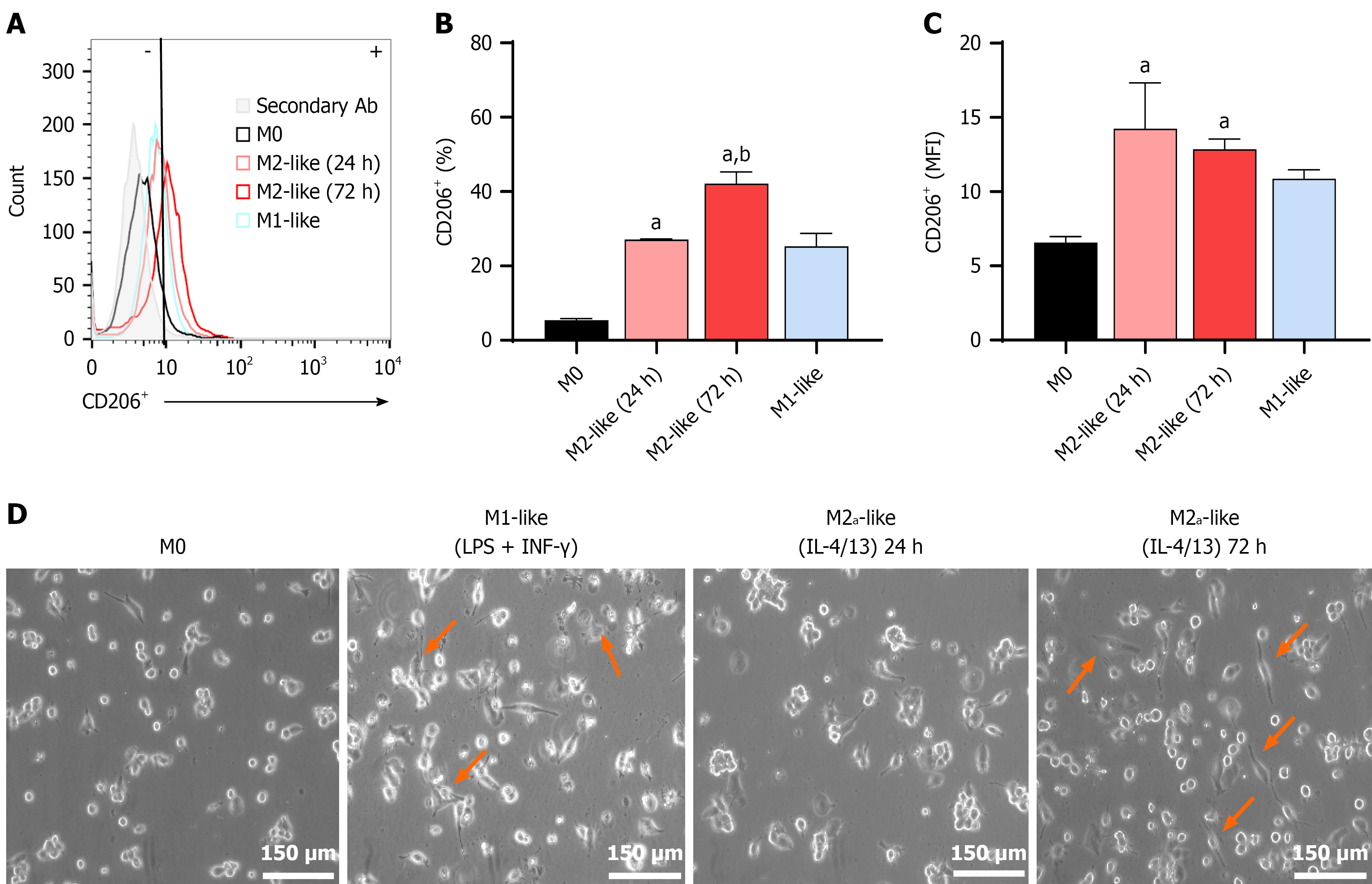
Figure 2 The anti-inflammatory stimulus acquires M2-like macrophage polarization.
A: Fluorescence histogram of the expression of the cluster of differentiation 206 (CD206) marker obtained by flow cytometry; B: Percentage of CD206+ cells in IL-4/IL-13-treated macrophages (M2-like); C: Represents the mean fluorescent intensity of the CD206+ subset; D: Macrophage morphology under the different treatments, orange arrows show specific morphology. Images are representative of at least three independent experiments. Scale bars: 150 μm (200 ×, original magnification). Each column represents the mean ± SEM of at least three independent experiments. aP ≤ 0.05 vs M0; bP ≤ 0.05 vs M2-like (24 hours). CD206: Cluster of differentiation 206; MFI: Mean fluorescent intensity; LPS: Lipopolysaccharide; IFN: Interferon; IL: Interleukin.
- Citation: Escobedo-Calvario A, Chávez-Rodríguez L, Souza-Arroyo V, Bucio-Ortiz L, Miranda-Labra RU, Masso F, Páez-Arenas A, Hernández-Pando R, Marquardt J, Gutiérrez-Ruiz MC, Gomez-Quiroz LE. Growth differentiation factor 11 modulates metabolism, mitigating the pro-tumoral behavior provided by M2-like macrophages in hepatocellular carcinoma-derived cells. World J Gastroenterol 2025; 31(40): 111307
- URL: https://www.wjgnet.com/1007-9327/full/v31/i40/111307.htm
- DOI: https://dx.doi.org/10.3748/wjg.v31.i40.111307