
















©The Author(s) 2025.
World J Gastroenterol. Oct 21, 2025; 31(39): 110971
Published online Oct 21, 2025. doi: 10.3748/wjg.v31.i39.110971
Published online Oct 21, 2025. doi: 10.3748/wjg.v31.i39.110971
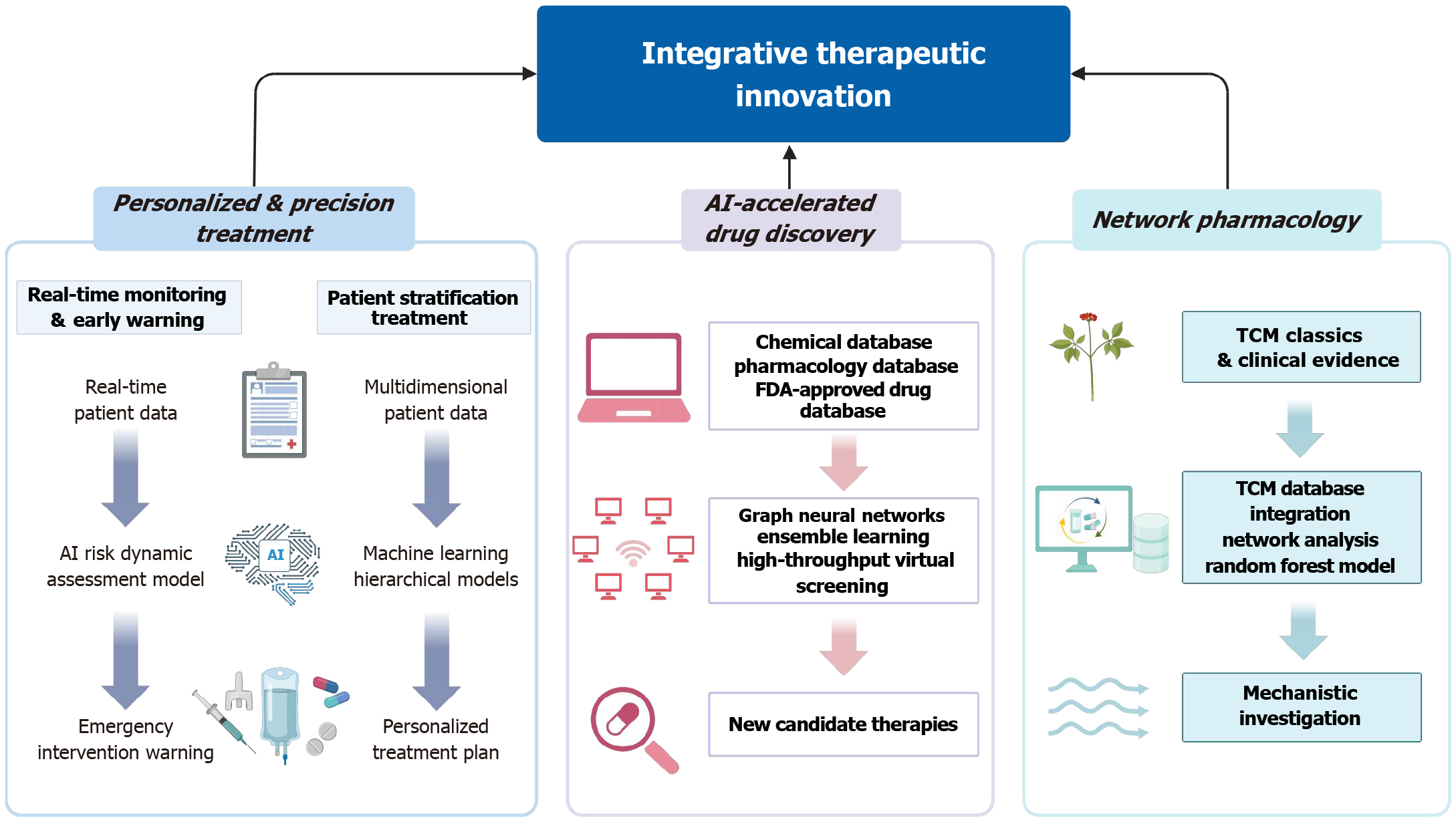
Figure 3 Artificial intelligence-driven strategies for therapeutic innovation in pancreatitis.
Artificial intelligence (AI) facilitates precision treatment through clinical decision support systems that integrate multimodal patient data to optimize resuscitation, nutritional support, pain management, and intensive care unit triage. Machine learning algorithms dynamically update risk profiles and stratify patients to guide individualized interventions. AI is also accelerating drug discovery and repositioning by enabling high-throughput screening of chemical libraries, predicting compound-target interactions, and identifying repurposable agents with anti-inflammatory or antifibrotic potential. Additionally, network pharmacology approaches powered by AI are uncovering bioactive compounds and mechanistic targets within traditional Chinese medicine formulations, bridging empirical practices with molecular pharmacology. These integrative frameworks represent a paradigm shift in pancreatitis care, offering data-driven insights into both modern and traditional therapeutic avenues. AI: Artificial intelligence; FDA: Food and Drug Administration; TCM: Traditional Chinese medicine.
- Citation: Zhang XY, Hu MD, Maimaitijiang D, Wang T, Wang L. Artificial intelligence in pancreatitis: A narrative review on advancing precision diagnosis, prognosis, and therapeutic strategies. World J Gastroenterol 2025; 31(39): 110971
- URL: https://www.wjgnet.com/1007-9327/full/v31/i39/110971.htm
- DOI: https://dx.doi.org/10.3748/wjg.v31.i39.110971