
















©The Author(s) 2025.
World J Gastroenterol. Oct 7, 2025; 31(37): 111914
Published online Oct 7, 2025. doi: 10.3748/wjg.v31.i37.111914
Published online Oct 7, 2025. doi: 10.3748/wjg.v31.i37.111914
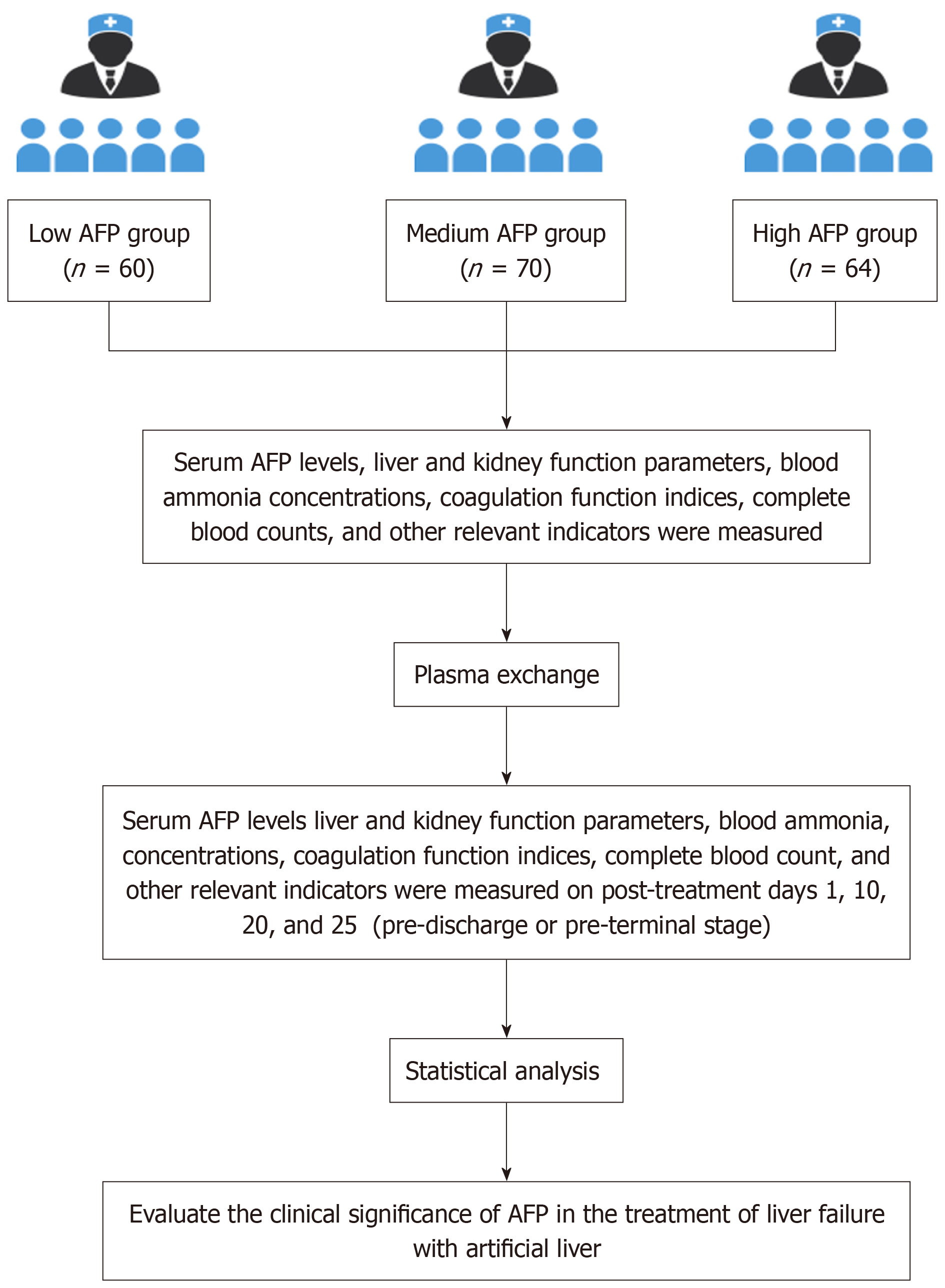
Figure 1 Retrospective study design flowchart.
This figure outlines the design of a retrospective study investigating the clinical significance of alpha-fetoprotein (AFP) in the treatment of liver failure with artificial liver. Patients were stratified into three groups based on serum AFP levels: Low AFP group (n = 60), medium AFP group (n = 70), and high AFP group (n = 64). Baseline measurements included serum AFP levels, liver and kidney function parameters, blood ammonia concentrations, coagulation function indices, complete blood counts, and other relevant indicators. Following plasma exchange treatment, these indicators were reassessed on post-treatment days 1, 10, 20 and 25 points (pre-discharge or pre-terminal stage). AFP: Alpha-fetoprotein.
- Citation: Guo WB, Wang LY, Guo XJ, Yang J, Li W, Shen FY, Li YT, Yang JH, Tai WL. Prognostic value of serum alpha-fetoprotein kinetics in liver failure on artificial liver support. World J Gastroenterol 2025; 31(37): 111914
- URL: https://www.wjgnet.com/1007-9327/full/v31/i37/111914.htm
- DOI: https://dx.doi.org/10.3748/wjg.v31.i37.111914