
















©The Author(s) 2025.
World J Gastroenterol. Oct 7, 2025; 31(37): 111435
Published online Oct 7, 2025. doi: 10.3748/wjg.v31.i37.111435
Published online Oct 7, 2025. doi: 10.3748/wjg.v31.i37.111435
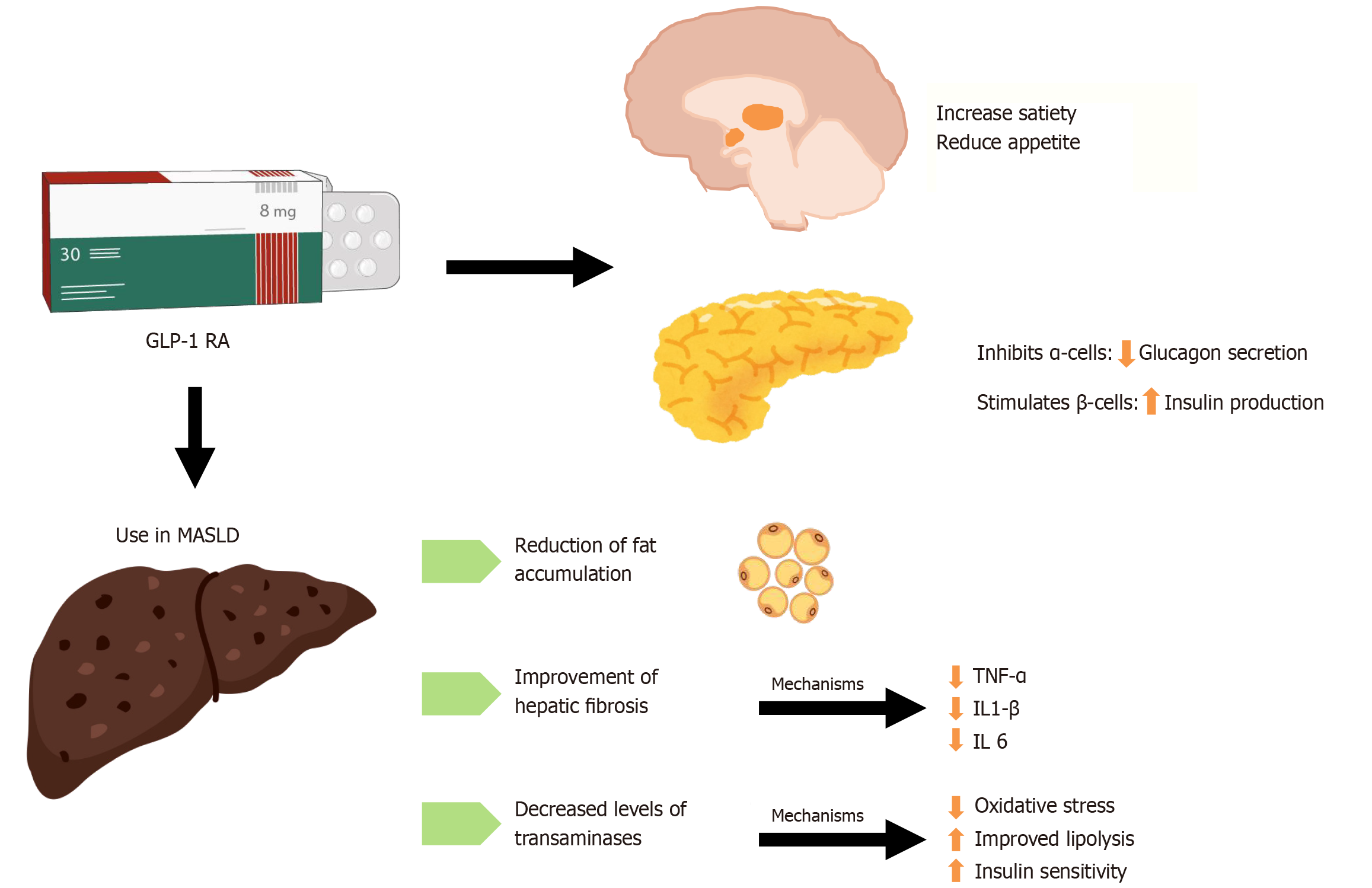
Figure 4 Mechanisms of action of glucagon-like peptide-1 receptor agonists.
Glucagon-like peptide-1 receptor agonists exert their effects by acting on the hypothalamus to increase satiety and reduce appetite, delaying gastric emptying, stimulating insulin secretion from pancreatic β-cells, and suppressing glucagon release from α-cells. These mechanisms contribute to improved glycemic control and reduced hepatic steatosis. Image adapted from Servier Medical ART (https://smart.servier.com/), licensed under CC BY 4.0 (https://creativecommons.org/Licenses/by/4.0/). GLP-1 RA: Glucagon-like peptide-1 receptor agonists; MASLD: Metabolic dysfunction-associated steatotic liver disease; TNF: Tumor necrosis factor; IL: Interleukin.
- Citation: Concepción-Zavaleta MJ, Fuentes-Mendoza JM, Gonzáles-Yovera JG, Ruvalcaba-Barbosa GY, Cura-Rodríguez LD, González-Rodríguez JS, Concepción-Urteaga LA, Pérez-Reyes AI, Quiroz-Aldave JE, Paz-Ibarra J. Efficacy and safety of anti-obesity drugs in metabolic dysfunction-associated steatotic liver disease: An updated review. World J Gastroenterol 2025; 31(37): 111435
- URL: https://www.wjgnet.com/1007-9327/full/v31/i37/111435.htm
- DOI: https://dx.doi.org/10.3748/wjg.v31.i37.111435