
















©The Author(s) 2025.
World J Gastroenterol. Oct 7, 2025; 31(37): 111038
Published online Oct 7, 2025. doi: 10.3748/wjg.v31.i37.111038
Published online Oct 7, 2025. doi: 10.3748/wjg.v31.i37.111038
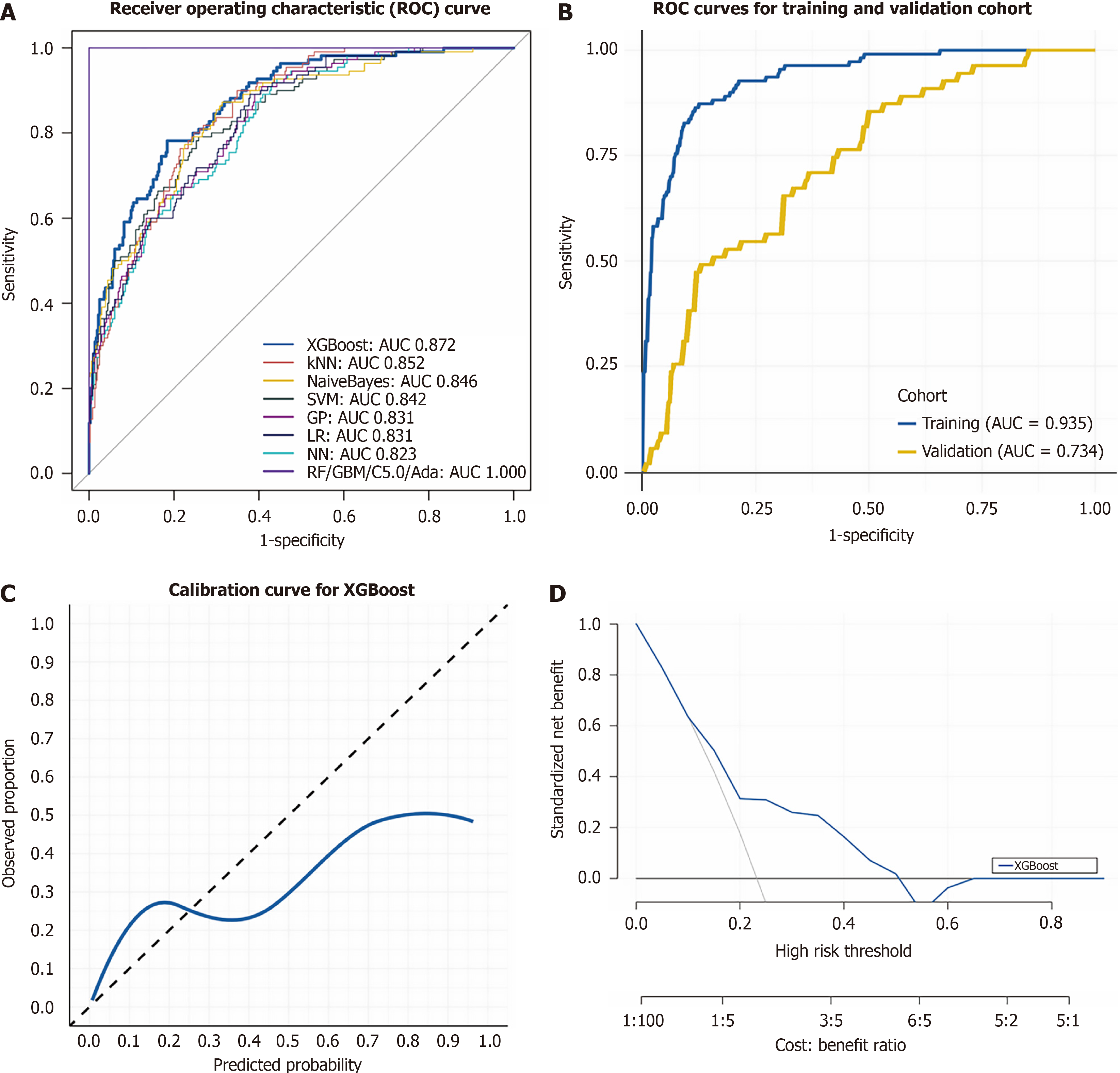
Figure 2 Model performance and validation.
A: Receiver operating characteristic (ROC) curves of 11 machine learning models; B: ROC curves of the eXtreme Gradient Boosting (XGBoost) model on the training and validation sets after parameter optimization; C: Calibration curve of the XGBoost model, showing consistency between predicted probabilities and observed proportions; D: Decision Curve Analysis of the XGBoost model, demonstrating net clinical benefit. ROC: Receiver operating characteristic; XGBoost: EXtreme Gradient Boosting; DCA: Decision curve analysis; kNN: K-Nearest Neighbors; SVM: Support Vector Machine; GP: Gaussian Process; LR: Logistic Regression; MN: Neural Network; RF: Random Forest; GBM: Gradient Boosting Machine; C5.0: C5.0 Decision Tree; Ada: AdaBoost.
- Citation: Zhu DL, Tulahong A, Liu C, Aierken A, Tan W, Ruze R, Yuan ZD, Yin L, Jiang TM, Lin RY, Shao YM, Aji T. Identification of key factors and explainability analysis for surgical decision-making in hepatic alveolar echinococcosis assisted by machine learning. World J Gastroenterol 2025; 31(37): 111038
- URL: https://www.wjgnet.com/1007-9327/full/v31/i37/111038.htm
- DOI: https://dx.doi.org/10.3748/wjg.v31.i37.111038