
















©The Author(s) 2025.
World J Gastroenterol. Sep 7, 2025; 31(33): 108872
Published online Sep 7, 2025. doi: 10.3748/wjg.v31.i33.108872
Published online Sep 7, 2025. doi: 10.3748/wjg.v31.i33.108872
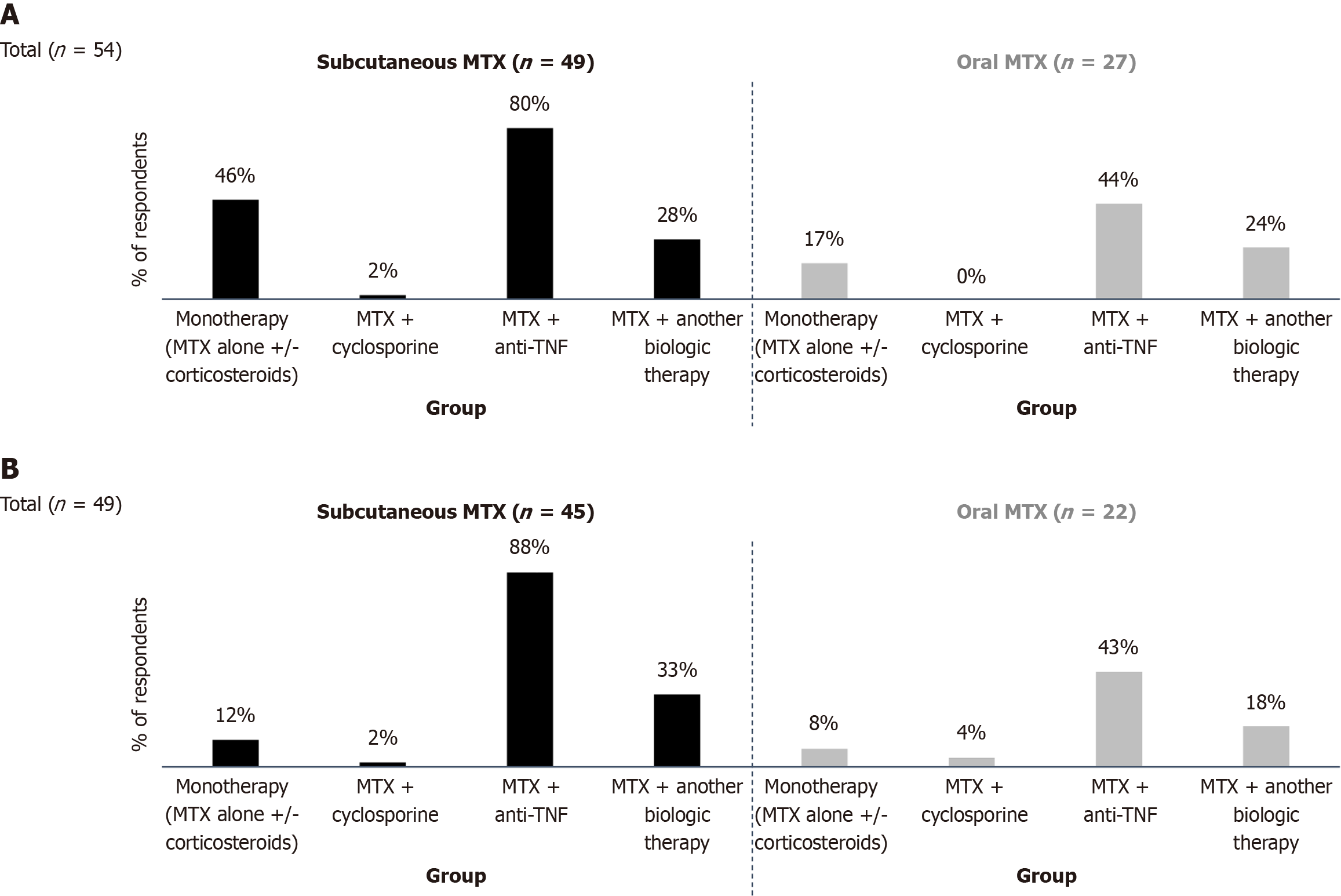
Figure 2 Methotrexate formulations used in Crohn’s disease.
A: Distribution of methotrexate formulations prescribed for mild to moderate Crohn’s disease (CD); B: Formulations used for severe CD. Respondents answered the question: “Do you use methotrexate in oral or subcutaneous form to treat your patients with mild to moderate/severe forms of CD?”. Results show preferences for oral vs subcutaneous formulations in different disease severities. Multiple answers were allowed. Mild CD: CD activity index (CDAI) score between 150 and 220, Harvey-Bradshaw index (HBI) score between 4 and 8. Patients were typically managed in an outpatient setting, exhibited no significant dietary impairment, had weight loss < 10%, and showed no clinical signs of obstruction, fever, dehydration, abdominal mass, or abdominal tenderness. C-reactive protein (CRP) levels were generally elevated above the upper limit of normal; Moderate CD: CDAI score between 220 and 450 or an HBI score between 8 and 12. These patients presented with intermittent vomiting or weight loss > 10%, had inadequate response to minimal treatment for flares, or a tender abdominal mass. There were no overt signs of bowel obstruction. CRP levels were typically elevated above the normal range; Severe CD: CDAI score > 450, HBI > 12, cachexia (body mass index < 18 kg/m2) or obvious obstruction or abscess, persistent symptoms despite intensive treatment, elevated CRP. MTX: Methotrexate; TNF: Tumor necrosis factor.
- Citation: Bonnaud G, Becker J, Chebbah M, Courbeyrette A, Faure P. Methotrexate in the management of Crohn’s disease: A practice survey of gastroenterologists in France. World J Gastroenterol 2025; 31(33): 108872
- URL: https://www.wjgnet.com/1007-9327/full/v31/i33/108872.htm
- DOI: https://dx.doi.org/10.3748/wjg.v31.i33.108872