
















©The Author(s) 2025.
World J Gastroenterol. Jul 28, 2025; 31(28): 108297
Published online Jul 28, 2025. doi: 10.3748/wjg.v31.i28.108297
Published online Jul 28, 2025. doi: 10.3748/wjg.v31.i28.108297
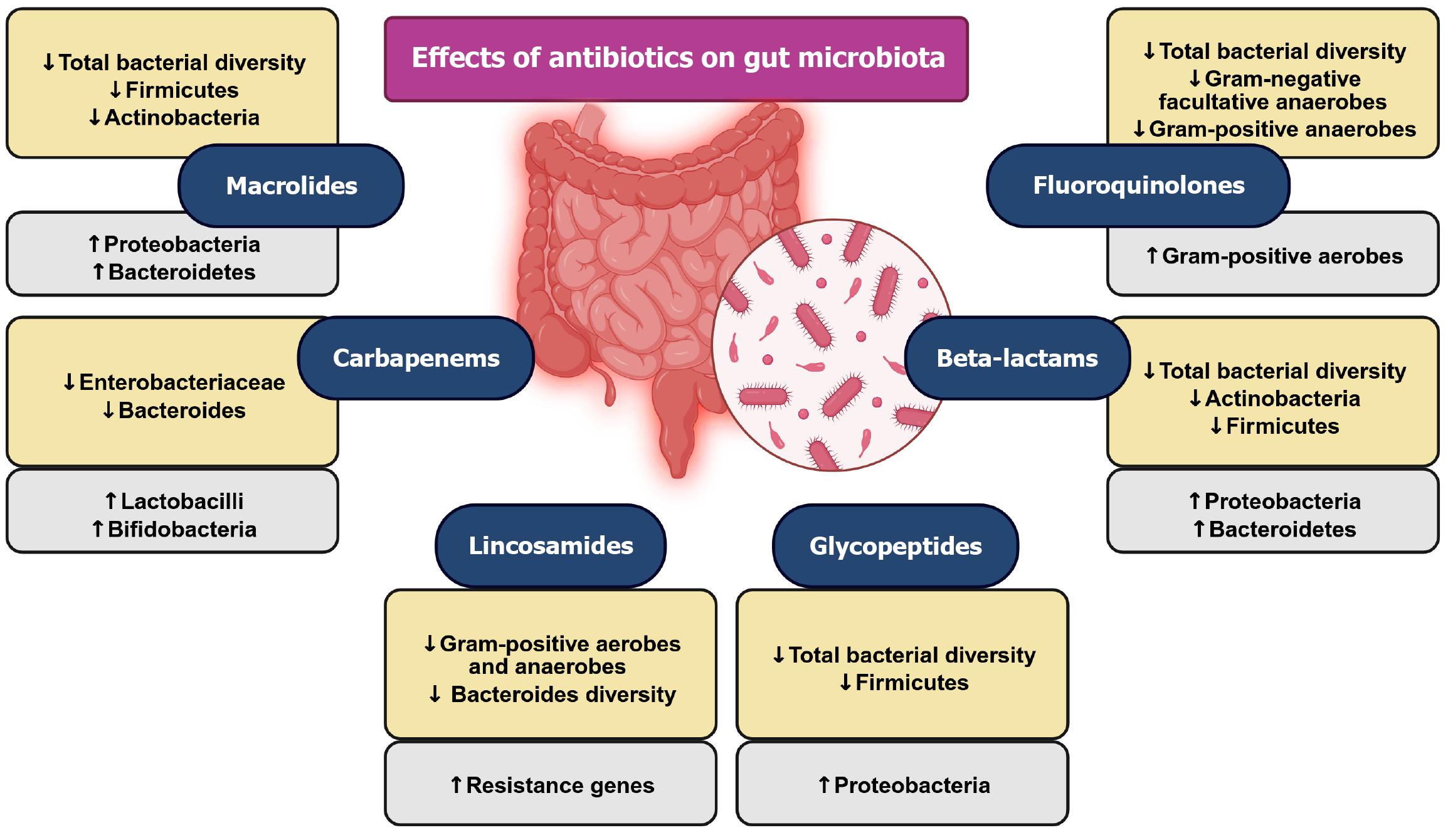
Figure 5 Schematic representations of the effects of antibiotics on gut microbiota.
This figure highlights the profound effects of antibiotics on gut microbiota composition and diversity. It emphasizes that antibiotic use disrupts the gut microbiome, potentially leading to long-term health consequences such as inflammation, metabolic disorders, and antibiotic resistance. In detail, most antibiotics reduce total bacterial diversity, often leading to microbial imbalances (dysbiosis). Several antibiotic classes, including macrolides, beta-lactams, and glycopeptides, promote an increase in Proteobacteria, which is associated with gut inflammation and dysbiosis. Many antibiotics, such as macrolides, beta-lactams, and glycopeptides, significantly reduce Firmicutes and Actinobacteria, which play a crucial role in gut homeostasis. While some antibiotics, like carbapenems and lincosamides, reduce Bacteroidetes diversity, others like macrolides promote their growth. While carbapenems decrease Enterobacteriaceae, they increase Lactobacilli, showing a mixed impact on gut flora.
- Citation: Skok K, Vihar B, Maver U, Gradišnik L, Bräutigam K, Trapecar M, Skok P. Gastrointestinal tract, its pathophysiology and in-vitro models: A “quick” reference guide to translational studies. World J Gastroenterol 2025; 31(28): 108297
- URL: https://www.wjgnet.com/1007-9327/full/v31/i28/108297.htm
- DOI: https://dx.doi.org/10.3748/wjg.v31.i28.108297