
















©The Author(s) 2016.
World J Gastroenterol. Aug 21, 2016; 22(31): 7017-7029
Published online Aug 21, 2016. doi: 10.3748/wjg.v22.i31.7017
Published online Aug 21, 2016. doi: 10.3748/wjg.v22.i31.7017
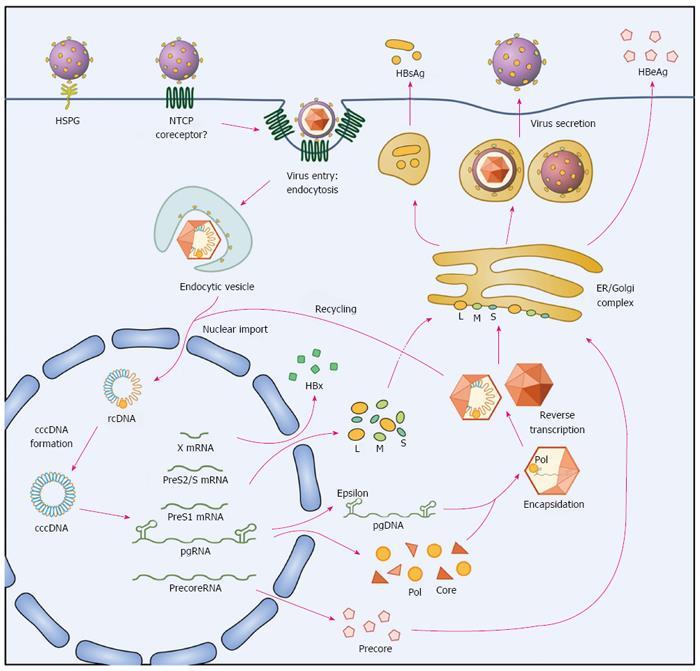
Figure 1 The life cycle of hepatitis B virus.
Hepatitis B virus (HBV) binds to the surface receptor NTCP and enters hepatocytes, and its genome is released into the nucleus. The relaxed circular HBV genome (rcDNA) is repaired and forms covalently closed circular DNA (cccDNA), which serves as a template for the transcription of viral mRNAs (pregenomic (pg), precore, HBx, PreS1, and PreS2/S RNA). The HBV mRNAs are translated into the large (L), middle (M), and small (S) surface, precore, core, polymerase (pol), and HBx proteins. pgRNA and pol are encapsidated into the capsid, and viral DNA is reverse-transcribed. Assembled HBV virions are secreted from hepatocytes.
- Citation: Kim DH, Kang HS, Kim KH. Roles of hepatocyte nuclear factors in hepatitis B virus infection. World J Gastroenterol 2016; 22(31): 7017-7029
- URL: https://www.wjgnet.com/1007-9327/full/v22/i31/7017.htm
- DOI: https://dx.doi.org/10.3748/wjg.v22.i31.7017