
















Copyright: ©Author(s) 2026.
Artif Intell Gastroenterol. Nov 8, 2026; 7(3): 125000
Published online Nov 8, 2026. doi: 10.35712/aig.125000
Published online Nov 8, 2026. doi: 10.35712/aig.125000
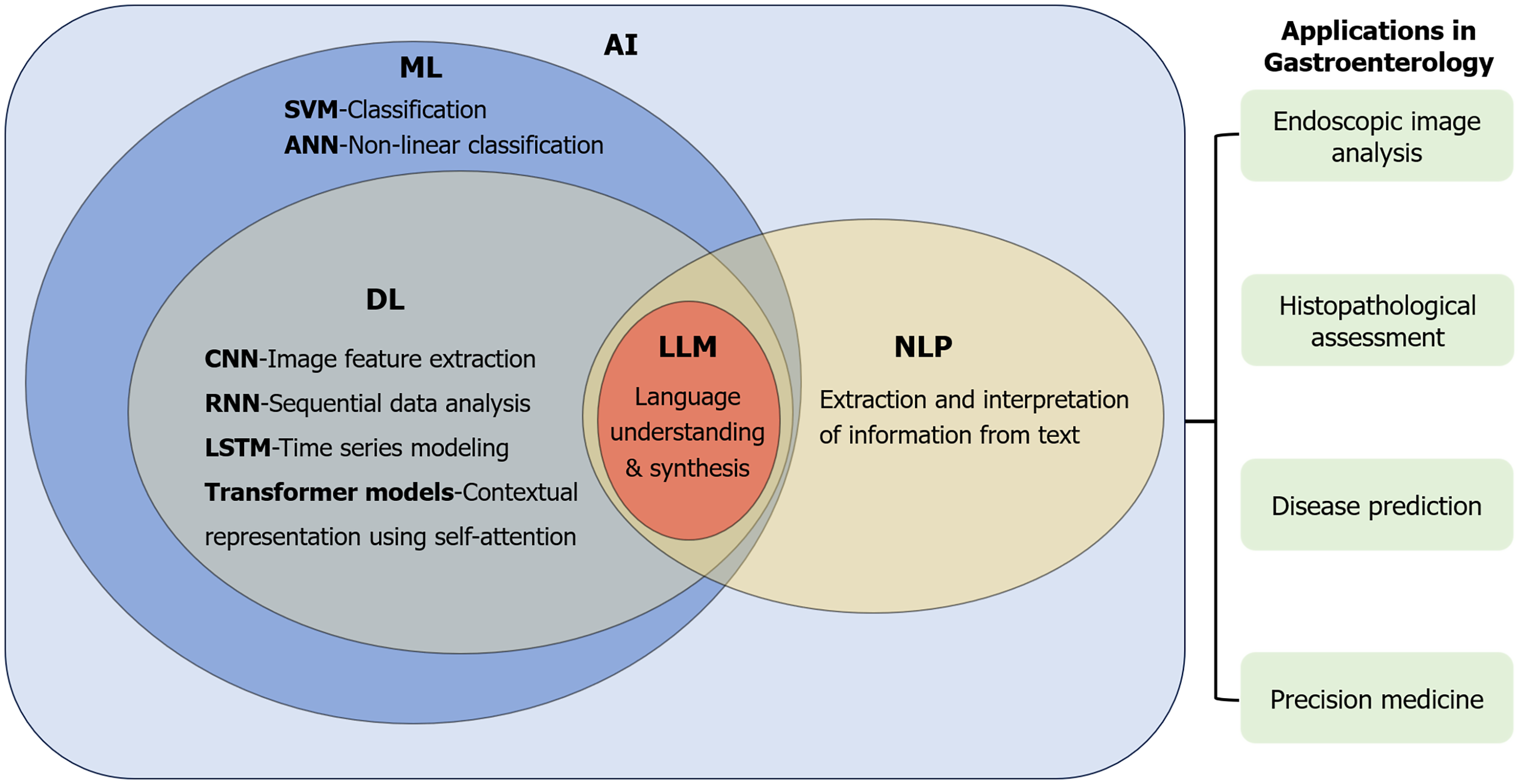
Figure 1 Overview of key artificial intelligence technologies and their applications in gastroenterology.
AI: Artificial intelligence; ML: Machine learning; SVM: Support vector machine; ANN: Artificial neural network; DL: Deep learning; CNN: Convolutional neural network; RNN: Recurrent neural network; LSTM: Long short-term memory; LLM: Large language model; NLP: Natural language processing.
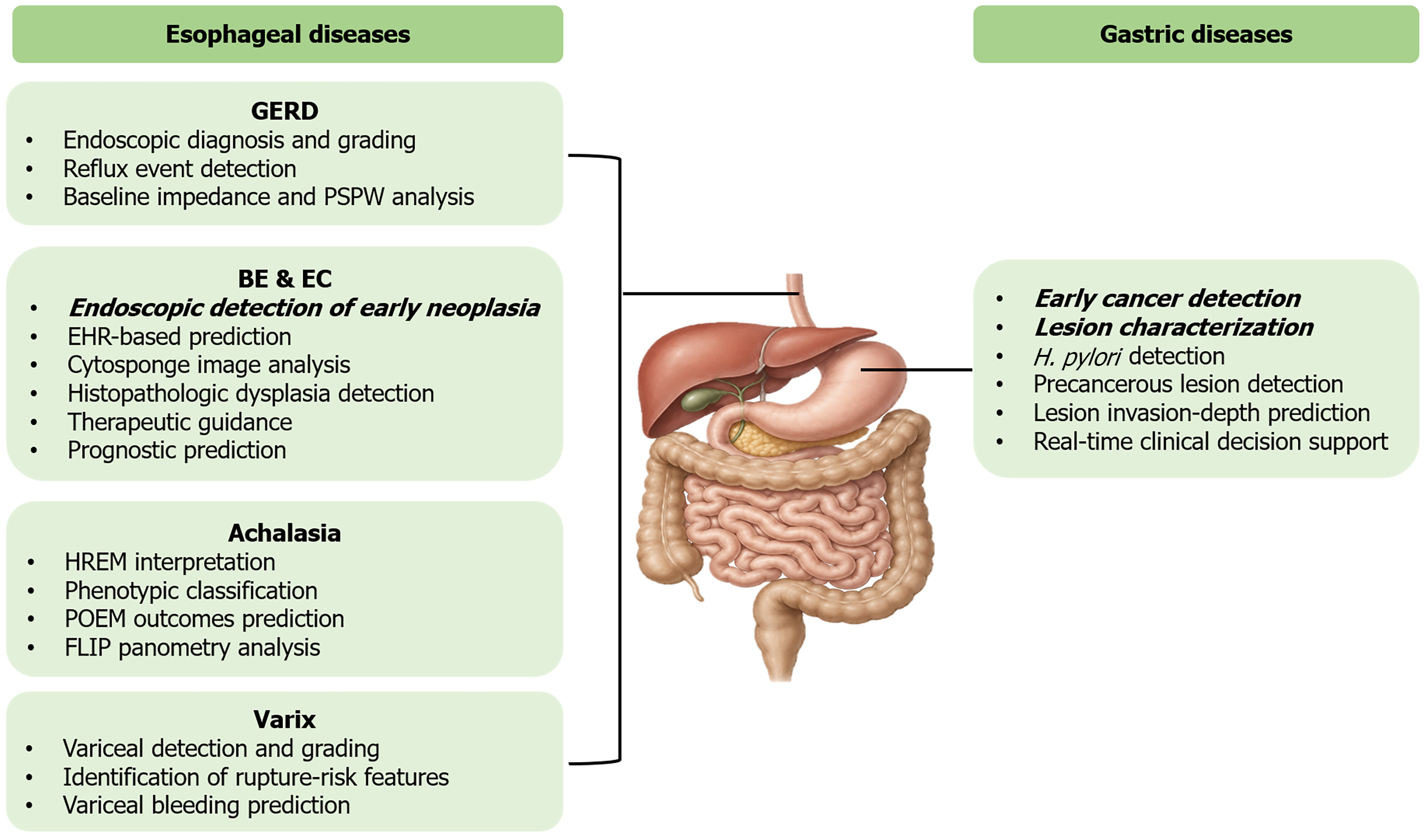
Figure 2 Key studied and emerging applications of artificial intelligence in esophageal and gastric diseases: A conceptual summary.
Bold and italic text indicates artificial intelligence applications supported by the strongest available clinical evidence. GERD: Gastroesophageal reflux disease; PSPW: Postreflux swallow-induced peristaltic wave; BE: Barrett’s esophagus; EC: Esophageal cancer; EHR: Electronic health record; POEM: Peroral endoscopic myotomy; FLIP: Functional luminal imaging probe; HREM: High-resolution esophageal manometry; H. pylori: Helicobacter pylori.
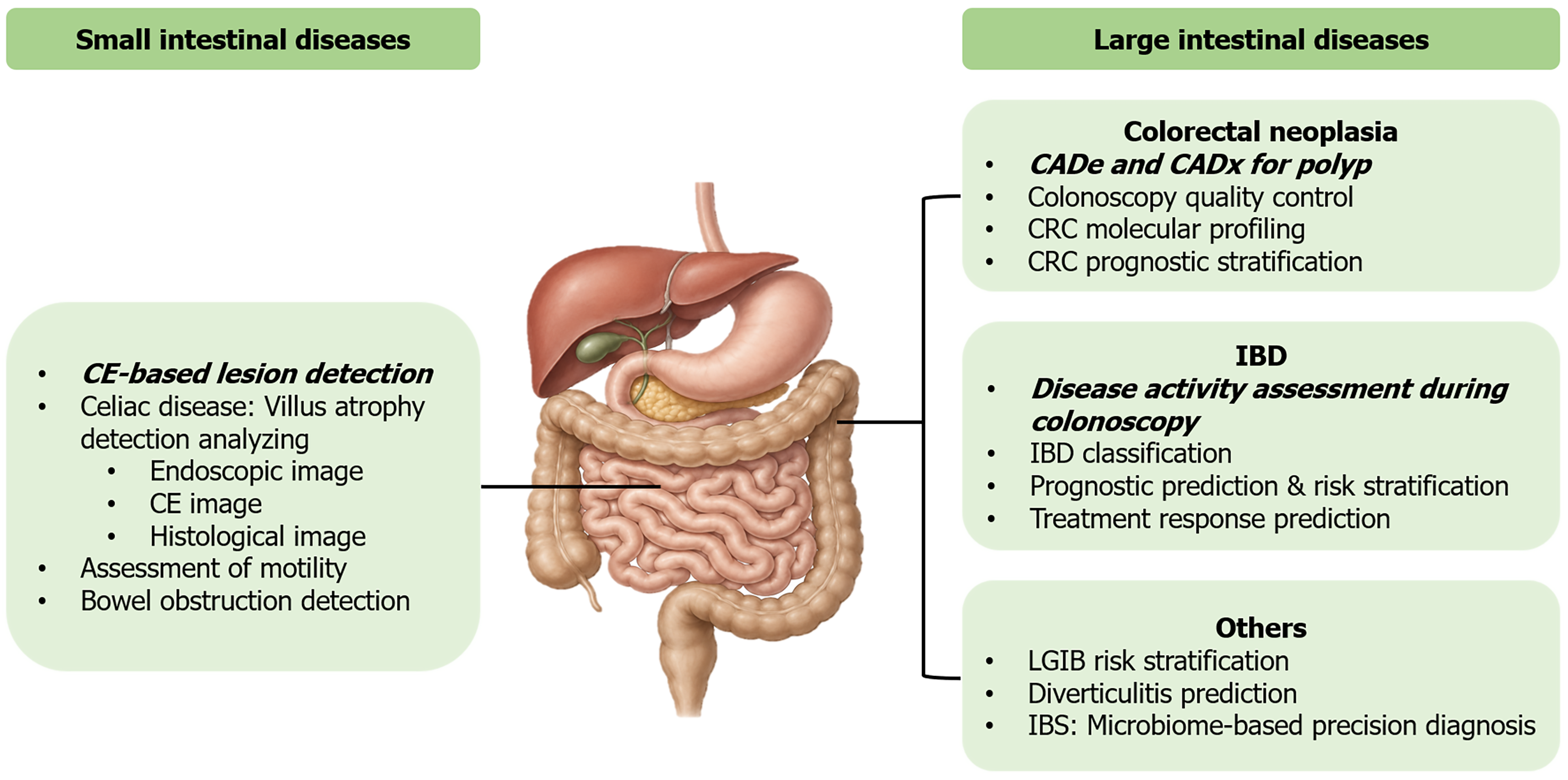
Figure 3 Key studied and emerging applications of artificial intelligence in small and large intestinal diseases: A conceptual summary.
Bold and italic text indicates artificial intelligence applications supported by the strongest available clinical evidence. CE: Capsule endoscopy; CADe: Computer-aided detection; CADx: Computer-aided diagnosis; CRC: Colorectal cancer; IBD: Inflammatory bowel disease; IBS: Irritable bowel syndrome; LGIB: Lower gastrointestinal bleeding.
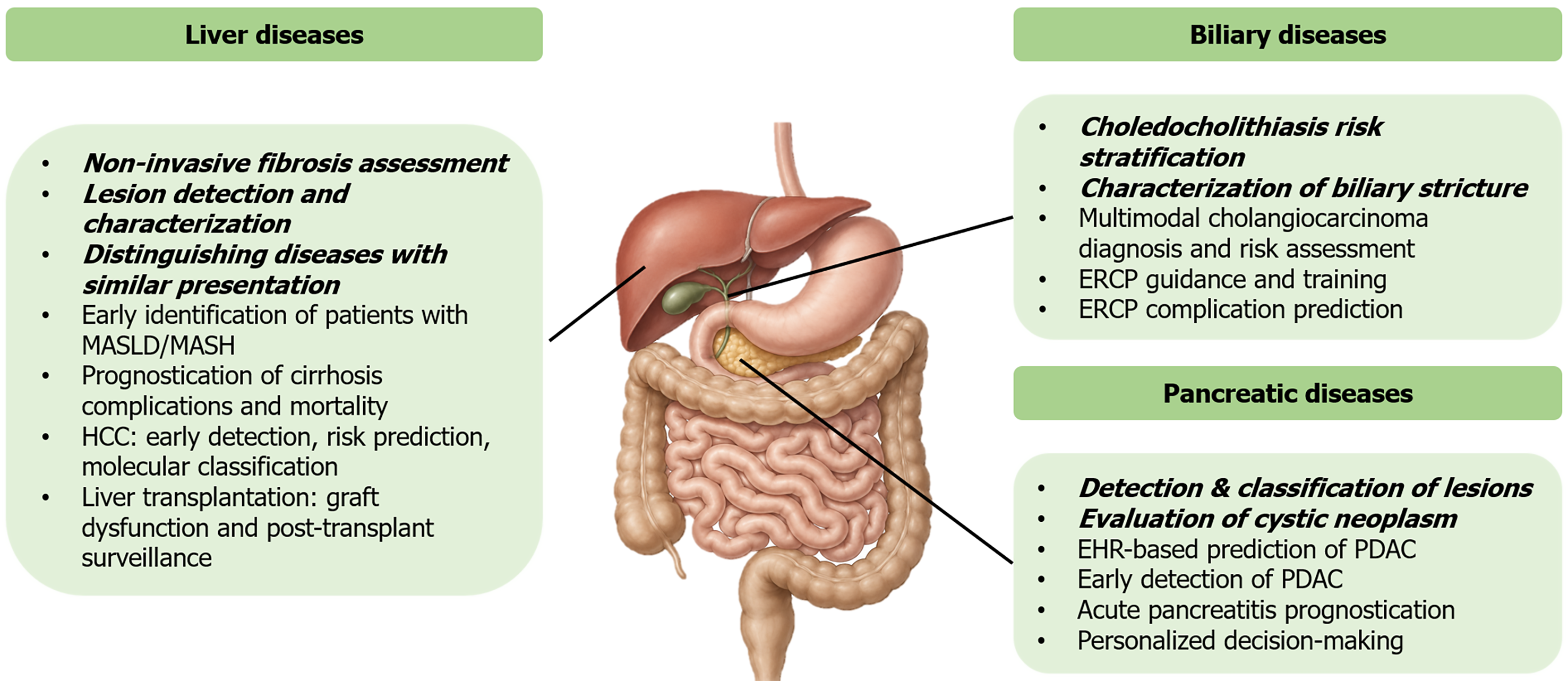
Figure 4 Key studied and emerging applications of artificial intelligence in pancreatic, biliary, and liver diseases: A conceptual summary.
Bold and italic text indicates artificial intelligence applications supported by the strongest available clinical evidence. MASLD: Metabolic dysfunction-associated steatotic liver disease; MASH: Metabolic dysfunction-associated steatohepatitis; HCC: Hepatocellular carcinoma; ERCP: Endoscopic retrograde cholangio
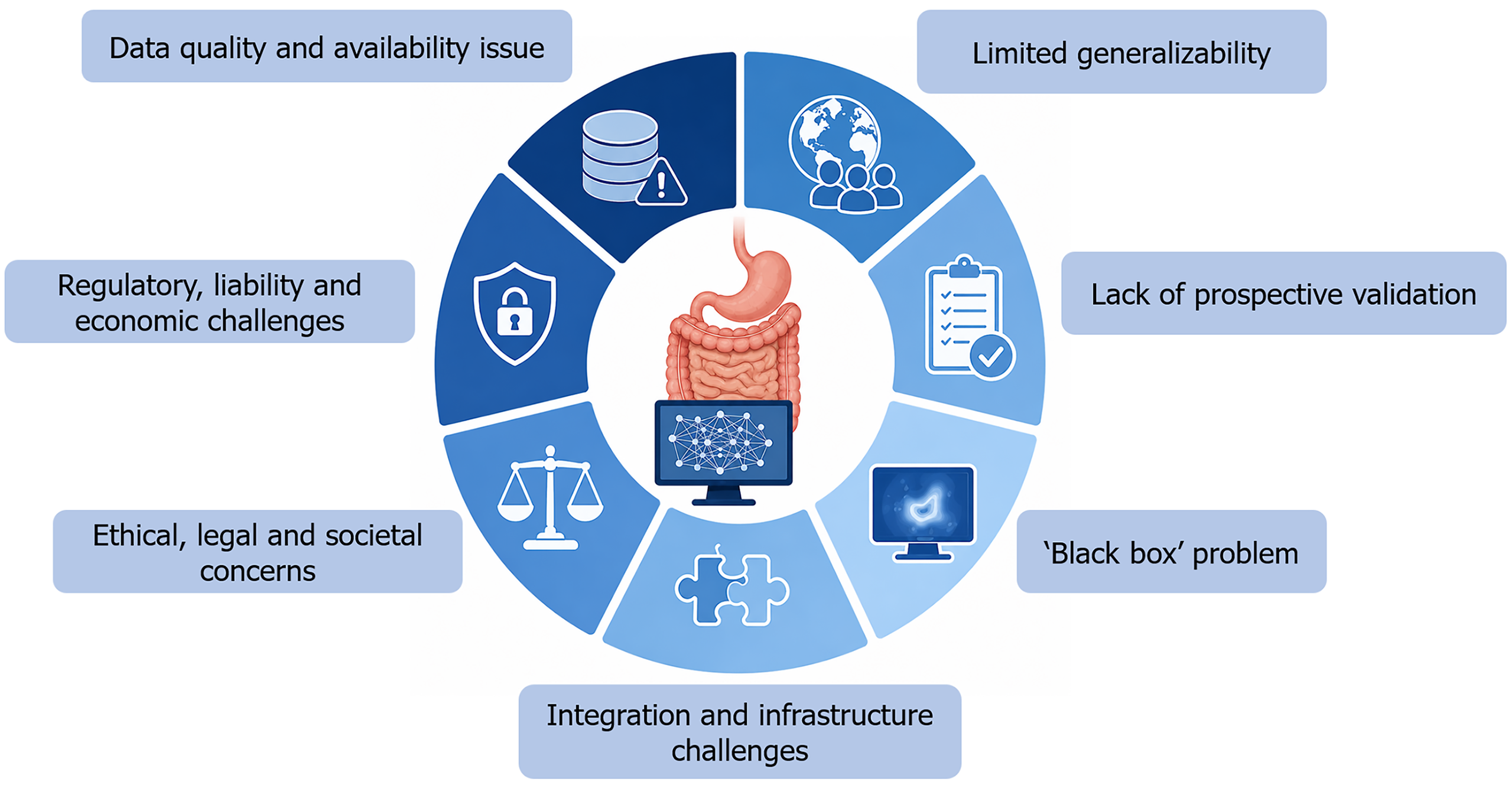
Figure 5 Key limitations and challenges of artificial intelligence in gastroenterology.
- Citation: Roy SK, Samanta A, Banerjee A. Artificial intelligence in gastroenterology practice: Current perspectives and emerging prospects. Artif Intell Gastroenterol 2026; 7(3): 125000
- URL: https://www.wjgnet.com/2644-3236/full/v7/i3/125000.htm
- DOI: https://dx.doi.org/10.35712/aig.125000