
















Copyright: ©Author(s) 2026.
World J Clin Cases. Sep 26, 2026; 14(27): 126704
Published online Sep 26, 2026. doi: 10.12998/wjcc.126704
Published online Sep 26, 2026. doi: 10.12998/wjcc.126704
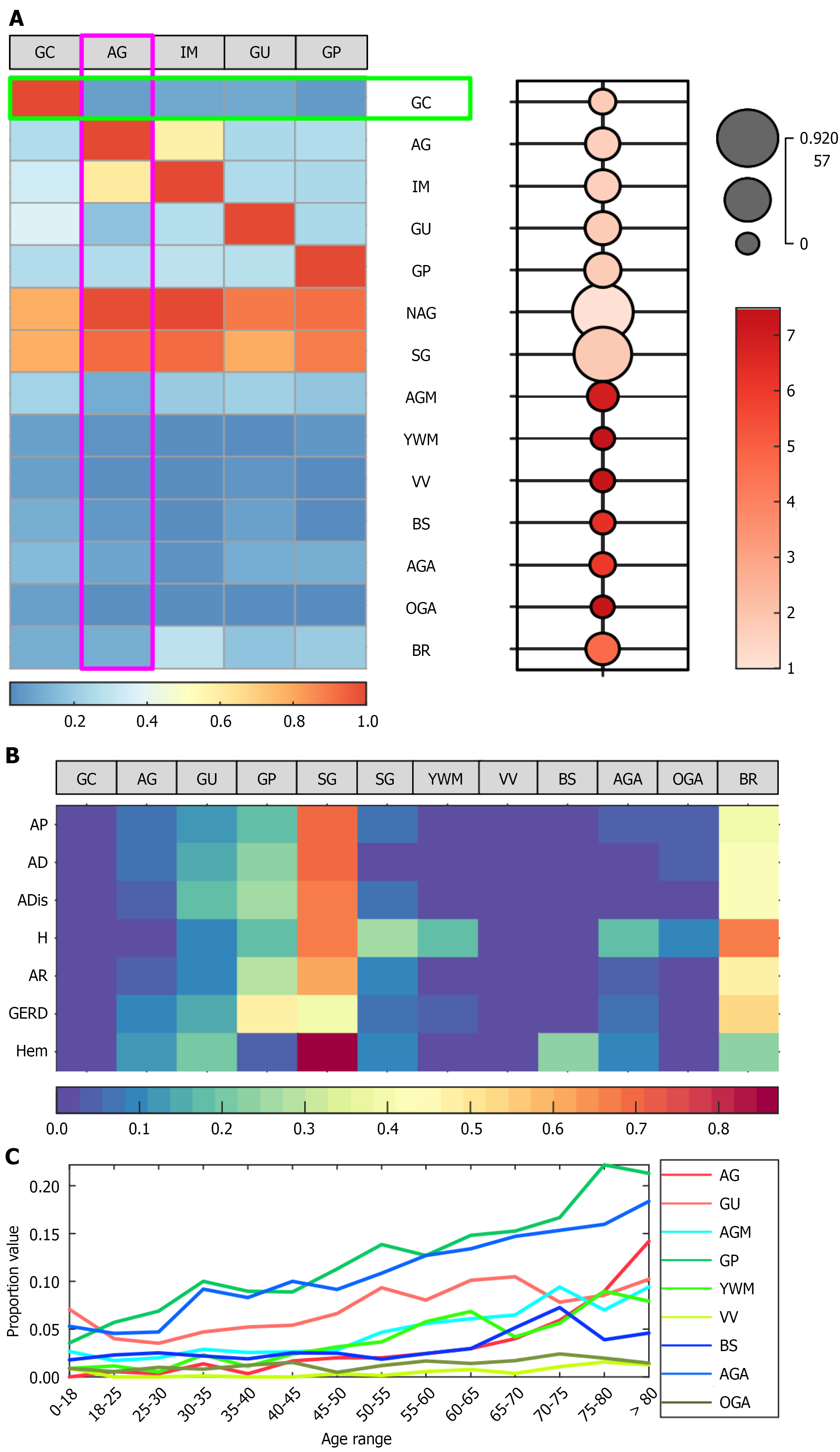
Figure 5 Correlation analysis of key features in the magnetically controlled capsule endoscopy dataset.
Comprehensive correlation analyses were performed to investigate the relationships among multimodal features derived from magnetically controlled capsule endoscopy (MCCE) reports. A: Correlation matrix illustrating pairwise associations between core clinical features of high diagnostic significance and other quantitative/qualitative features extracted from MCCE reports, revealing heterogeneous correlation strengths across feature pairs; B: Heatmap depicting the correlation patterns between clinical manifestations/symptoms and endoscopic features in the MCCE dataset; C: Age-related distribution patterns of gastric diseases, demonstrating distinct correlation patterns across different age groups. GC: Gastric cancer; AG: Atrophic gastritis; GU: Gastric ulcer; GP: Gastric polyps; SG: Erosive gastritis; YWM: Yellow-white macules; VV: Varices; BS: Bleeding and scabs; AGA: Abnormal gastric antrum; OGA: Other gastric abnormalities; BR: Bile reflux; AP: Abdominal pain; AD: Abdominal distension; ADis: Abdominal discomfort; H: Heartburn; AR: Acid regurgitation; GERD: Gastroesophageal reflux; Hem: Bleeding.
- Citation: Song YY, Wang CM, Chen ZY, Xu PJ, Zhang J. Deep self-organizing competitive neural network for magnetically controlled capsule endoscopy-based auxiliary diagnosis of clinically significant gastric lesions. World J Clin Cases 2026; 14(27): 126704
- URL: https://www.wjgnet.com/2307-8960/full/v14/i27/126704.htm
- DOI: https://dx.doi.org/10.12998/wjcc.126704