















Copyright: ©Author(s) 2026.
World J Clin Cases. Aug 6, 2026; 14(22): 120669
Published online Aug 6, 2026. doi: 10.12998/wjcc.120669
Published online Aug 6, 2026. doi: 10.12998/wjcc.120669
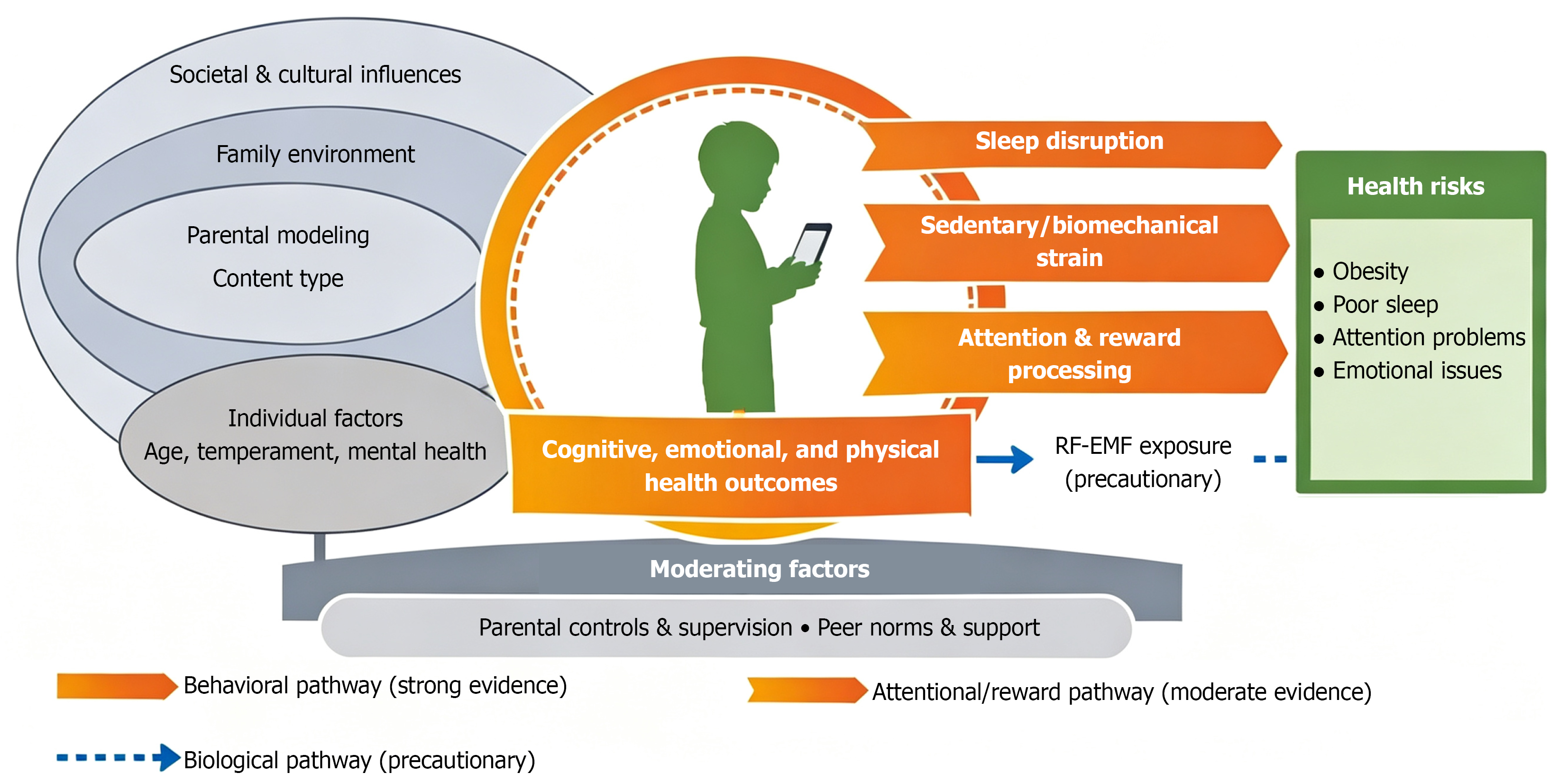
Figure 8 Developmental risk ecology model of smartphone use in children and adolescents.
This conceptual model illustrates the multi-level ecological framework through which smartphone use influences health outcomes in children and adolescents. At the center, the child interacts dynamically with the digital environment, embedded within nested contextual layers including individual characteristics (e.g., age, temperament, mental health), family environment, and broader sociocultural influences. The behavioral pathway (solid arrows) represents the primary mechanism underlying observed health effects. Within this pathway, sleep disruption and sedentary/biomechanical strain (thick arrows) demonstrate the strongest and most consistent empirical support across studies. Attentional and reward-processing mechanisms (medium arrows) reflect a moderate but more heterogeneous evidence base, particularly relevant to cognitive and mental health outcomes. The biological pathway, representing radiofrequency electromagnetic field exposure, is depicted by a dashed arrow to indicate its secondary and precautionary status, given the currently limited and inconclusive longitudinal evidence regarding its health effects. Contextual moderators - including parental modeling, content type, supervision, and peer influences - act as regulatory filters that shape exposure patterns and modify risk trajectories. The model emphasizes that health outcomes emerge from the interaction of behavioral, environmental, and biological processes rather than from exposure alone. RF-EMF: Radiofrequency electromagnetic field.
- Citation: Al-Beltagi M, Saeed NK, Bediwy AS, Elbeltagi YM, Bediwy HA, Elbeltagi R. Smartphone use health outcomes in children and adolescents: A systematic review of behavioral, developmental, and environmental risk pathways. World J Clin Cases 2026; 14(22): 120669
- URL: https://www.wjgnet.com/2307-8960/full/v14/i22/120669.htm
- DOI: https://dx.doi.org/10.12998/wjcc.120669