
















Copyright: ©Author(s) 2026.
World J Clin Cases. Aug 6, 2026; 14(22): 120669
Published online Aug 6, 2026. doi: 10.12998/wjcc.120669
Published online Aug 6, 2026. doi: 10.12998/wjcc.120669
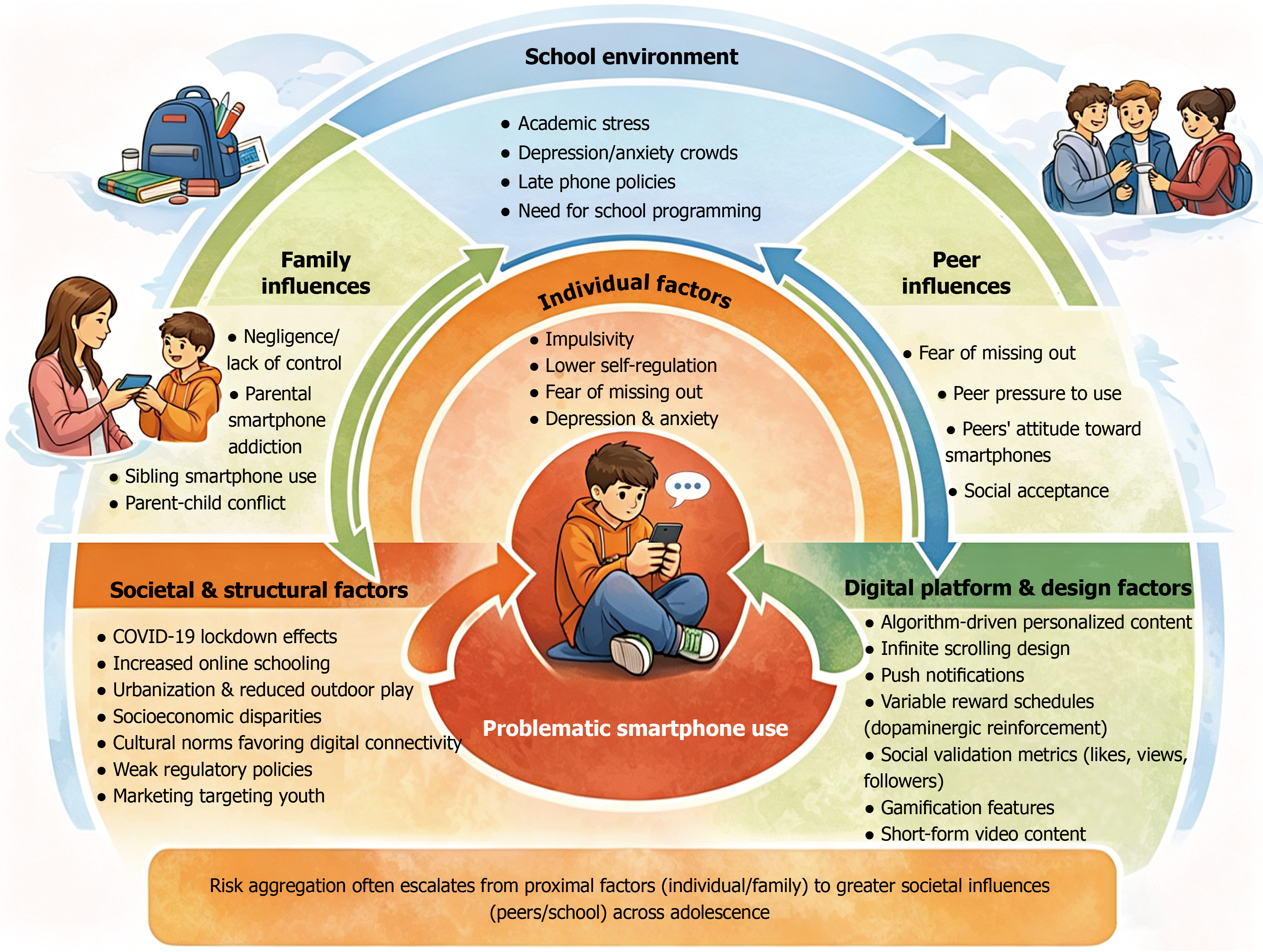
Figure 6 Risk ecology model of problematic smartphone use in children and adolescents.
This concentric ecological framework illustrates six interrelated levels of risk contributing to problematic smartphone use among children and adolescents. At the core are individual factors (biological vulnerabilities, neurodevelopmental traits, emotional dysregulation, and executive function deficits). Surrounding this are behavioral and lifestyle factors, including excessive screen time, nighttime use, gaming, and reduced physical activity. The next layer represents the family and parenting environment, highlighting parental modeling, monitoring practices, and household screen norms. The fourth layer encompasses the peer and school environment, including peer pressure, cyberbullying exposure, academic stress, and fear of missing out. The fifth layer reflects the characteristics of digital platforms, such as algorithmic reinforcement, push notifications, infinite scrolling, and social validation mechanisms. The outermost layer represents societal and structural determinants, including pandemic-related shifts, socioeconomic disparities, urbanization, and regulatory context. Together, these nested systems interact dynamically, increasing vulnerability to problematic smartphone use and mediating downstream health outcomes across mental, sleep, metabolic, musculoskeletal, and neurodevelopmental domains. COVID-19: Coronavirus disease 2019.
- Citation: Al-Beltagi M, Saeed NK, Bediwy AS, Elbeltagi YM, Bediwy HA, Elbeltagi R. Smartphone use health outcomes in children and adolescents: A systematic review of behavioral, developmental, and environmental risk pathways. World J Clin Cases 2026; 14(22): 120669
- URL: https://www.wjgnet.com/2307-8960/full/v14/i22/120669.htm
- DOI: https://dx.doi.org/10.12998/wjcc.120669