
















Copyright: ©Author(s) 2026.
World J Clin Cases. Aug 6, 2026; 14(22): 120669
Published online Aug 6, 2026. doi: 10.12998/wjcc.120669
Published online Aug 6, 2026. doi: 10.12998/wjcc.120669
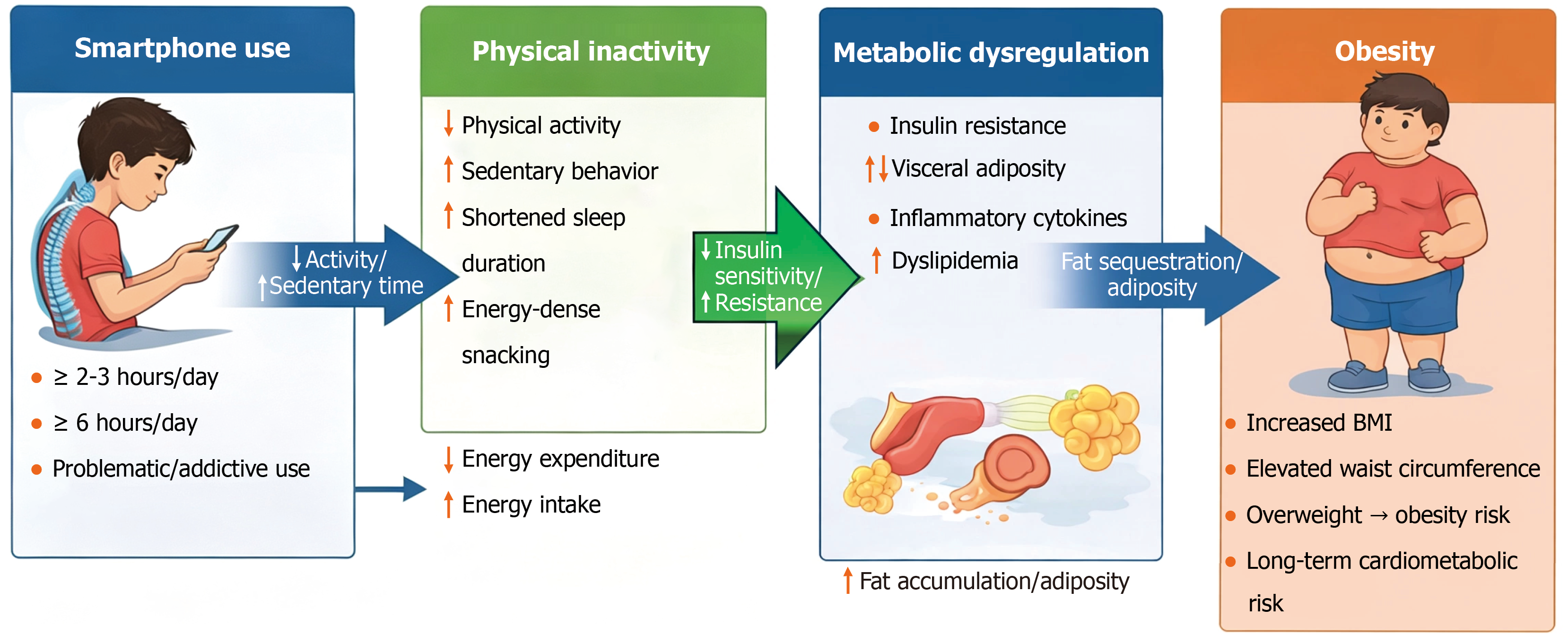
Figure 5 Mechanistic pathway linking excessive smartphone use to childhood obesity.
This conceptual diagram illustrates a sequential pathway whereby excessive smartphone exposure (≥ 2-3 hours/day, ≥ 6 hours/day, or problematic/addictive use) promotes physical inactivity characterized by reduced moderate-to-vigorous physical activity, increased sedentary behavior, shortened sleep duration, and increased energy-dense snacking. These behavioral shifts result in positive energy balance (↑ energy intake, ↓ energy expenditure), contributing to metabolic dysregulation, including insulin resistance, visceral adiposity, systemic low-grade inflammation, and dyslipidemia. Sustained metabolic alterations promote adipose tissue accumulation, increased body mass index and waist circumference, and progression to overweight and obesity, ultimately elevating long-term cardiometabolic risk. BMI: Body mass index.
- Citation: Al-Beltagi M, Saeed NK, Bediwy AS, Elbeltagi YM, Bediwy HA, Elbeltagi R. Smartphone use health outcomes in children and adolescents: A systematic review of behavioral, developmental, and environmental risk pathways. World J Clin Cases 2026; 14(22): 120669
- URL: https://www.wjgnet.com/2307-8960/full/v14/i22/120669.htm
- DOI: https://dx.doi.org/10.12998/wjcc.120669