
















Copyright: ©Author(s) 2026.
World J Clin Cases. Aug 6, 2026; 14(22): 120669
Published online Aug 6, 2026. doi: 10.12998/wjcc.120669
Published online Aug 6, 2026. doi: 10.12998/wjcc.120669
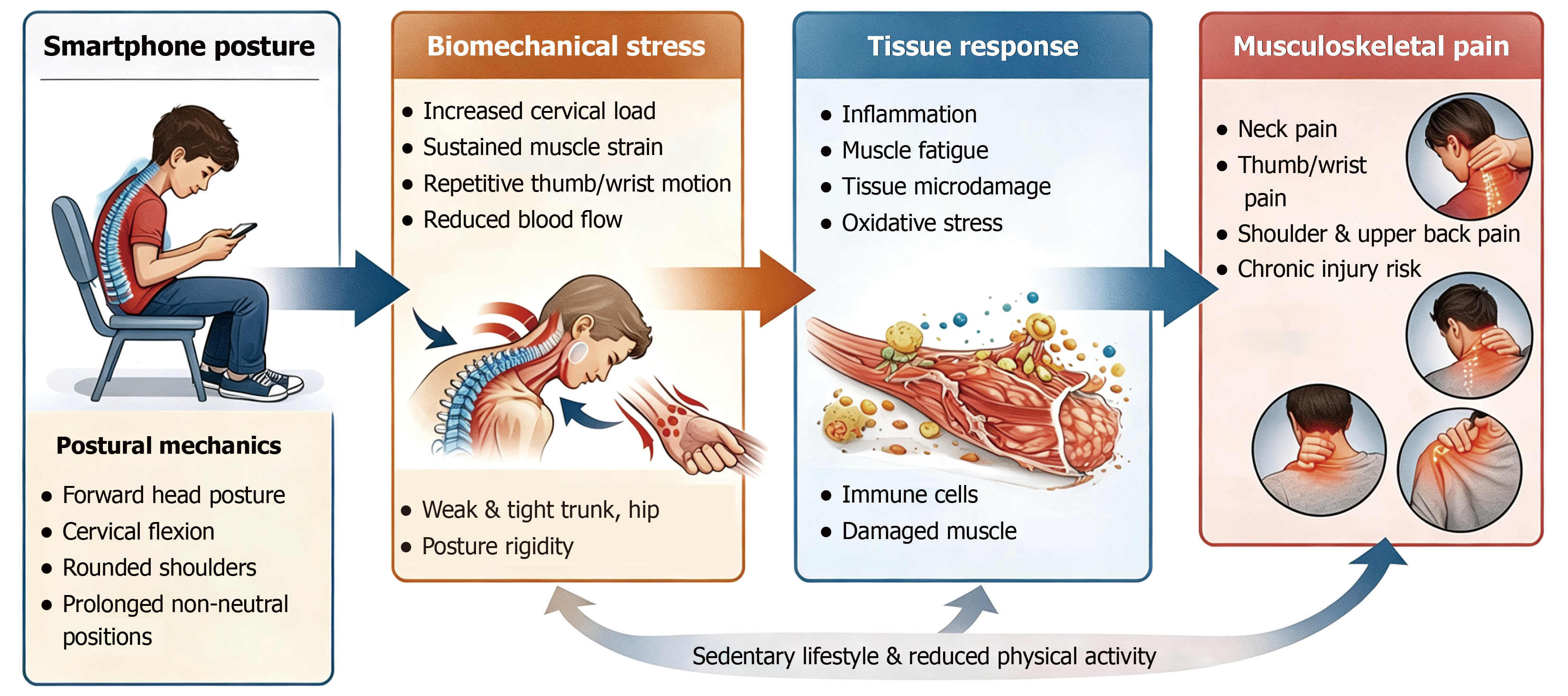
Figure 4 Mechanistic pathway linking smartphone posture to musculoskeletal pain in children and adolescents.
This conceptual diagram illustrates the proposed mechanistic cascade linking prolonged smartphone posture to musculoskeletal pain in pediatric populations. The pathway begins with postural mechanics, including forward head posture, sustained cervical flexion, rounded shoulders, and prolonged non-neutral positioning during smartphone use. These maladaptive postures increase biomechanical stress, characterized by elevated cervical spine loading, sustained paraspinal muscle strain, repetitive thumb and wrist movements, and reduced regional blood flow. Chronic biomechanical loading leads to downstream tissue responses, including muscle fatigue, inflammatory activation, microstructural tissue damage, and oxidative stress. These biological processes may involve altered local perfusion, immune cell activation, and impaired tissue remodeling. The cumulative effect manifests clinically as musculoskeletal pain syndromes, including neck pain (“text neck”), shoulder and upper back pain, thumb/wrist overuse symptoms, and increased risk of chronic musculoskeletal dysfunction. The diagram also highlights the reinforcing role of sedentary behavior and reduced physical activity, which may exacerbate biomechanical strain and delay recovery. This framework integrates ergonomic, epidemiological, and emerging biomarker evidence, providing biological plausibility for the association between smartphone exposure and musculoskeletal complaints in children and adolescents.
- Citation: Al-Beltagi M, Saeed NK, Bediwy AS, Elbeltagi YM, Bediwy HA, Elbeltagi R. Smartphone use health outcomes in children and adolescents: A systematic review of behavioral, developmental, and environmental risk pathways. World J Clin Cases 2026; 14(22): 120669
- URL: https://www.wjgnet.com/2307-8960/full/v14/i22/120669.htm
- DOI: https://dx.doi.org/10.12998/wjcc.120669