
















Copyright: ©Author(s) 2026.
World J Clin Cases. Aug 6, 2026; 14(22): 120669
Published online Aug 6, 2026. doi: 10.12998/wjcc.120669
Published online Aug 6, 2026. doi: 10.12998/wjcc.120669
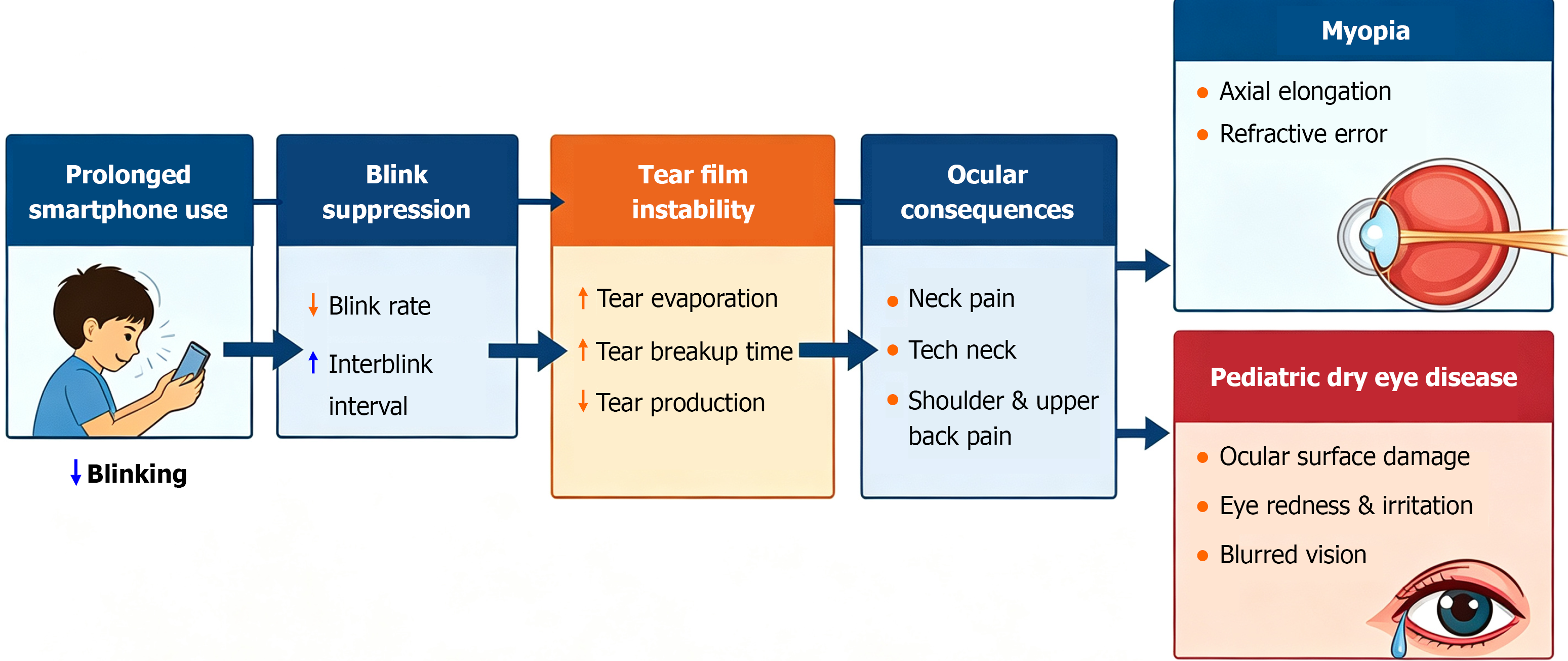
Figure 3 Mechanistic pathways linking prolonged smartphone use to ocular outcomes in children.
This figure illustrates the proposed pathophysiological mechanisms through which prolonged smartphone use contributes to ocular surface disease, myopia progression, and associated musculoskeletal symptoms in children and adolescents. Sustained near work during smartphone use reduces blink rate and increases interblink interval, leading to blink suppression. This, in turn, disrupts tear film homeostasis, causing tear film instability characterized by increased tear evaporation, reduced tear production, and shortened tear break-up time. These ocular surface alterations contribute to pediatric dry eye disease, manifesting as ocular surface damage, irritation, redness, and blurred vision. Concurrently, prolonged near viewing and accommodative demand may promote axial elongation and refractive error, contributing to the development and progression of myopia. In parallel, sustained smartphone use - often in flexed cervical posture (“tech neck”) - is associated with musculoskeletal consequences, including neck pain, shoulder discomfort, and upper back pain. The model highlights the interconnected effects of visual strain and biomechanical stress on posture, emphasizing the multifactorial nature of smartphone-related health outcomes in the pediatric population.
- Citation: Al-Beltagi M, Saeed NK, Bediwy AS, Elbeltagi YM, Bediwy HA, Elbeltagi R. Smartphone use health outcomes in children and adolescents: A systematic review of behavioral, developmental, and environmental risk pathways. World J Clin Cases 2026; 14(22): 120669
- URL: https://www.wjgnet.com/2307-8960/full/v14/i22/120669.htm
- DOI: https://dx.doi.org/10.12998/wjcc.120669