
















Copyright: ©Author(s) 2026.
World J Clin Cases. Jul 6, 2026; 14(19): 120233
Published online Jul 6, 2026. doi: 10.12998/wjcc.120233
Published online Jul 6, 2026. doi: 10.12998/wjcc.120233
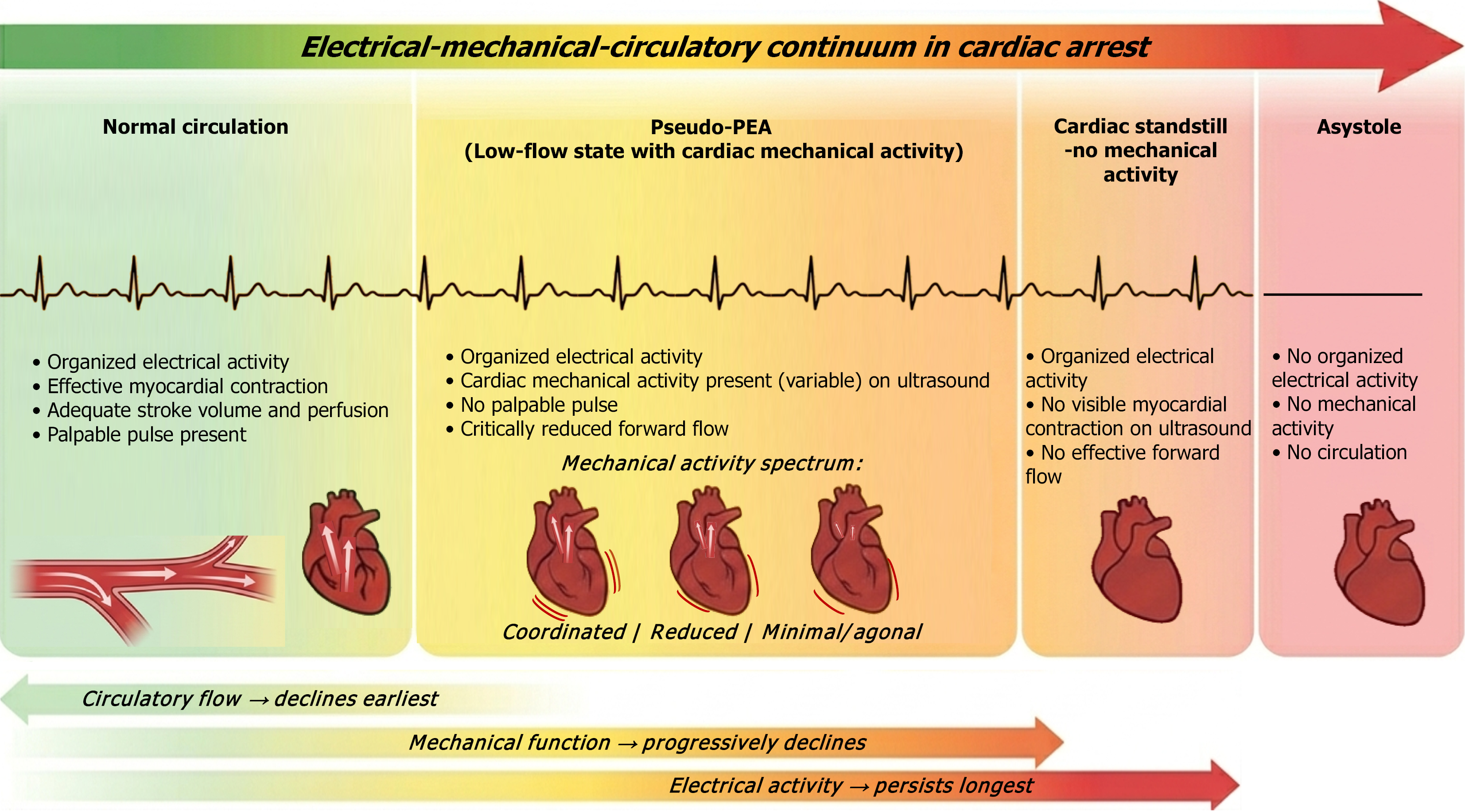
Figure 1 Electrical-mechanical-circulatory continuum in cardiac arrest.
Schematic illustrating the relationship among electrical activity, myocardial contraction, and effective circulatory flow. Circulatory flow declines earliest, followed by mechanical function, while electrical activity persists longest. Pseudo-pulseless electrical activity is represented as a low-flow state with preserved electrical activity and variable mechanical function but inadequate perfusion. Cardiac standstill reflects absence of mechanical activity despite organized electrical activity, while asystole represents absence of both electrical and mechanical activity. PEA: Pulseless electrical activity.
- Citation: Kataria S, Goel S, Juneja D. Pseudo-pulseless electrical activity: A distinct hemodynamic state in cardiac arrest and its implications for resuscitation. World J Clin Cases 2026; 14(19): 120233
- URL: https://www.wjgnet.com/2307-8960/full/v14/i19/120233.htm
- DOI: https://dx.doi.org/10.12998/wjcc.120233