
















©The Author(s) 2025.
World J Clin Cases. Oct 16, 2025; 13(29): 110948
Published online Oct 16, 2025. doi: 10.12998/wjcc.v13.i29.110948
Published online Oct 16, 2025. doi: 10.12998/wjcc.v13.i29.110948
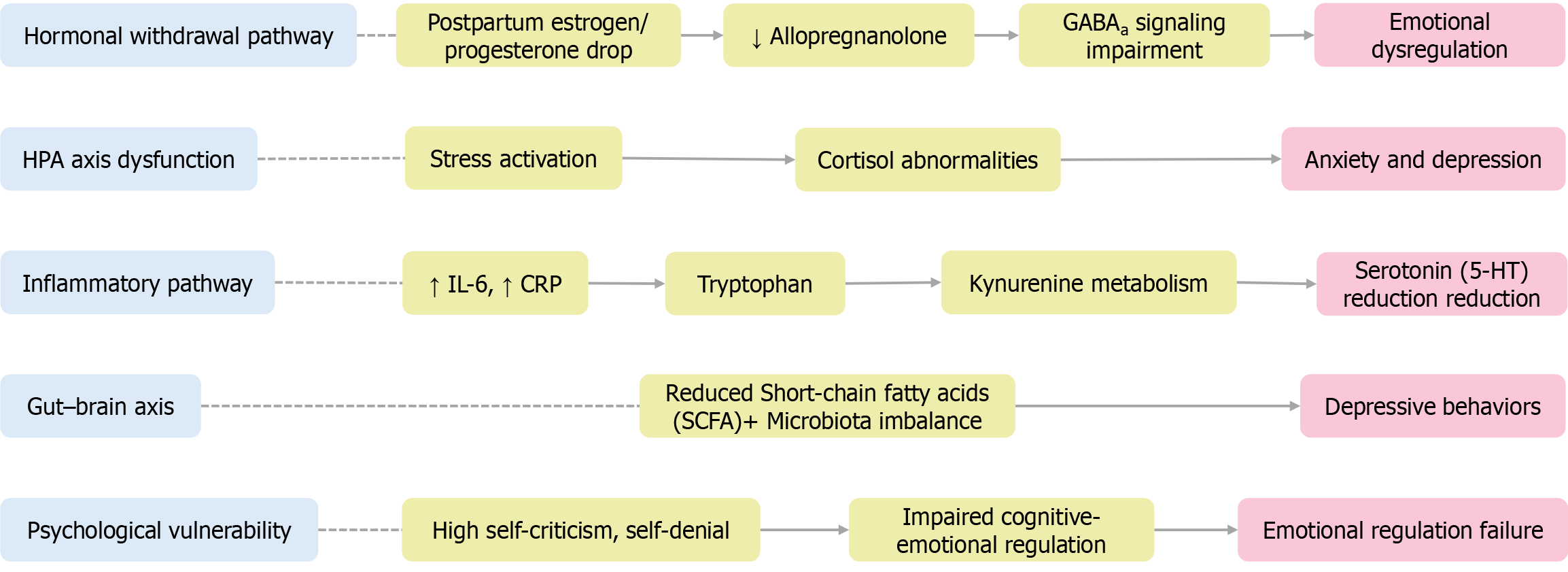
Figure 3 Parallel psychophysiological pathways underlying postpartum depression.
This figure illustrates five interrelated biological and psychological pathways implicated in the pathogenesis of postpartum depression: Hormonal withdrawal, hypothalamic-pituitary-adrenal axis dysregulation, inflammatory activation, gut-brain axis disruption, and psychological vulnerability. The updated hormonal model incorporates recent positron emission tomography/magnetic resonance spectroscopy findings linking postpartum estrogen withdrawal to decreased allopregnanolone levels and impaired GABAa signaling, which contribute to emotional dysregulation. Each pathway interacts with mood, cognition, and behavior through distinct yet interconnected mechanisms in biologically susceptible individuals. CRP: C-reactive protein; IL-6: Interleukin-6; SCFA: Short-chain fatty acid; 5-HT: 5-hydroxytryptamine; GABAa: Gamma-aminobutyric acid type A receptor.
- Citation: Ji QQ, Wang MY. Epidemiology, pathophysiology, and interventions for postpartum depression: Systematic review. World J Clin Cases 2025; 13(29): 110948
- URL: https://www.wjgnet.com/2307-8960/full/v13/i29/110948.htm
- DOI: https://dx.doi.org/10.12998/wjcc.v13.i29.110948