
















Copyright: ©Author(s) 2026.
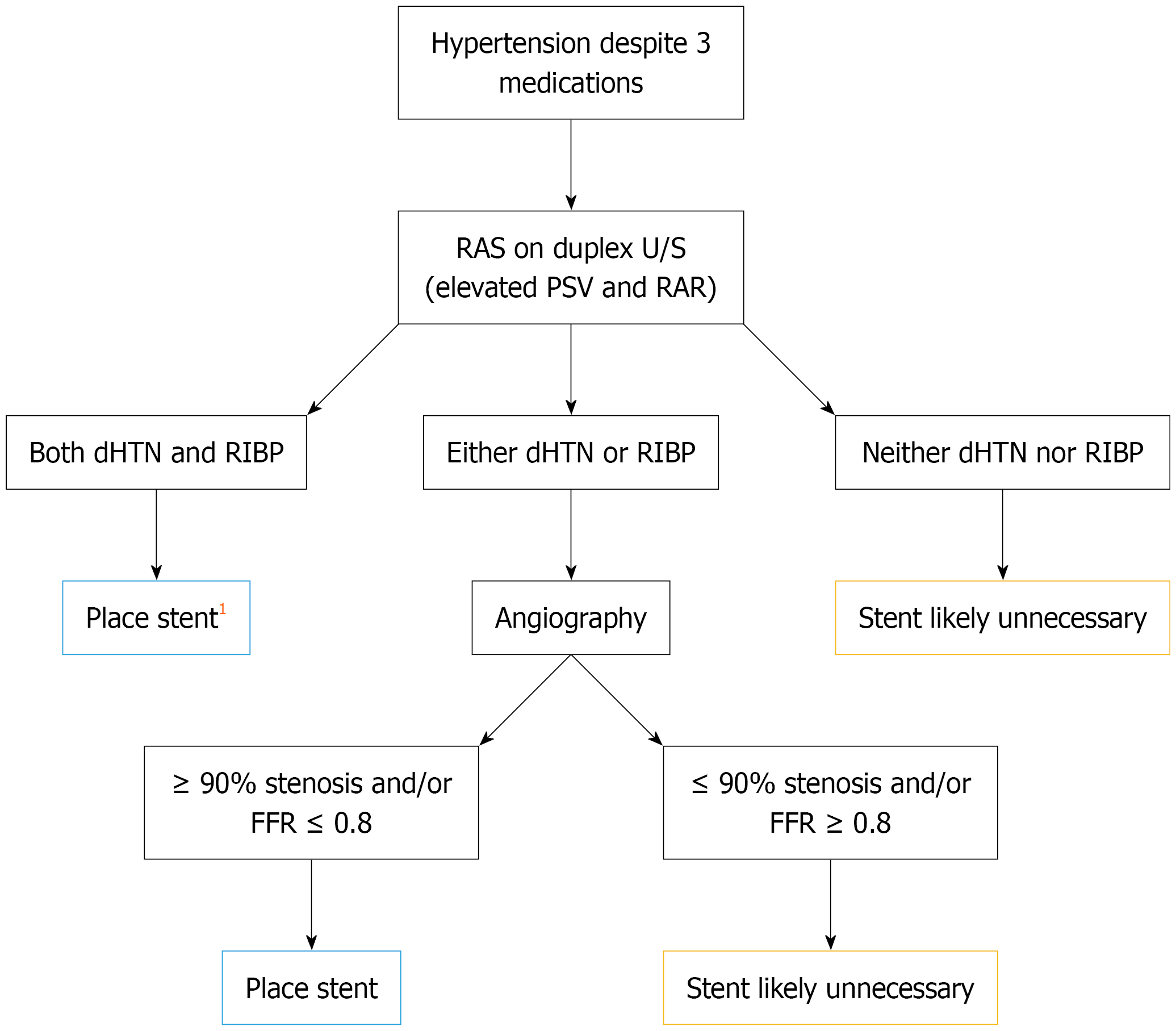
Figure 1 Flow diagram for deciding which patients to stent for resistant hypertension.
When a patient remains hypertensive above 140 mmHg systolic and/or 90 mmHg diastolic despite three medications it is reasonable to get a renal artery duplex ultrasound. If this duplex ultrasound shows renal artery stenosis associated with elevated peak systolic velocity and/or elevated renal-aortic ratio then further history should be evaluated. This should include whether the patient has diastolic hypertension (> 80 mmHg) and/or rapidly increasing blood pressure (systolic blood pressure increase > 15 mmHg within a year). If both are present, then stenting is indicated. 1These patients are highly likely to have ≥ 90% stenosis and/or fractional flow reserve < 0.8. If a patient has either rapidly increasing blood pressure or diastolic hypertension but not both then evaluation for ≥ 90% stenosis and/or fractional flow reserve < 0.8 using angiography is warranted, as is stenting if either are present. If stenosis is ≤ 90% and fractional flow reserve is > 0.8 then stenting is likely unnecessary. If a patient has neither diastolic hypertension or rapidly increasing blood pressure then renal angiography and stenting are likely unnecessary. RAS: Renal artery stenosis; PSV: Peak systolic velocity; RAR: Renal-aortic ratio; dHTN: Diastolic hypertension; RIBP: Rapidly increasing blood pressure; FFR: Fractional flow reserve.
- Citation: Warfield AE, Morris CS, Bhave AD, Scriver GM, Massouh A, Kallen J, Solomon RT, Majdalany BS. Renal artery stenting for atherosclerotic renal artery stenosis: A review of contemporary data. World J Nephrol 2026; 15(3): 124524
- URL: https://www.wjgnet.com/2220-6124/full/v15/i3/124524.htm
- DOI: https://dx.doi.org/10.5527/wjn.124524