
















Copyright: ©Author(s) 2026.
World J Nephrol. Jun 25, 2026; 15(2): 118565
Published online Jun 25, 2026. doi: 10.5527/wjn.v15.i2.118565
Published online Jun 25, 2026. doi: 10.5527/wjn.v15.i2.118565
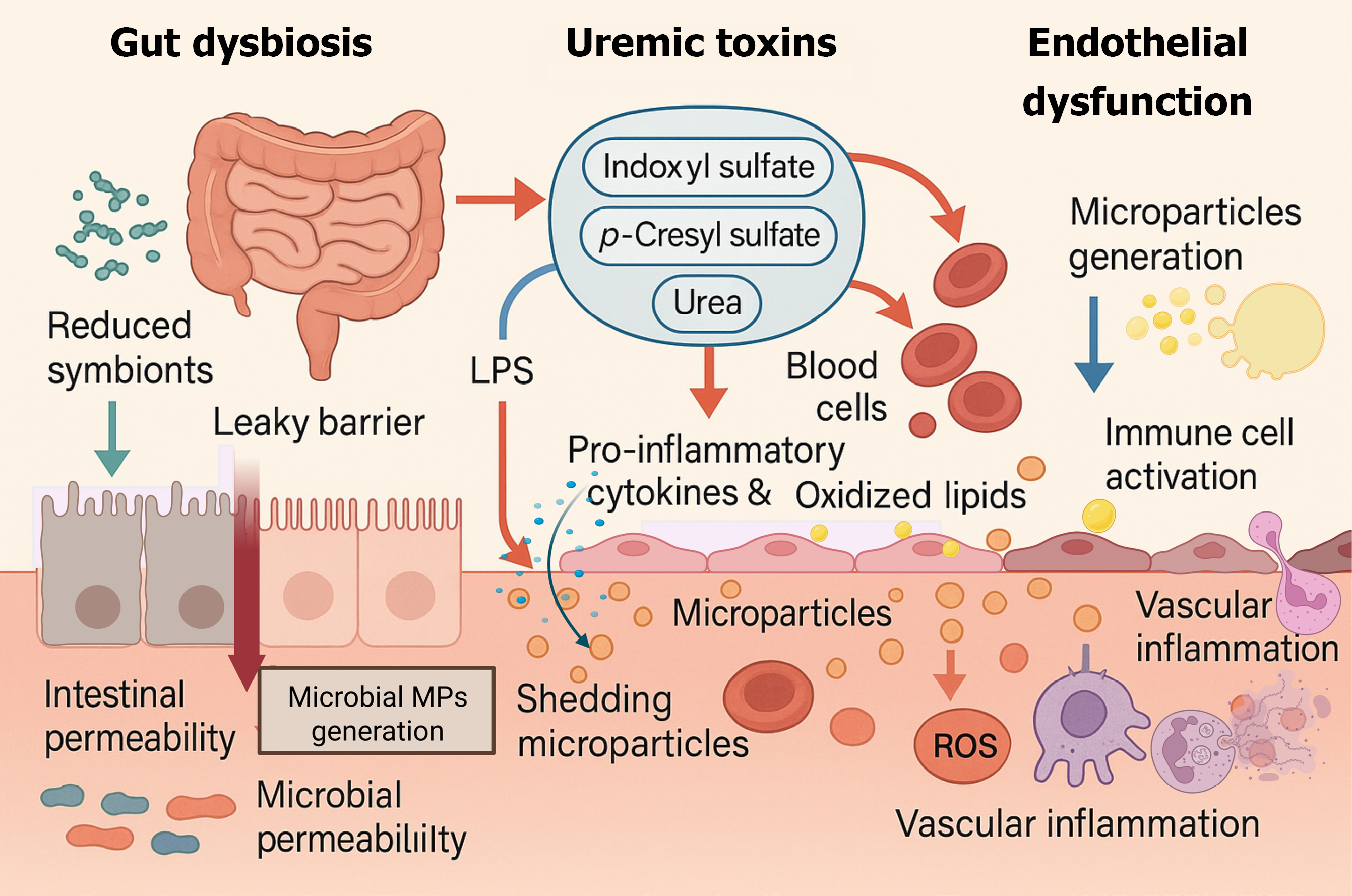
Figure 2 Role of microparticles in the gut-kidney axis in chronic kidney disease.
This schematic diagram illustrates the pivotal role of microparticles (MPs) in mediating the gut-kidney dialogue in chronic kidney disease (CKD). It depicts how gut dysbiosis compromises the intestinal barrier, leading to a “leaky gut” that facilitates the translocation of bacterial MPs and lipopolysaccharide into the circulation. These gut-derived MPs, along with uremic toxins (e.g., indoxyl sulfate, p-cresyl sulfate) produced by the kidney contribute to systemic pathology. The figure further shows MPs shed from endothelial cells, platelets, and leukocytes, carrying pro-inflammatory cytokines, oxidized lipids, and other pathogenic cargos. These MPs drive endothelial dysfunction, renal inflammation, oxidative stress, and fibrosis, amplifying CKD progression. The diagram highlights the amplifying effects of uremic toxins, metabolic acidosis, and sympathetic activation on MP-mediated damage, culminating in increased cardiovascular risk. Created by BioRender. LPS: Lipopolysaccharide; ROS: Reactive oxygen species.
- Citation: Bhunyakarnjanarat T, Leelahavanichkul A, Chancharoenthana W. Microparticles at the crossroads of the gut-kidney axis: Mechanistic drivers and therapeutic horizons in hemodialysis. World J Nephrol 2026; 15(2): 118565
- URL: https://www.wjgnet.com/2220-6124/full/v15/i2/118565.htm
- DOI: https://dx.doi.org/10.5527/wjn.v15.i2.118565