
















Copyright: ©Author(s) 2026.
World J Nephrol. Jun 25, 2026; 15(2): 118565
Published online Jun 25, 2026. doi: 10.5527/wjn.v15.i2.118565
Published online Jun 25, 2026. doi: 10.5527/wjn.v15.i2.118565
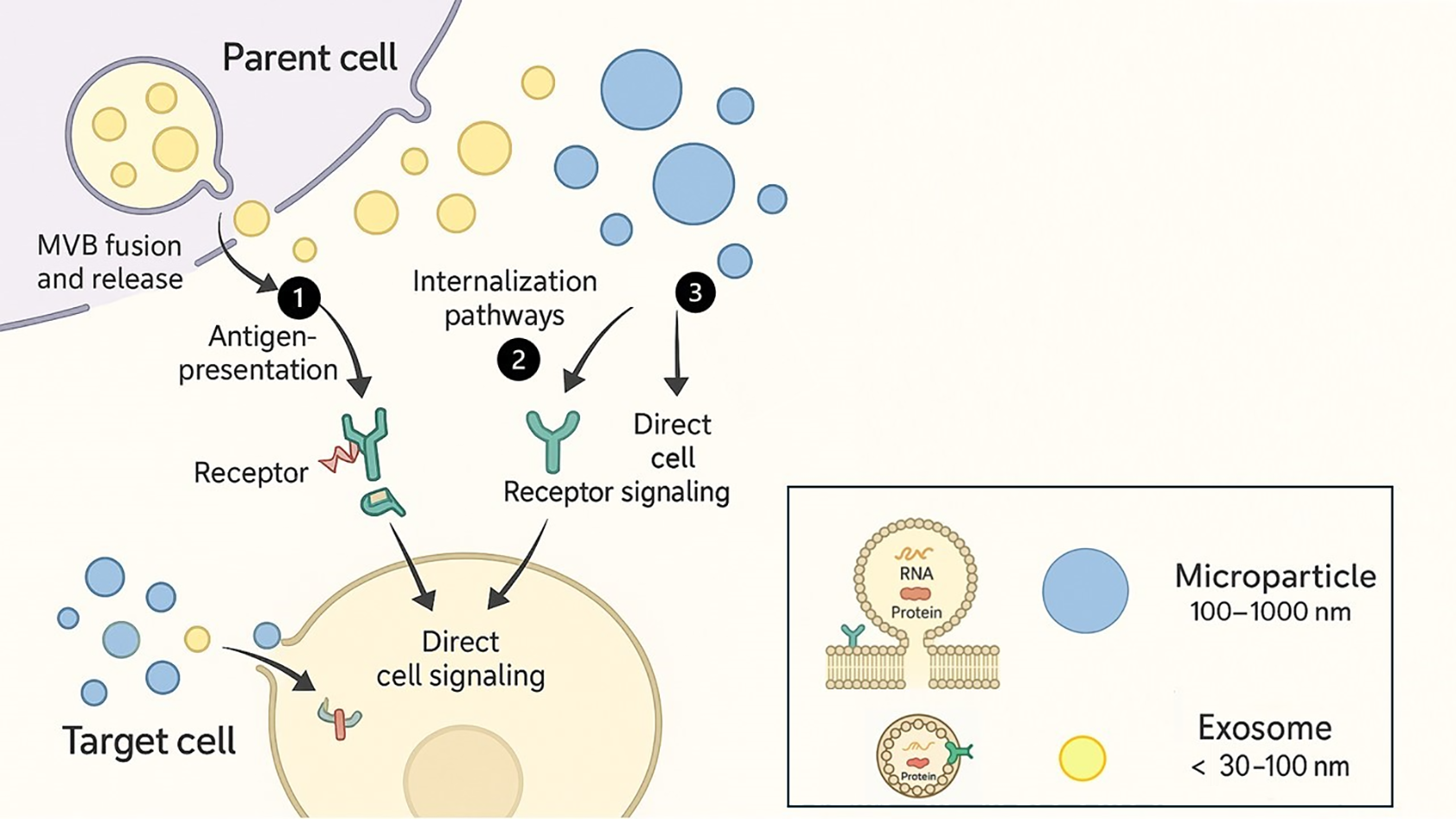
Figure 1 Biogenesis and functional roles of extracellular vesicles.
Exosomes (depicted in yellow; 30-100 nm in diameter) are generated within multivesicular bodies (MVBs) as intraluminal vesicles and are secreted upon fusion of the MVB with the plasma membrane. In contrast, microparticles [microparticles (MPs); shown in blue; 100-1000 nm] arise through direct outward budding of the plasma membrane and are enriched in cytosolic content and phospholipid components. Both classes of extracellular vesicles (EVs) contribute to intercellular communication by facilitating antigen presentation (via major histocompatibility complex peptide complexes), transferring surface receptors, or directly modulating signaling pathways. Additionally, EVs act as carriers for functional cargo such as proteins, transcription factors, and regulatory RNAs (including microRNAs and messenger RNAs). The precise mechanisms underlying EV uptake remain incompletely characterized, but may involve: (1) Receptor binding; (2) Endocytosis or micropinocytosis; and (3) Direct membrane fusion-mediated signaling. Created by BioRender. MVB: Multivesicular bodies.
- Citation: Bhunyakarnjanarat T, Leelahavanichkul A, Chancharoenthana W. Microparticles at the crossroads of the gut-kidney axis: Mechanistic drivers and therapeutic horizons in hemodialysis. World J Nephrol 2026; 15(2): 118565
- URL: https://www.wjgnet.com/2220-6124/full/v15/i2/118565.htm
- DOI: https://dx.doi.org/10.5527/wjn.v15.i2.118565