
















Copyright: ©Author(s) 2026.
World J Nephrol. Mar 25, 2026; 15(1): 115252
Published online Mar 25, 2026. doi: 10.5527/wjn.v15.i1.115252
Published online Mar 25, 2026. doi: 10.5527/wjn.v15.i1.115252
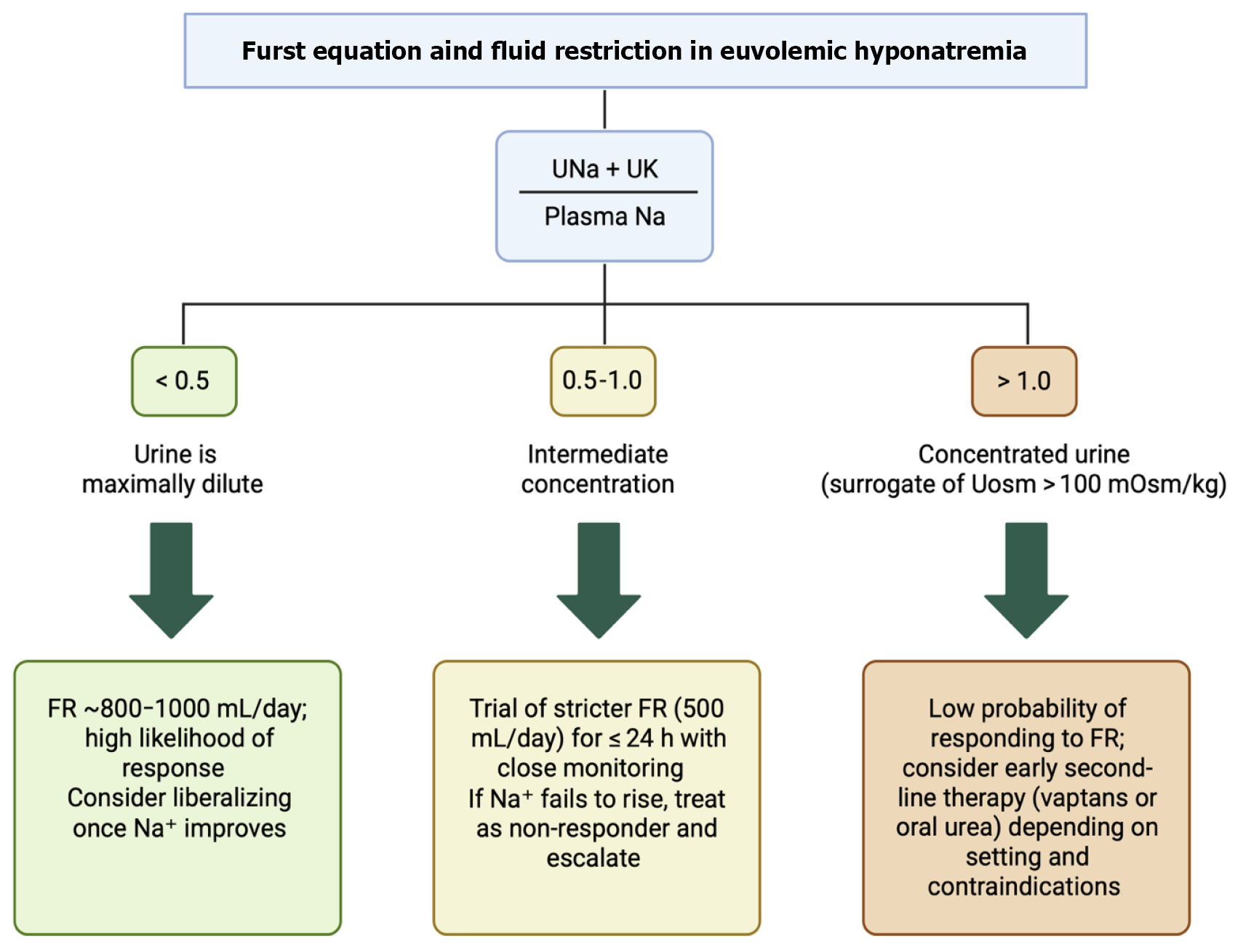
Figure 3 Furst equation and fluid restriction strategy in euvolemic hyponatremia.
The Furst equation provides a practical estimation of urine tonicity relative to plasma sodium concentration and helps anticipate the likelihood of response to fluid restriction (FR). A value < 0.5 indicates maximally dilute urine and high probability of correction with standard FR (approximately 800-1000 mL/day). Intermediate values (0.5-1.0) suggest partial concentration and warrant a stricter trial of FR (approximately 500 mL/day) under close monitoring. Ratios > 1.0 reflect concentrated urine (surrogate for urine osmolality > 100 mOsm/kg), indicating poor response to FR and the need for early consideration of second-line therapies (urea or vasopressin receptor antagonists). Una: Urinary sodium concentration; Uk: Urinary potassium concentration; FR: Fluid restriction.
- Citation: Martínez-Sánchez FD, Gutierrez-Rosas LE, Barranco-Hernandez LH, Gonzalez-Alvarez G, Bastida-Castro LA, Rocha-Haro A, Barrientos-Cabrera G, Martínez-Cabrera CF, Balderas-Juarez J, Salinas-Ramirez MA, Hernandez-Castillo JL. Hyponatremia: Evolving diagnostics and emerging therapeutics in clinical practice. World J Nephrol 2026; 15(1): 115252
- URL: https://www.wjgnet.com/2220-6124/full/v15/i1/115252.htm
- DOI: https://dx.doi.org/10.5527/wjn.v15.i1.115252