
















©The Author(s) 2025.
World J Nephrol. Dec 25, 2025; 14(4): 110882
Published online Dec 25, 2025. doi: 10.5527/wjn.v14.i4.110882
Published online Dec 25, 2025. doi: 10.5527/wjn.v14.i4.110882
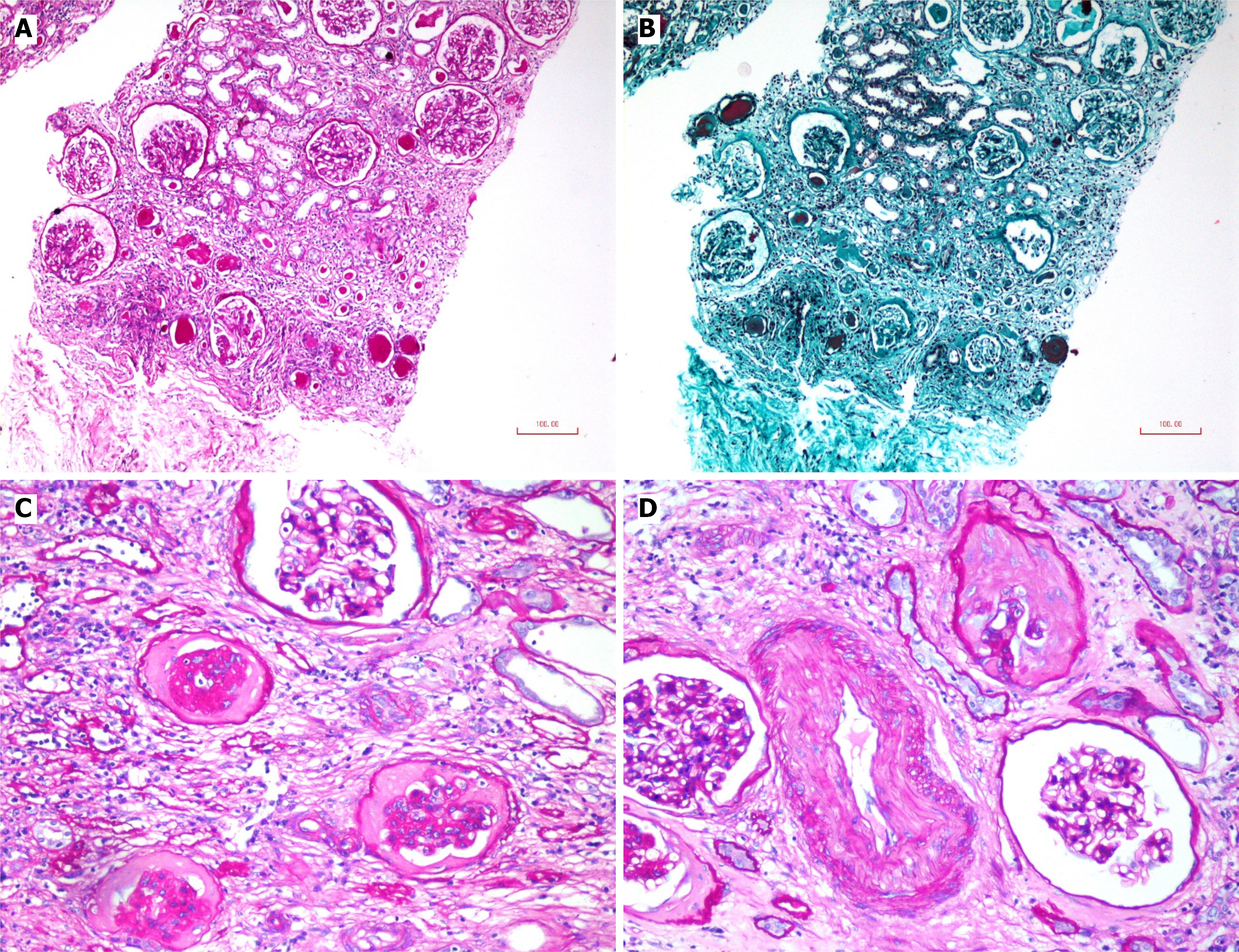
Figure 2 Morphological features of chronic antiphospholipid syndrome nephropathy.
A: Low-power view showing subcapsular focal cortical atrophy, a characteristic lesion of chronic antiphospholipid syndrome nephropathy (APSN) (hematoxylin & eosin, 100 ×); B: Low magnification view showing the same lesion on trichrome stain (Masson’s trichrome, 100 ×); C: Another biopsy with chronic APSN showing ischemic solidification of some glomeruli as a result of chronic is
- Citation: Abbas K, Naqvi R, Musharraf W, Mubarak M, Lal J. Role of antiphospholipid antibodies in kidney disease: Risk factors, immunopathogenesis, and diagnosis. World J Nephrol 2025; 14(4): 110882
- URL: https://www.wjgnet.com/2220-6124/full/v14/i4/110882.htm
- DOI: https://dx.doi.org/10.5527/wjn.v14.i4.110882