
















©The Author(s) 2025.
World J Nephrol. Sep 25, 2025; 14(3): 107571
Published online Sep 25, 2025. doi: 10.5527/wjn.v14.i3.107571
Published online Sep 25, 2025. doi: 10.5527/wjn.v14.i3.107571
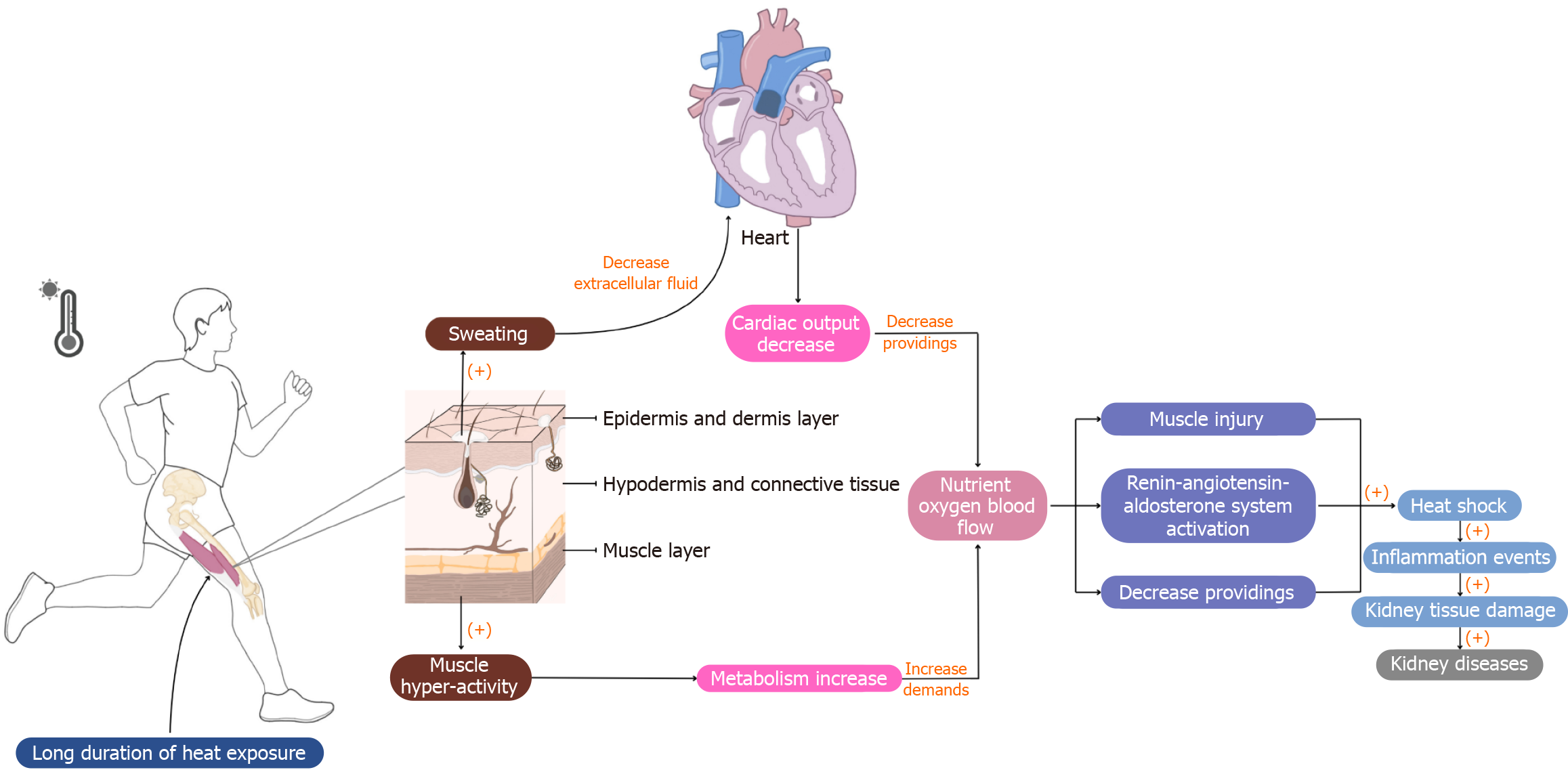
Figure 6 Inflammatory pathways of renal function in heat shock conditions.
Heat stress-induced muscle injury, hypoxia, and metabolic stress trigger a systemic inflammatory response, releasing pro-inflammatory cytokines that can directly impair renal function. Nonsteroidal anti-inflammatory drugs used for pain management can exacerbate renal dysfunction by inhibiting prostaglandin synthesis, which is crucial for maintaining renal blood flow. Heat shock proteins, though protective, may also act as damage-associated molecular patterns (DAMPs), amplifying inflammation. Based on a summary of the findings from references. (+): Activate; (-): Inhibit.
- Citation: Tran TTT, Tran KV, Nguyen TD, Pham NTT, Nguyen TH. Role of heat shock proteins in renal function and adaptation to heat stress: Implications for global warming. World J Nephrol 2025; 14(3): 107571
- URL: https://www.wjgnet.com/2220-6124/full/v14/i3/107571.htm
- DOI: https://dx.doi.org/10.5527/wjn.v14.i3.107571