
















©The Author(s) 2025.
World J Nephrol. Sep 25, 2025; 14(3): 107571
Published online Sep 25, 2025. doi: 10.5527/wjn.v14.i3.107571
Published online Sep 25, 2025. doi: 10.5527/wjn.v14.i3.107571
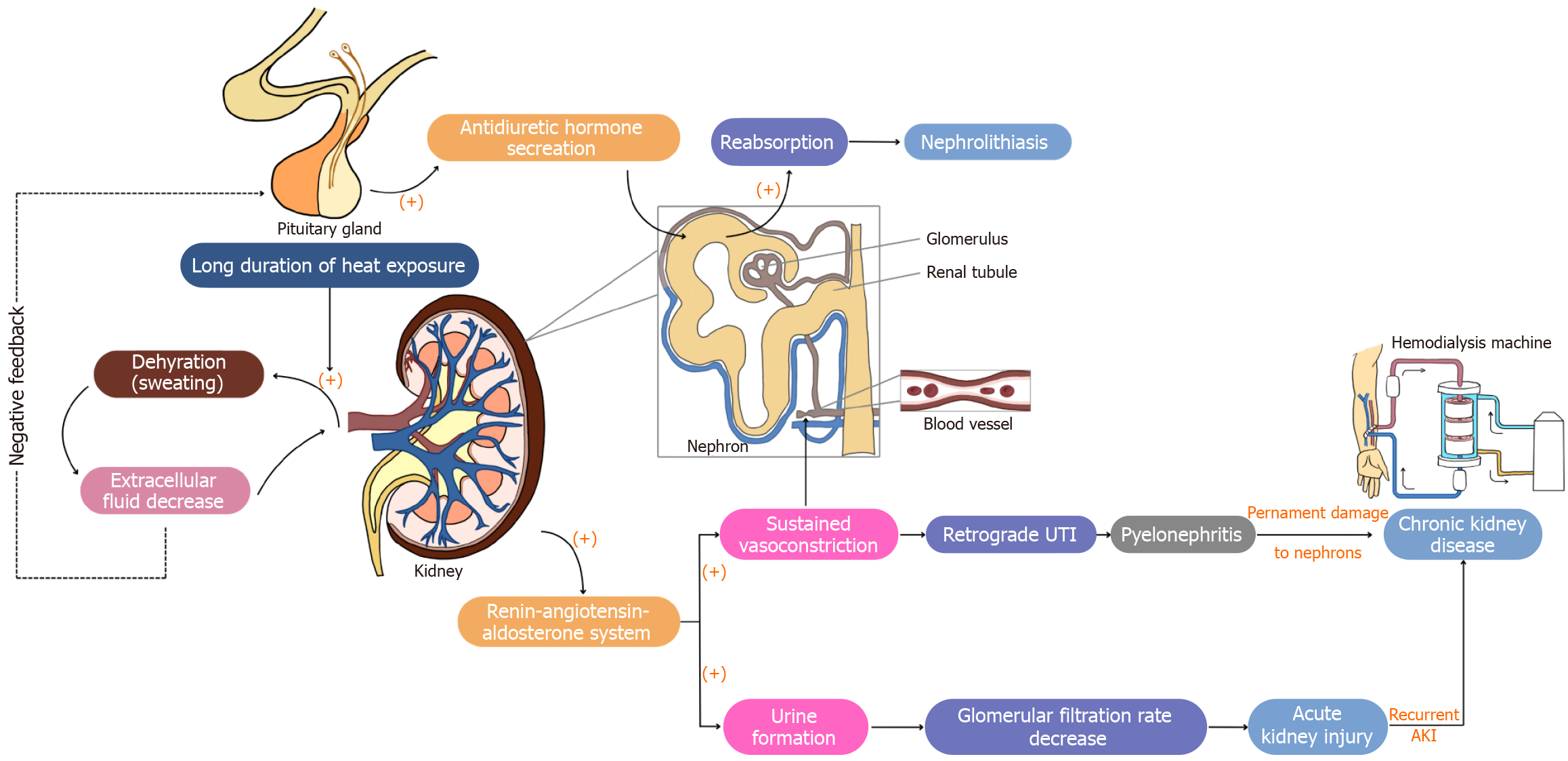
Figure 5 Non-inflammatory pathways of renal function in heat shock conditions.
Non-inflammatory pathways of heat-induced renal dysfunction are primarily driven by fluid loss and circulatory changes. Dehydration triggers the release of antidiuretic hormone, increasing water reabsorption and concentrating urine, which can lead to nephrolithiasis. The renin-angiotensin-aldosterone system is activated, causing vasoconstriction that can reduce renal blood flow and glomerular filtration rate, potentially leading to acute kidney injury. Reduced urine output increases the risk of urinary tract infections and pyelonephritis. Based on a summary of the findings from references. (+): Activate; (-): Inhibit.
- Citation: Tran TTT, Tran KV, Nguyen TD, Pham NTT, Nguyen TH. Role of heat shock proteins in renal function and adaptation to heat stress: Implications for global warming. World J Nephrol 2025; 14(3): 107571
- URL: https://www.wjgnet.com/2220-6124/full/v14/i3/107571.htm
- DOI: https://dx.doi.org/10.5527/wjn.v14.i3.107571