
















©The Author(s) 2025.
World J Nephrol. Sep 25, 2025; 14(3): 107571
Published online Sep 25, 2025. doi: 10.5527/wjn.v14.i3.107571
Published online Sep 25, 2025. doi: 10.5527/wjn.v14.i3.107571
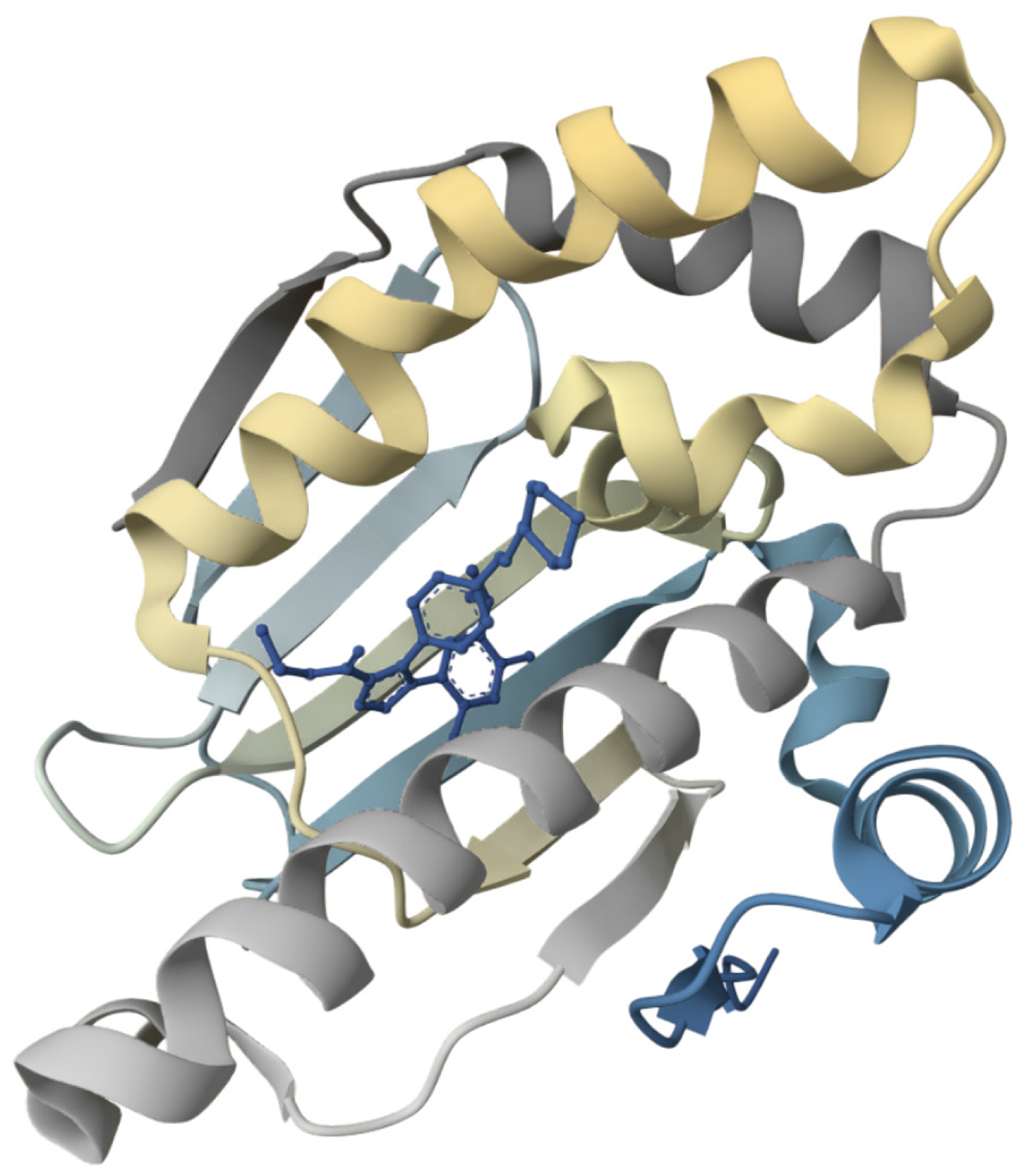
Figure 4 Molecular structure of heat shock protein 90[135].
Heat shock protein 90 functions as a homodimer, with each monomer comprising three key domains: An N-terminal domain (NTD) that binds adenosine triphosphate (ATP), a middle domain involved in client protein and co-chaperone interactions, and a C-terminal domain primarily responsible for dimerization. The NTD can form a 'molecular clamp', and ATP binding to the NTDs induces their transient dimerization, driving significant conformational changes between open and closed states, a process crucial for client protein activation and the overall chaperone cycle. This dynamic, ATP-dependent mechanism, regulated by co-chaperones, enables HSP90's flexible multi-domain architecture to interact with a wide range of client proteins, facilitating their proper folding, maturation, and stabilization. This figure was adapted with Mol* (MIT-licensed) from the Structure page for PDB ID 8AGI (CC0 1.0) on the RCSB Protein Data Bank (https://www.rcsb.org/structure/8AGI). Citation: Tassone G, Mazzorana M, Mangani S, Petricci E, Cini E, Giannini G, Pozzi C, Maramai S. Structural Characterization of Human Heat Shock Protein 90 N-Terminal Domain and Its Variants K112R and K112A in Complex with a Potent 1,2,3-Triazole-Based Inhibitor. Int J Mol Sci 2022; 23: 9458. ©2022 by the authors. Published by MDPI (Supplementary material).
- Citation: Tran TTT, Tran KV, Nguyen TD, Pham NTT, Nguyen TH. Role of heat shock proteins in renal function and adaptation to heat stress: Implications for global warming. World J Nephrol 2025; 14(3): 107571
- URL: https://www.wjgnet.com/2220-6124/full/v14/i3/107571.htm
- DOI: https://dx.doi.org/10.5527/wjn.v14.i3.107571