
















©The Author(s) 2025.
World J Nephrol. Sep 25, 2025; 14(3): 107571
Published online Sep 25, 2025. doi: 10.5527/wjn.v14.i3.107571
Published online Sep 25, 2025. doi: 10.5527/wjn.v14.i3.107571
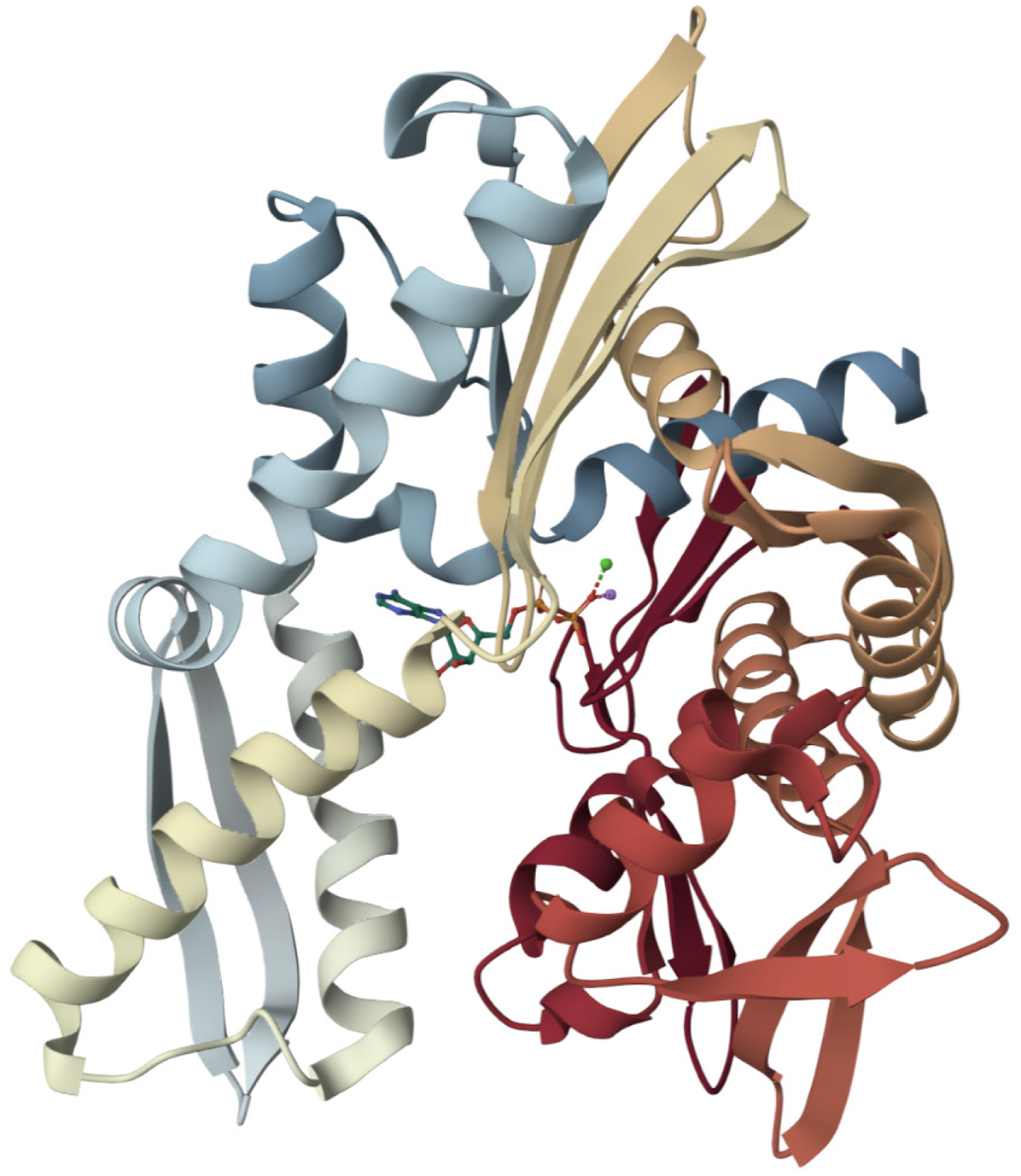
Figure 3 Molecular structure of heat shock protein 70[113].
Heat shock protein 70 (HSP70) is a molecular chaperone with two main domains: An N-terminal nucleotide-binding domain (NBD) (approximately 44 kDa) and a C-terminal substrate-binding domain (SBD) (approximately 25-30 kDa), connected by a flexible, conserved linker that facilitates allosteric communication. The NBD consists of two lobes creating a deep cleft for adenosine triphosphate (ATP) binding and hydrolysis, exhibiting a structural fold similar to actin. The SBD is characterized by a β-sandwich subdomain that forms a peptide-binding groove and an α-helical lid that covers the bound substrate. The crucial chaperone function of HSP70 relies on ATP-dependent conformational changes: ATP binding to the NBD leads to an open SBD lid and low substrate affinity, while ATP hydrolysis promotes lid closure and high-affinity substrate binding, enabling HSP70 to act as a molecular machine in protein folding. This figure was adapted with Mol* (MIT-licensed) from the Structure page for PDB ID 1S3X (CC0 1.0) on the RCSB Protein Data Bank (https://www.rcsb.org/structure/1S3X). Citation: Sriram M, Osipiuk J, Freeman B, Morimoto R, Joachimiak A. Human Hsp70 molecular chaperone binds two calcium ions within the ATPase domain. Structure 1997; 5: 403-414 Copyright ©2002 Elsevier Science Ltd. Published by Elsevier Inc (Supplementary material).
- Citation: Tran TTT, Tran KV, Nguyen TD, Pham NTT, Nguyen TH. Role of heat shock proteins in renal function and adaptation to heat stress: Implications for global warming. World J Nephrol 2025; 14(3): 107571
- URL: https://www.wjgnet.com/2220-6124/full/v14/i3/107571.htm
- DOI: https://dx.doi.org/10.5527/wjn.v14.i3.107571