
















Copyright: ©Author(s) 2026.
World J Virol. Mar 25, 2026; 15(1): 118362
Published online Mar 25, 2026. doi: 10.5501/wjv.v15.i1.118362
Published online Mar 25, 2026. doi: 10.5501/wjv.v15.i1.118362
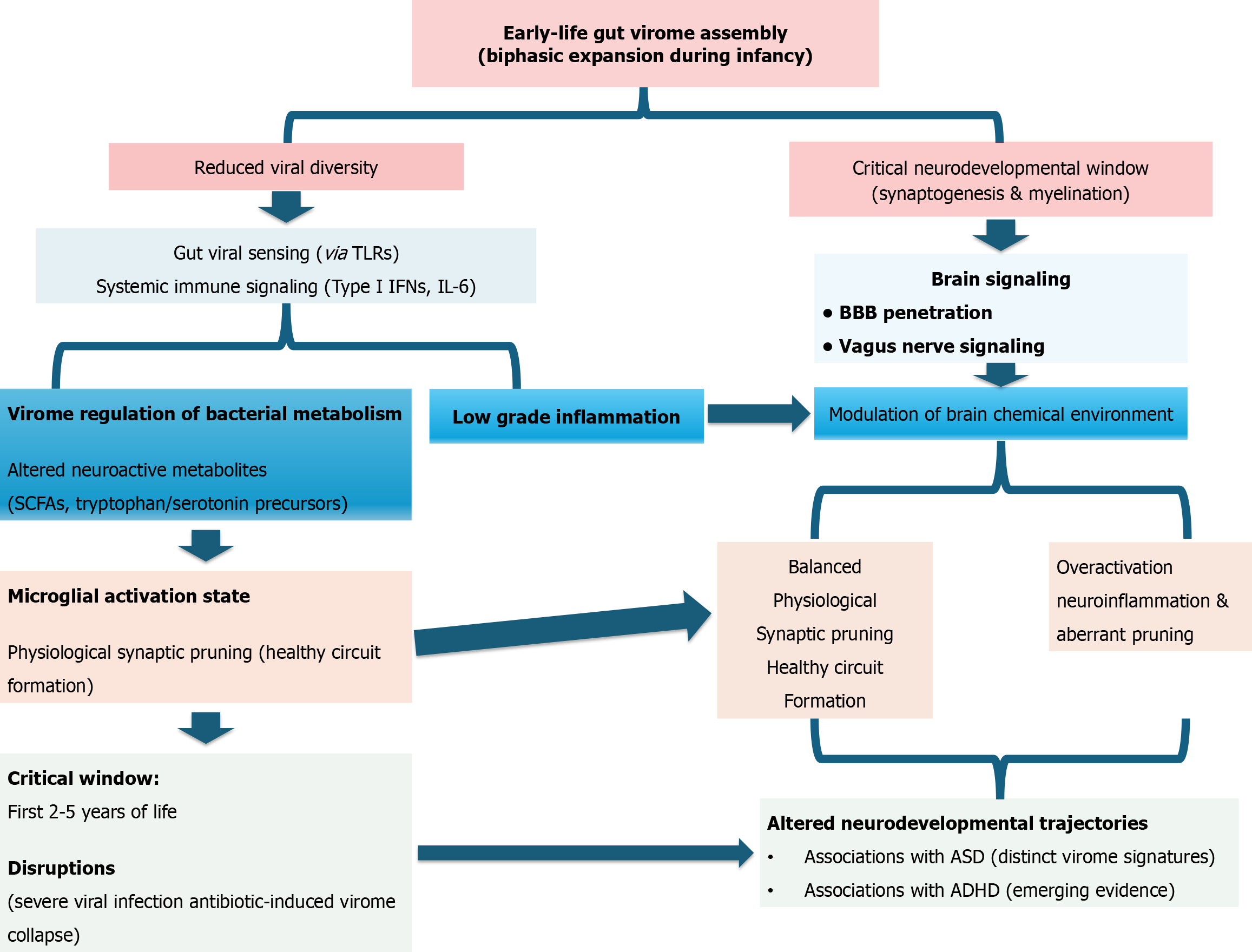
Figure 8 The virome-immune-brain axis in early neurodevelopment.
This single-panel schematic illustrates the proposed role of the gut virome in shaping neurodevelopment through immune and metabolic signaling pathways. During early life, the expanding gut virome interacts with host immune sensors (e.g., toll-like receptors), triggering controlled cytokine responses and type I interferon signaling that can influence the brain directly via the blood-brain barrier or indirectly through vagal pathways. In parallel, bacteriophages modulate bacterial communities and their metabolic outputs, including short-chain fatty acids and neurotransmitter precursors (e.g., tryptophan), thereby altering the neurochemical milieu. These virome-driven immune and metabolic signals regulate microglial priming and synaptic pruning, processes critical for normal brain maturation. Disruption of virome balance during critical developmental windows (approximately the first 2-5 years of life) may lead to excessive neuroinflammation, aberrant synaptic remodeling, and altered neural circuit formation. Emerging evidence links such virome alterations with neurodevelopmental conditions such as autism spectrum disorder and attention-deficit/hyperactivity disorder, although current data support association rather than causation. ASD: Autism spectrum disorder; ADHD; Attention-deficit/hyperactivity disorder; SCFA: Short-chain fatty acids; IL: Interleukin; IFN: Interferon; TLR: Toll-like receptors.
- Citation: Saeed NK, Elbeltagi YM, Al-Beltagi M. Unveiling the viral dimension: The paediatric gut virome as a key modulator of gastrointestinal metabolic, and neurodevelopmental health. World J Virol 2026; 15(1): 118362
- URL: https://www.wjgnet.com/2220-3249/full/v15/i1/118362.htm
- DOI: https://dx.doi.org/10.5501/wjv.v15.i1.118362