
















Copyright: ©Author(s) 2026.
World J Virol. Mar 25, 2026; 15(1): 118362
Published online Mar 25, 2026. doi: 10.5501/wjv.v15.i1.118362
Published online Mar 25, 2026. doi: 10.5501/wjv.v15.i1.118362
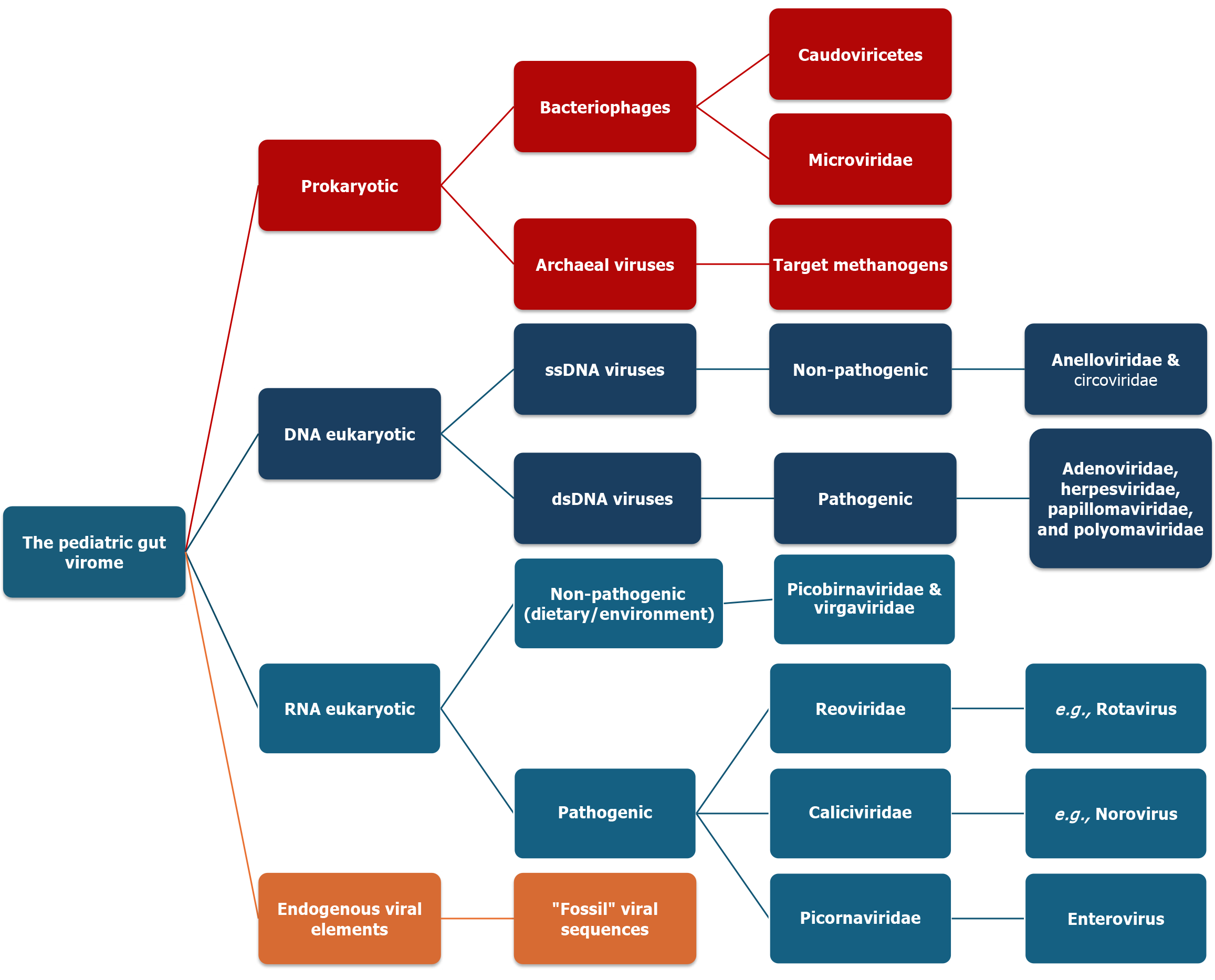
Figure 2 Taxonomy and functional architecture of the paediatric gut virome.
The paediatric gut virome is a multi-kingdom assembly organized into three primary biological domains based on host specificity and genomic integration. Prokaryotic viruses (Bacteriophages and Archaeal viruses): Representing the most abundant fraction in early life, this domain is dominated by the Caudoviricetes (tailed phages) and Microviridae (ssDNA phages). These entities act as “microbial sculptors”, regulating bacterial population densities through lytic predation and facilitating horizontal gene transfer via lysogeny, which drives the evolution of the developing bacteriome. Eukaryotic viruses: This domain comprises both resident host-infecting viruses and transient environmental entities. Host-infecting viruses, such as the Anelloviridae (e.g., torque teno virus), serve as indicators of immune status and are involved in early-life immune priming. Transient viruses, often derived from the diet (e.g., plant-infecting Virgaviridae), represent the interface between environmental exposure and the gut ecosystem. Endogenous viral elements (EVEs): These consist of ancestral viral sequences, including endogenous retroviruses, that are stably integrated into the host genome. In the paediatric context, EVEs are increasingly recognized as active modulators of the innate immune system, contributing to the “molecular memory” that protects the infant against exogenous viral challenges. The hierarchical structure highlights the transition from a phage-rich environment in the neonate to a more diverse, eukaryotic-inclusive ecosystem as the child matures.
- Citation: Saeed NK, Elbeltagi YM, Al-Beltagi M. Unveiling the viral dimension: The paediatric gut virome as a key modulator of gastrointestinal metabolic, and neurodevelopmental health. World J Virol 2026; 15(1): 118362
- URL: https://www.wjgnet.com/2220-3249/full/v15/i1/118362.htm
- DOI: https://dx.doi.org/10.5501/wjv.v15.i1.118362