
















Copyright: ©Author(s) 2026.
World J Virol. Mar 25, 2026; 15(1): 118362
Published online Mar 25, 2026. doi: 10.5501/wjv.v15.i1.118362
Published online Mar 25, 2026. doi: 10.5501/wjv.v15.i1.118362
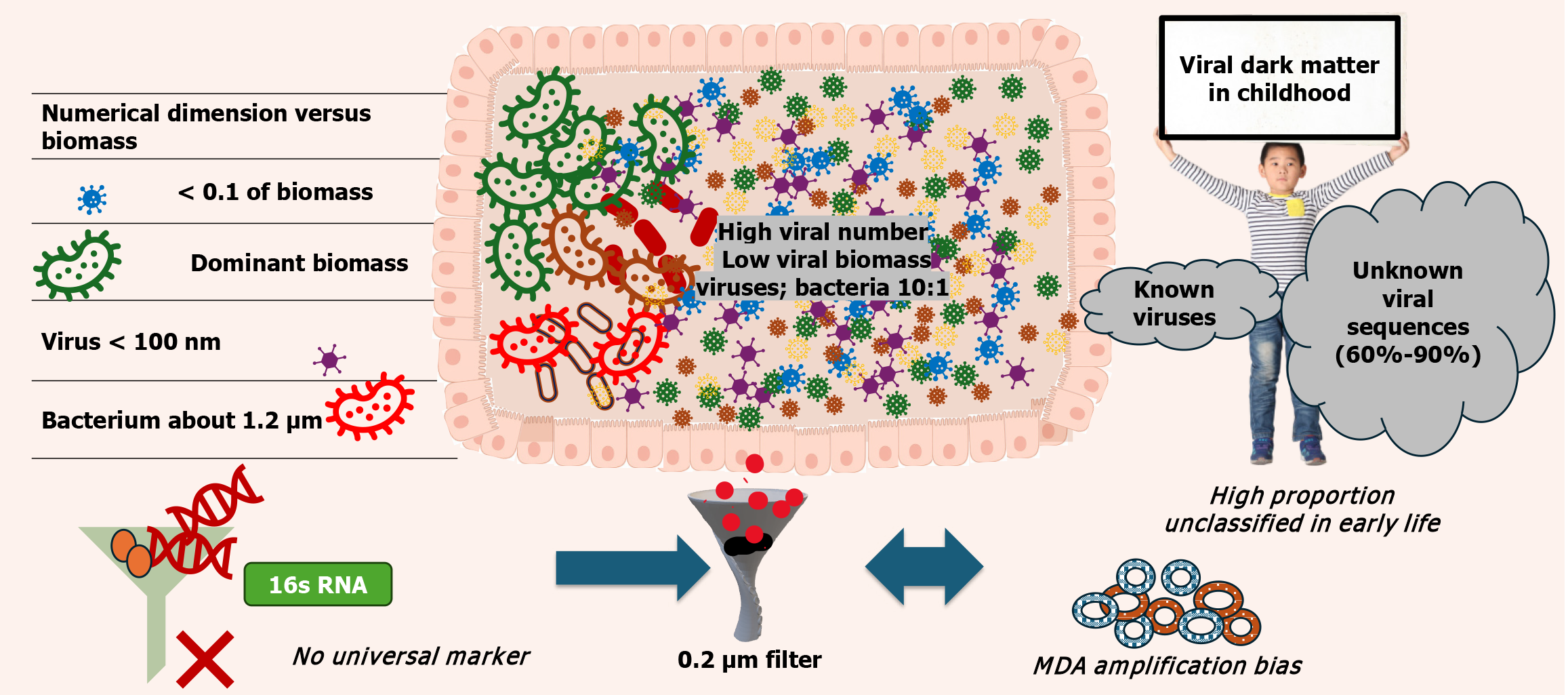
Figure 1 The viral-bacterial paradox in the paediatric gut microbiome.
Despite contributing less than 0.1% of total microbial biomass, viruses-predominantly bacteriophages-numerically dominate the paediatric gut ecosystem, frequently outnumbering bacterial cells by approximately 10:1. Owing to their small size (< 100 nm) and minimal cellular structure, viruses contribute negligibly to overall biomass compared with bacteria (around 1-2 µm), which constitute the bulk of microbial mass. Methodological limitations, including the absence of a universal viral genetic marker, low viral nucleic acid yield, filtration artefacts (e.g., 0.2 µm filters), and amplification biases such as multiple displacement amplification, have historically favored bacterial detection in metagenomic studies. These challenges have resulted in a bacteriocentric view of the gut microbiome and contributed to the underrepresentation of the virome. In paediatric populations, these limitations are further amplified by the highly dynamic nature of early-life viral communities, leading to a large proportion (approximately 60%-90%) of virome sequences remaining unclassified, collectively referred to as viral “dark matter”. Together, these features underscore the numerical dominance, methodological invisibility, and biological significance of the gut virome in early life. MDA: Multiple displacement amplification.
- Citation: Saeed NK, Elbeltagi YM, Al-Beltagi M. Unveiling the viral dimension: The paediatric gut virome as a key modulator of gastrointestinal metabolic, and neurodevelopmental health. World J Virol 2026; 15(1): 118362
- URL: https://www.wjgnet.com/2220-3249/full/v15/i1/118362.htm
- DOI: https://dx.doi.org/10.5501/wjv.v15.i1.118362