
















©The Author(s) 2025.
World J Virol. Sep 25, 2025; 14(3): 108754
Published online Sep 25, 2025. doi: 10.5501/wjv.v14.i3.108754
Published online Sep 25, 2025. doi: 10.5501/wjv.v14.i3.108754
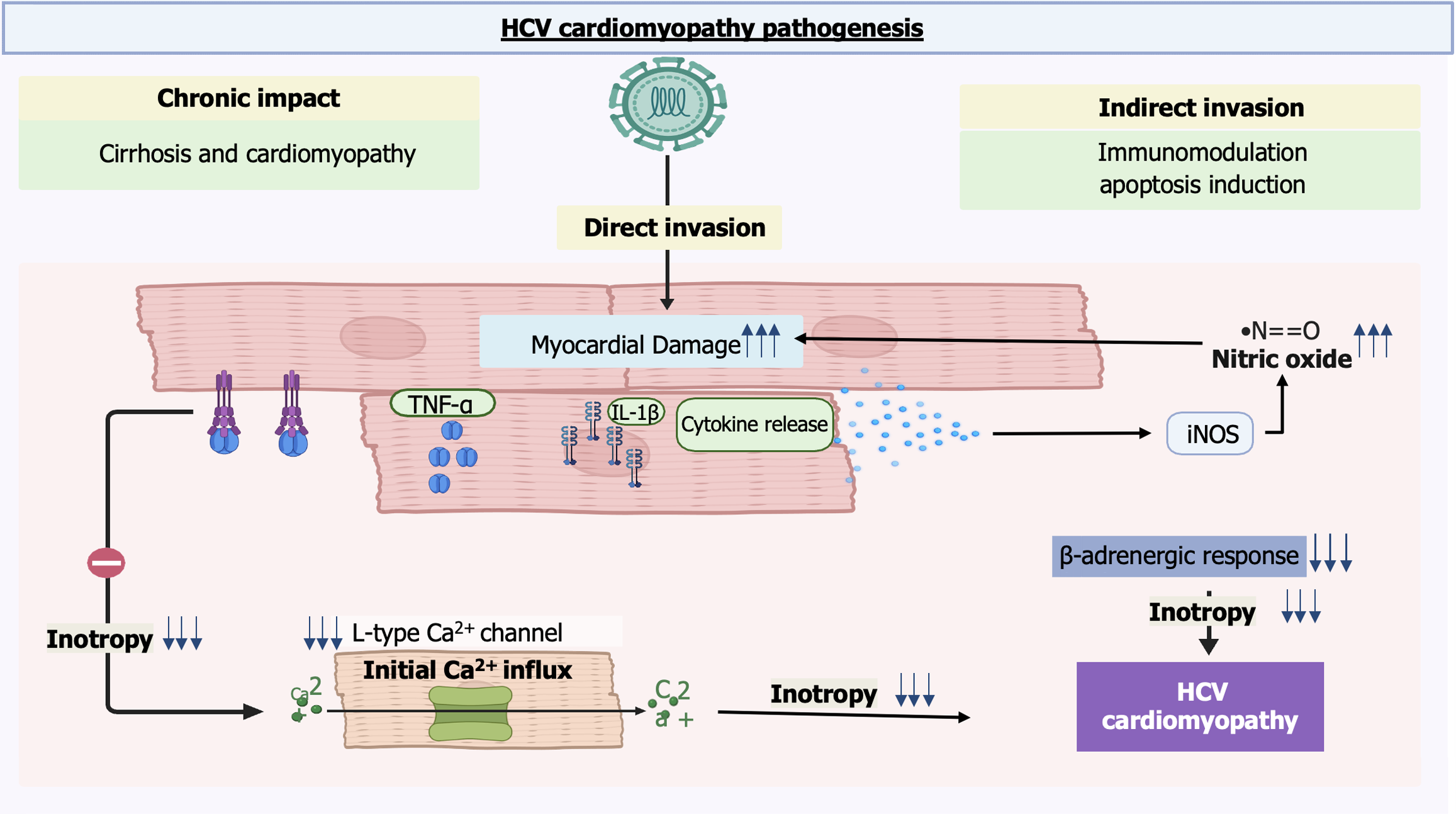
Figure 2 Proposed pathogenesis of hepatitis C virus-induced cardiomyopathy.
Chronic hepatitis C virus infection contributes to myocardial injury through both direct viral invasion and indirect mechanisms. Direct effects include immunomodulation and apoptosis, while indirect pathways involve cytokine release, inducible nitric oxide synthase activation, altered calcium channel function, and reduced beta-adrenergic response, ultimately decreasing myocardial contractility. NO: Nitric oxide; iNOS: Inducible nitric oxide synthase; IL-1β: Interleukin-1β; TNF-α: Tumor necrosis factor-alpha.
- Citation: Bharaj IS, Singh G, Brar AS, Kacheria A, Kahlon J, Mohmand B, Sohal A, Yeneneh BT. Hepatitis C virus-associated cardiomyopathy: A review of pathogenesis. World J Virol 2025; 14(3): 108754
- URL: https://www.wjgnet.com/2220-3249/full/v14/i3/108754.htm
- DOI: https://dx.doi.org/10.5501/wjv.v14.i3.108754