
















Copyright: ©Author(s) 2026.
World J Psychiatry. Sep 19, 2026; 16(9): 120241
Published online Sep 19, 2026. doi: 10.5498/wjp.120241
Published online Sep 19, 2026. doi: 10.5498/wjp.120241
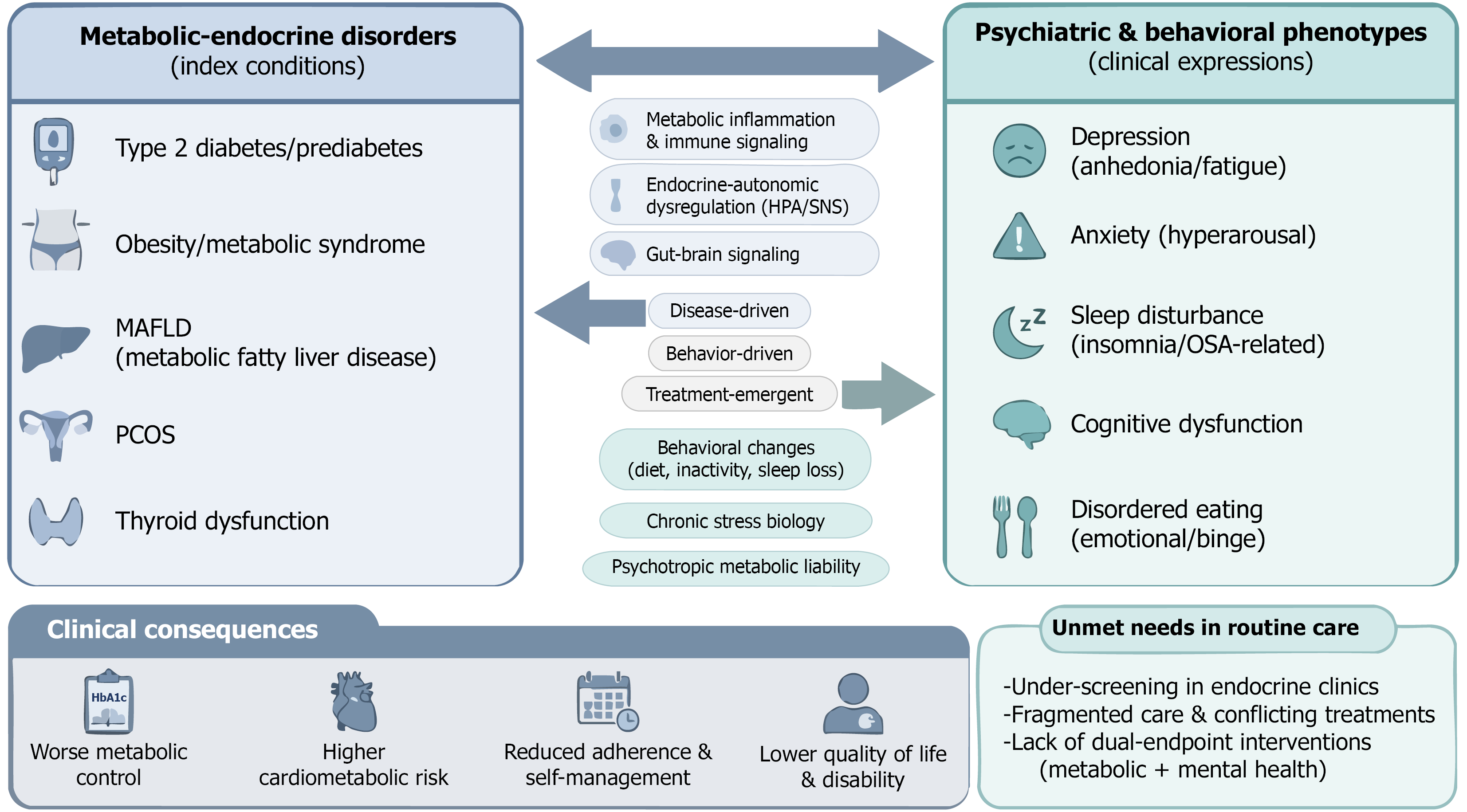
Figure 3 Conceptual framework of endocrine-psychiatric comorbidity in metabolic-endocrine disorders.
Major metabolic-endocrine conditions are linked to psychiatric and behavioral phenotypes through bidirectional pathways. Metabolic disease may worsen mental health via metabolic inflammation, endocrine-autonomic dysregulation (hypothalamic-pituitary-adrenal/sympathetic nervous system), and gut-brain signaling, whereas psychiatric illness and its management may aggravate metabolic status through behavioral changes, chronic stress biology, and psychotropic metabolic liability. These overlapping patterns (disease-driven, behavior-driven, and treatment-emergent) contribute to poorer metabolic control, higher cardiometabolic risk, reduced adherence, and lower quality of life, underscoring unmet needs for integrated screening and dual-endpoint interventions targeting both metabolic and mental health outcomes. PCOS: Polycystic ovary syndrome; HPA: Hypothalamic-pituitary-adrenal; SNS: Sympathetic nervous system; OSA: Obstructive sleep apnea; MAFLD: Metabolic dysfunction-associated fatty liver disease.
- Citation: Yan M, Yang H, Cui D, Zhang YS. Endocrine psychiatric comorbidity in metabolic disorders: Integrative mechanisms and traditional Chinese medicine. World J Psychiatry 2026; 16(9): 120241
- URL: https://www.wjgnet.com/2220-3206/full/v16/i9/120241.htm
- DOI: https://dx.doi.org/10.5498/wjp.120241