
















Copyright: ©Author(s) 2026.
World J Psychiatry. Sep 19, 2026; 16(9): 120241
Published online Sep 19, 2026. doi: 10.5498/wjp.120241
Published online Sep 19, 2026. doi: 10.5498/wjp.120241
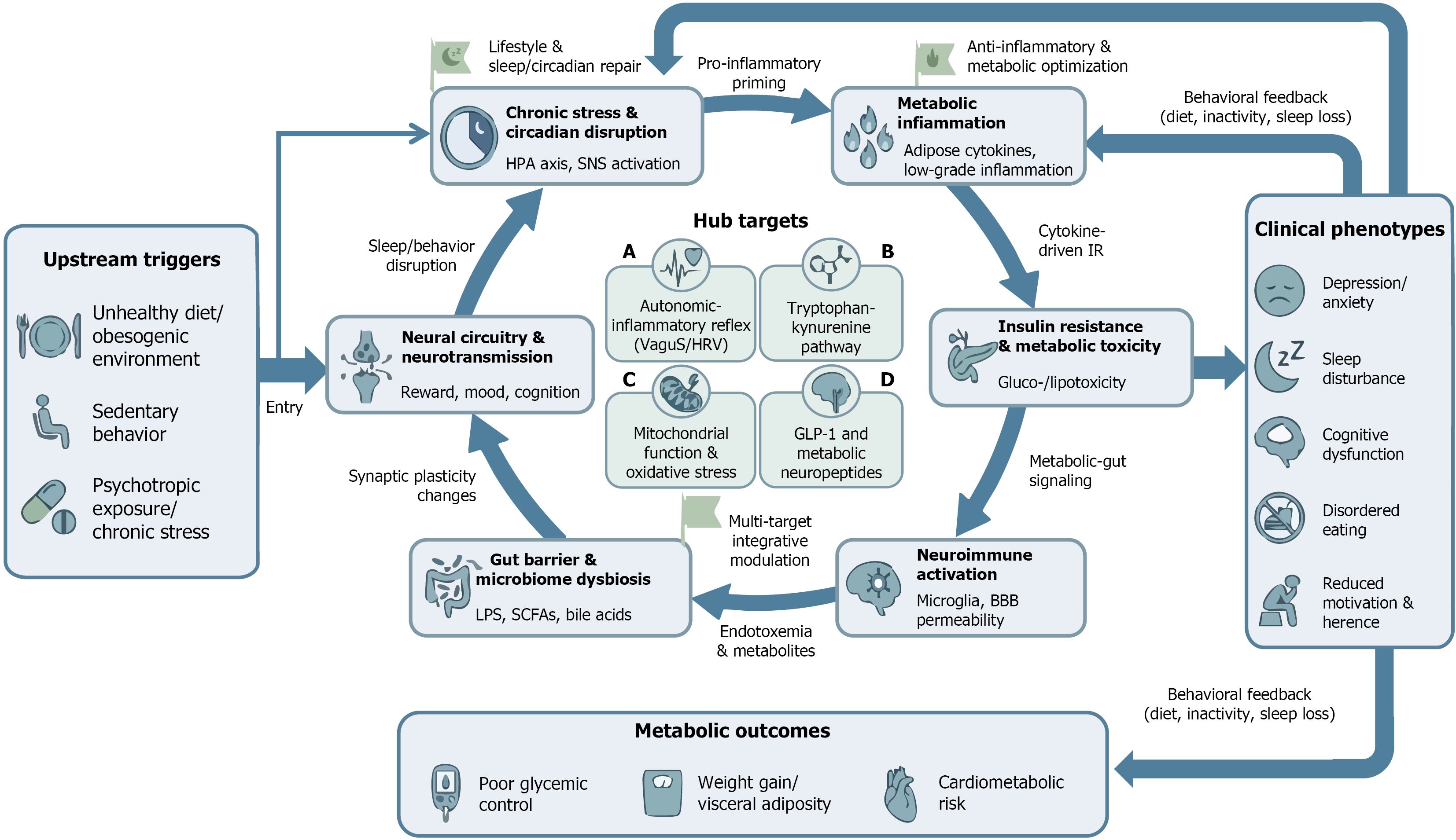
Figure 1 Shared pathophysiology underlying endocrine-psychiatric comorbidity in metabolic disorders.
Upstream metabolic, behavioral, and treatment-related triggers engage a self-reinforcing loop linking stress/circadian disruption, metabolic inflammation, insulin resistance/metabolic toxicity, gut barrier-microbiome dysbiosis, neuroimmune activation, and altered neural circuitry, generating depressive/anxious symptoms, sleep disturbance, cognitive dysfunction, disordered eating, and reduced adherence that further feed back to worsen metabolic control and cardiometabolic risk. Central hub targets (autonomic-inflammatory reflex, tryptophan-kynurenine pathway, mitochondrial dysfunction/oxidative stress, and glucagon-like peptide-1-related neuropeptides) highlight key leverage points for integrated interventions. BBB: Blood–brain barrier; GLP-1: Glucagon-like peptide-1; HPA: Hypothalamic–pituitary–adrenal axis; HRV: Heart rate variability; IR: Insulin resistance; LPS: Lipopolysaccharide; SCFAs: Short-chain fatty acids; SNS: Sympathetic nervous system.
- Citation: Yan M, Yang H, Cui D, Zhang YS. Endocrine psychiatric comorbidity in metabolic disorders: Integrative mechanisms and traditional Chinese medicine. World J Psychiatry 2026; 16(9): 120241
- URL: https://www.wjgnet.com/2220-3206/full/v16/i9/120241.htm
- DOI: https://dx.doi.org/10.5498/wjp.120241