















Copyright: ©Author(s) 2026.
World J Psychiatry. Jun 19, 2026; 16(6): 115996
Published online Jun 19, 2026. doi: 10.5498/wjp.v16.i6.115996
Published online Jun 19, 2026. doi: 10.5498/wjp.v16.i6.115996
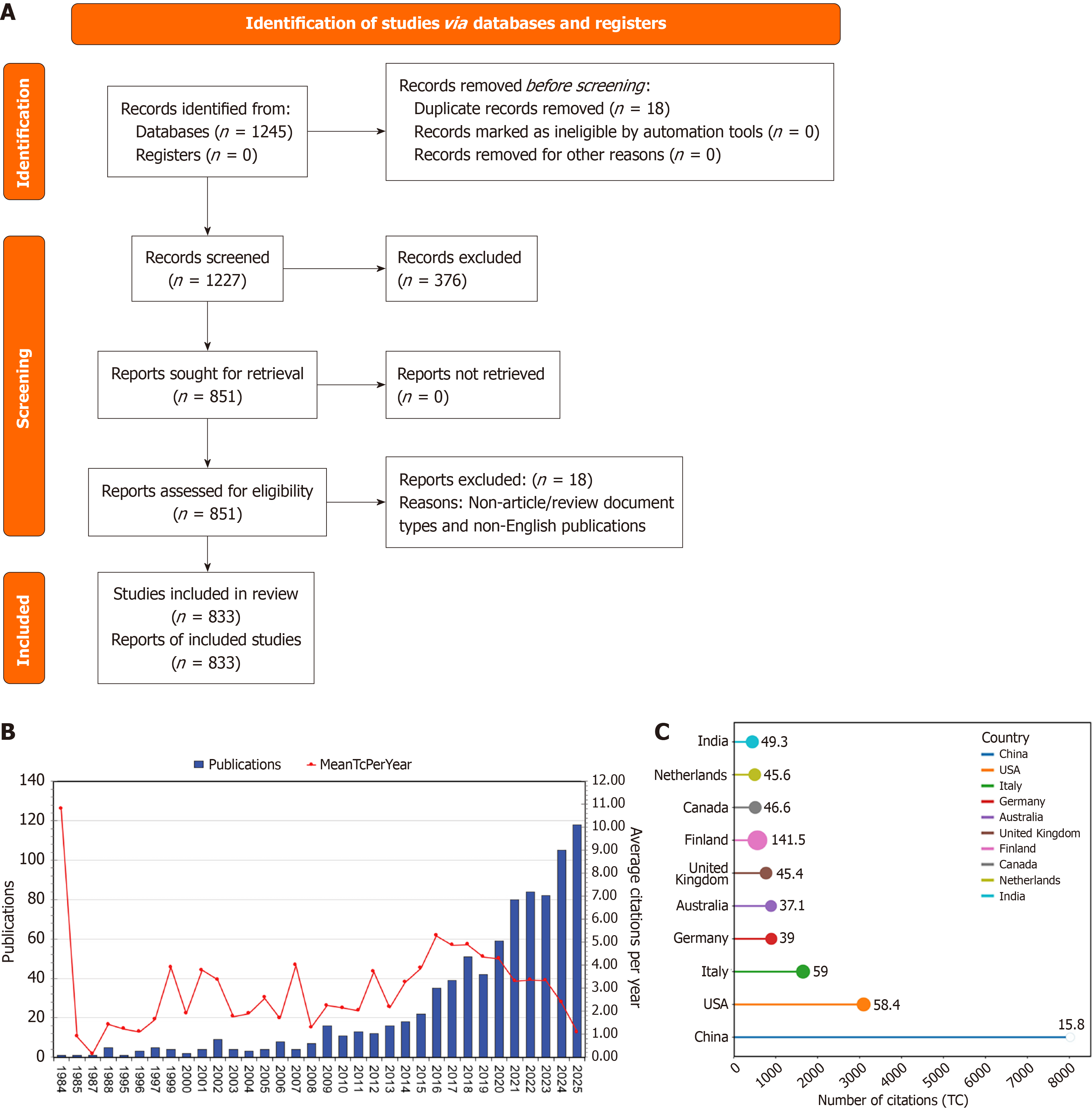
Figure 1 Bibliometric analysis of global research trends in post-stroke depression.
A: Flowchart of the study selection process. A systematic search of the Web of Science Core Collection using keywords related to “post-stroke depression” identified 1245 publications. After applying inclusion criteria [e.g., article or review, English language, studies involving human patients, animal models, or cellular models of post-stroke depression (PSD)], 833 publications were included for final bibliometric analysis; B: Annual publication output and citation impact from 1984 to 2024. The bar chart shows the number of publications per year, illustrating the growth of research volume. The line graph represents the average number of citations per year (MeanTcPerYear), indicating the temporal trend of scholarly influence; C: Citation analysis by country. The horizontal bar chart displays the top-contributing countries ranked by their total citation counts, highlighting the most influential countries in the PSD research field. Analyses were performed using CiteSpace (6.3.R1), VOSviewer (1.6.20), R (4.5.1), and Excel (2025).
- Citation: Gu JX, Liu CQ, Chen GX, Yao T, Sun ZX, Wang Y. Post-stroke depression update 2025: Mechanisms, prediction, and management. World J Psychiatry 2026; 16(6): 115996
- URL: https://www.wjgnet.com/2220-3206/full/v16/i6/115996.htm
- DOI: https://dx.doi.org/10.5498/wjp.v16.i6.115996