
















Copyright: ©Author(s) 2026.
World J Psychiatry. Apr 19, 2026; 16(4): 117207
Published online Apr 19, 2026. doi: 10.5498/wjp.v16.i4.117207
Published online Apr 19, 2026. doi: 10.5498/wjp.v16.i4.117207
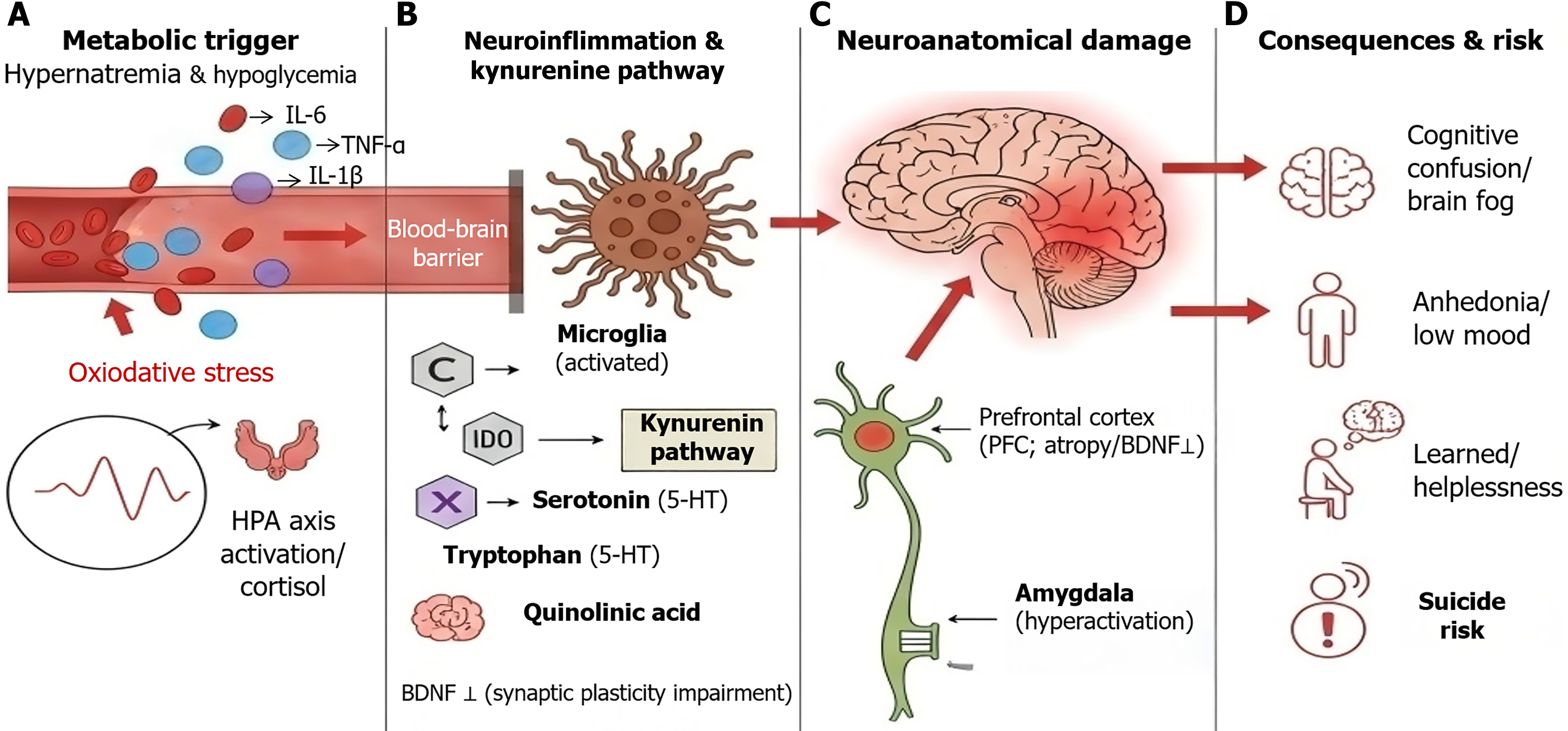
Figure 2 Hypothalamic-pituitary-adrenal axis dysfunction and stress susceptibility.
The cascade from glycemic variability to psychological despair. A: Extreme glucose fluctuations act as physiological stressors; B: Triggering excessive hypothalamic-pituitary-adrenal axis activation and flattening cortisol rhythms; C: Elevated cortisol inhibits brain-derived neurotrophic factor expression, impairing synaptic plasticity; D: This biological state translates into “learned helplessness”, a core psychological driver of suicidal ideation in type 1 diabetes. HPA: Hypothalamic-pituitary-adrenal; BDNF: Brain-derived neurotrophic factor; IL: Interleukin; TNF: Tumor necrosis factor.
- Citation: Wang DY, Yuan MY, Zhi H. Comorbid depression and glycemic instability in adolescent type 1 diabetes: Clinical insights into suicide risk. World J Psychiatry 2026; 16(4): 117207
- URL: https://www.wjgnet.com/2220-3206/full/v16/i4/117207.htm
- DOI: https://dx.doi.org/10.5498/wjp.v16.i4.117207