
















Copyright: ©Author(s) 2026.
World J Psychiatry. Dec 19, 2026; 16(12): 125293
Published online Dec 19, 2026. doi: 10.5498/wjp.125293
Published online Dec 19, 2026. doi: 10.5498/wjp.125293
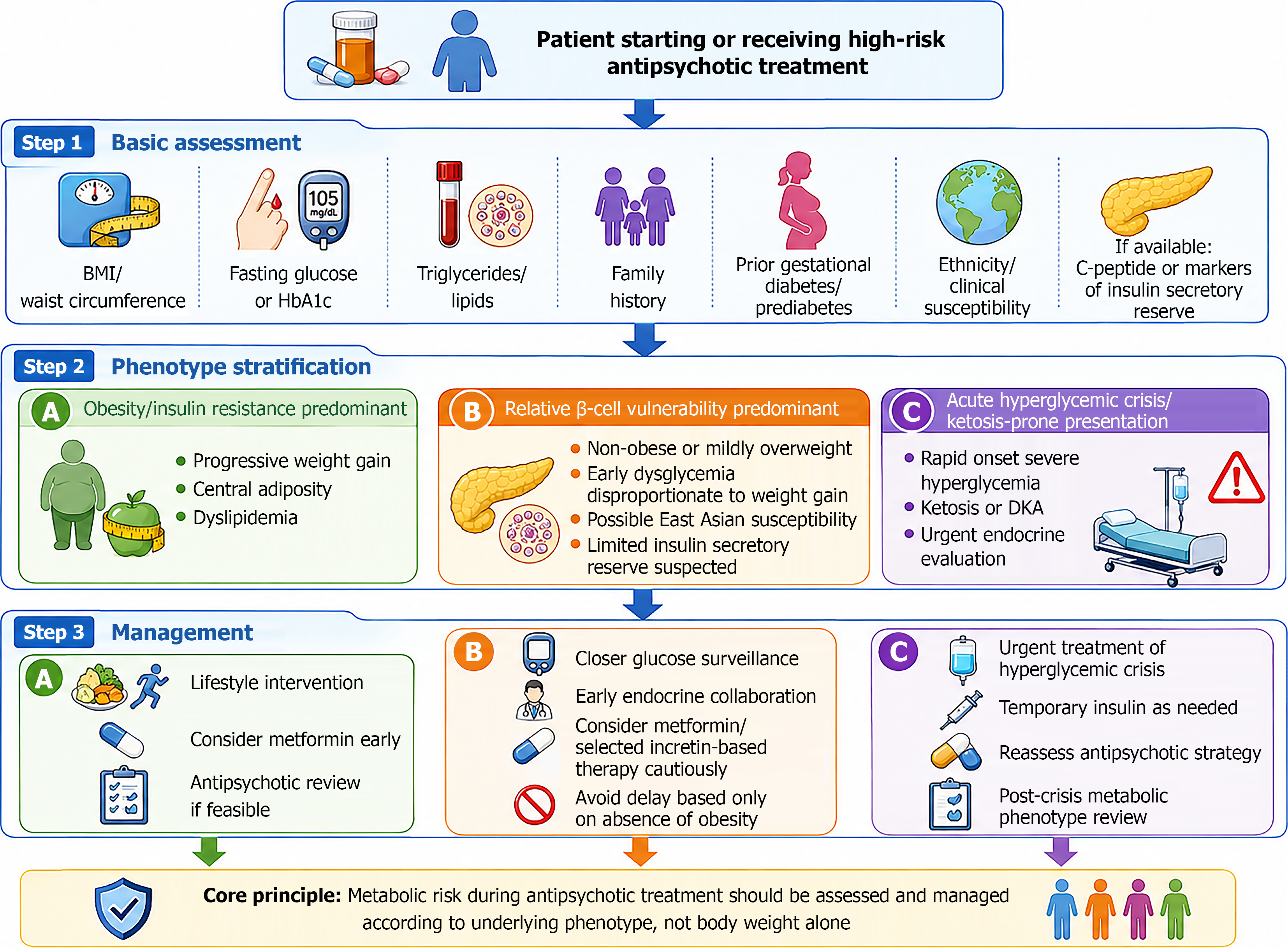
Figure 1 Conceptual dual-pathway model of antipsychotic-induced diabetes.
Second-generation antipsychotics may promote dysglycemia through two partially overlapping pathways. The first is an obesity-dependent pathway characterized by hyperphagia, weight gain, adipose dysfunction, and progressive insulin resistance. The second is an obesity-independent pathway in which direct β-cell stress, including endoplasmic reticulum stress, proinsulin misfolding, maladaptive stress signaling, dedifferentiation, and autophagy/lysosomal dysfunction, contributes to impaired insulin secretion. These pathways may converge on β-cell failure and hyperglycemia, with relative β-cell vulnerability potentially amplifying risk in susceptible individuals, including some East Asian patients. The figure is intended as a conceptual framework rather than a definitive causal map. BMI: Body mass index; HbA1c: Glycated hemoglobin; DKA: Diabetic ketoacidosis. Generated by GenSpark’s diagramming feature and subsequently reviewed and verified in detail by the author.
- Citation: Nagamine T. Antipsychotic-induced diabetes: Moving beyond obesity toward β-cell vulnerability. World J Psychiatry 2026; 16(12): 125293
- URL: https://www.wjgnet.com/2220-3206/full/v16/i12/125293.htm
- DOI: https://dx.doi.org/10.5498/wjp.125293