
















Copyright: ©Author(s) 2026.
World J Psychiatry. Dec 19, 2026; 16(12): 120307
Published online Dec 19, 2026. doi: 10.5498/wjp.120307
Published online Dec 19, 2026. doi: 10.5498/wjp.120307
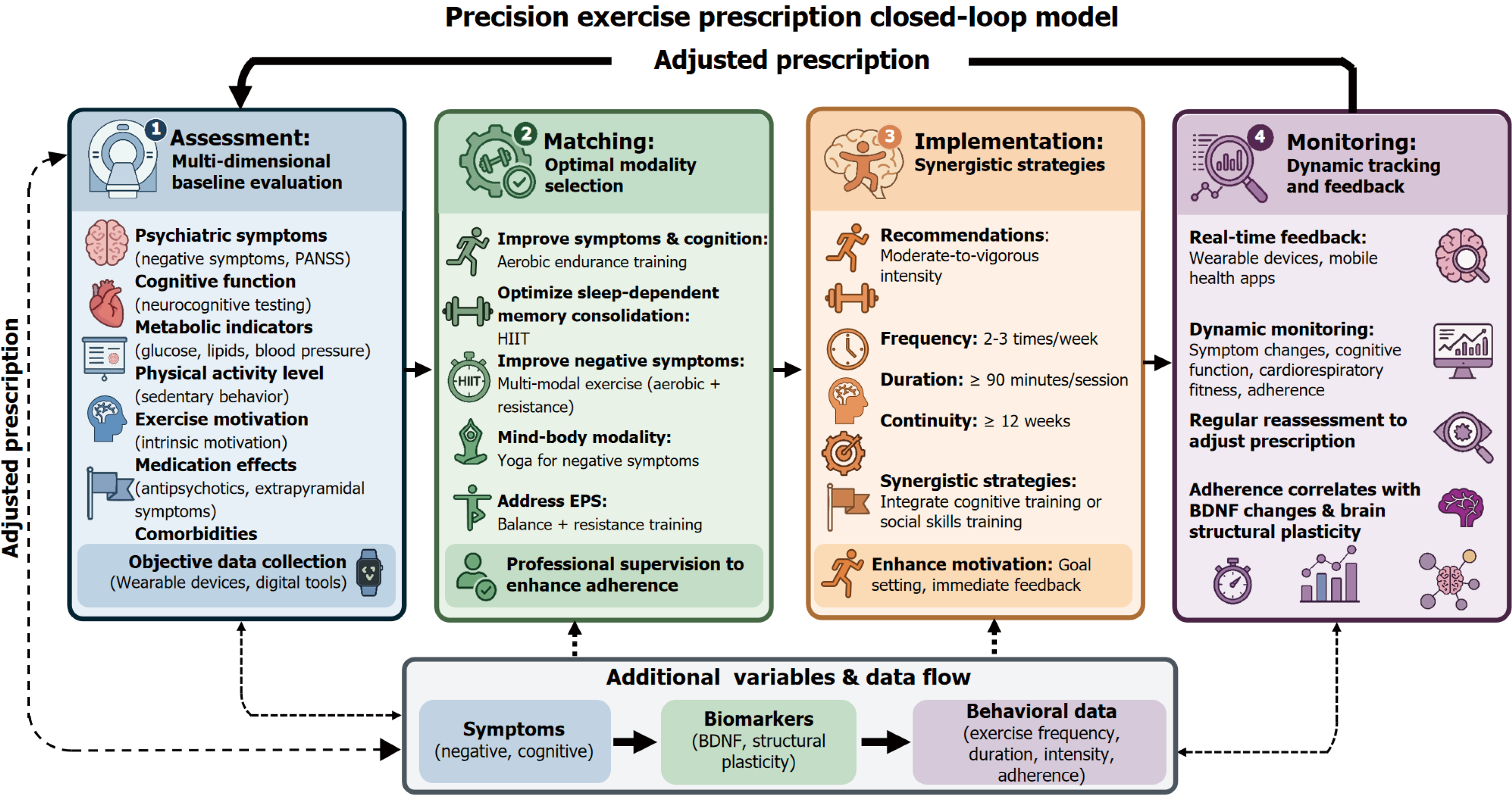
Figure 2 Closed-loop model diagram of precision exercise prescription for schizophrenia.
This four-stage framework promotes a paradigm shift from a “one-size-fits-all” approach to individualized “precision sports medicine”: (1) Assessment: Multi-dimensional baseline evaluation of psychiatric symptoms, cognitive function, metabolic indicators, and exercise motivation using objective digital tools; (2) Matching: Selection of optimal exercise modalities based on clinical phenotypes, such as aerobic training for global cognition, high-intensity interval training for memory consolidation, or yoga/multimodal exercise for negative symptoms; (3) Implementation: Application of evidence-based parameters (moderate-to-vigorous intensity, ≥ 90 minutes/session, ≥ 12 weeks) integrated with cognitive or social skills training; and (4) Monitoring: Real-time feedback through wearable devices to track adherence and symptom dynamics, enabling dynamic prescription adjustment based on biomarkers and behavioral data. PANSS: Positive and Negative Syndrome Scale; HIIT: High-intensity interval training; EPS: Extrapyramidal symptoms; BDNF: Brain-derived neurotrophic factor.
- Citation: Zhou XC, Qu JC. Moving beyond efficacy: Why, how and for whom exercise works in schizophrenia. World J Psychiatry 2026; 16(12): 120307
- URL: https://www.wjgnet.com/2220-3206/full/v16/i12/120307.htm
- DOI: https://dx.doi.org/10.5498/wjp.120307