















Copyright: ©Author(s) 2026.
World J Psychiatry. Nov 19, 2026; 16(11): 124210
Published online Nov 19, 2026. doi: 10.5498/wjp.124210
Published online Nov 19, 2026. doi: 10.5498/wjp.124210
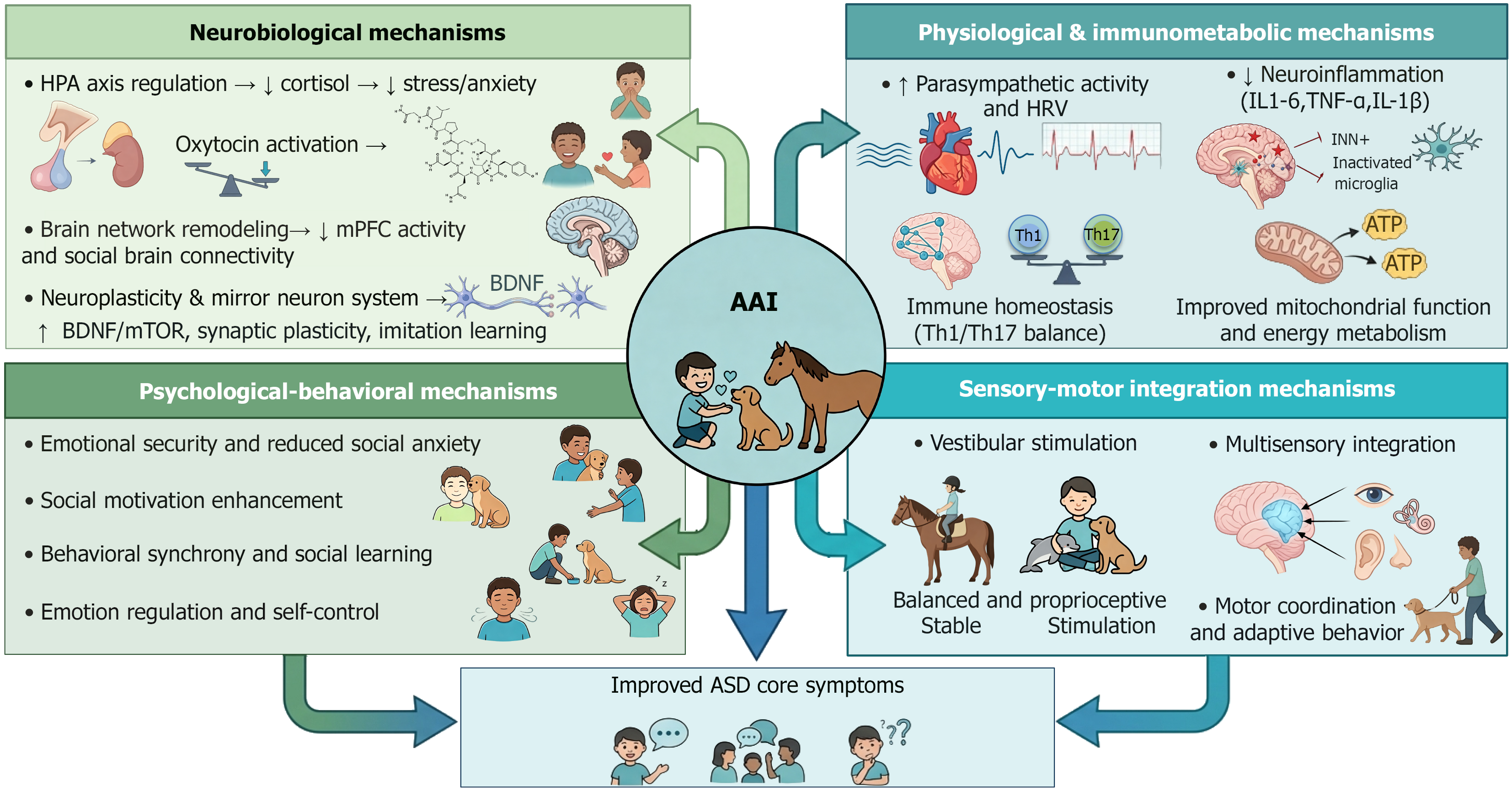
Figure 2 Proposed mechanistic framework of animal-assisted intervention for autism spectrum disorder.
Animal-assisted intervention may exert its therapeutic effects through four interconnected pathways: Neurobiological regulation (hypothalamic-pituitary-adrenal axis modulation, oxytocin system activation, brain network remodeling, and neuroplasticity enhancement), physiological and immunometabolic modulation (autonomic nervous system regulation, cytokine balance restoration, and mitochondrial function improvement), psychological-behavioral facilitation (emotional security, social motivation, behavioral synchrony, and self-control), and sensorimotor integration (vestibular, proprioceptive, and multisensory input processing). These pathways converge to improve core autism spectrum disorder symptoms. HPA: Hypothalamic-pituitary-adrenal; mPFC: Medial prefrontal cortex; BDNF: Brain-derived neurotrophic factor; mTOR: Mammalian target of rapamycin; AAI: Animal-assisted intervention; HRV: Heart rate variability; IL: Interleukin; TNF-α: Tumor necrosis factor-α; INN: Interneuron network; ATP: Adenosine triphosphate; ASD: Autism spectrum disorder.
- Citation: Zhou XC, Qu JC. Potential mechanisms and research progress of animal-assisted interventions for autism spectrum disorder. World J Psychiatry 2026; 16(11): 124210
- URL: https://www.wjgnet.com/2220-3206/full/v16/i11/124210.htm
- DOI: https://dx.doi.org/10.5498/wjp.124210