
















©The Author(s) 2026.
World J Psychiatry. Jan 19, 2026; 16(1): 111812
Published online Jan 19, 2026. doi: 10.5498/wjp.v16.i1.111812
Published online Jan 19, 2026. doi: 10.5498/wjp.v16.i1.111812
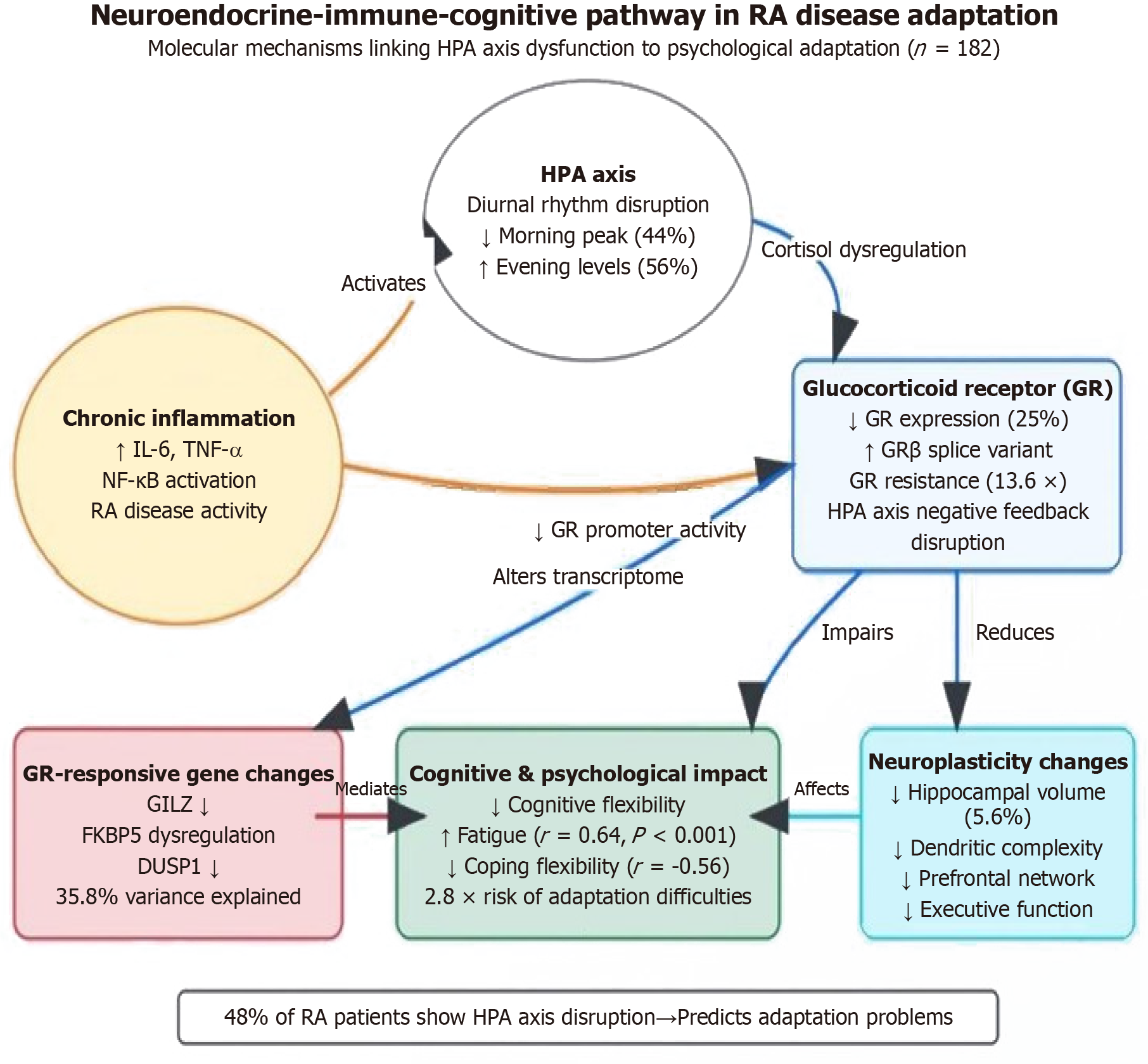
Figure 2 Neuroendocrine-immune-cognitive pathway in rheumatoid arthritis.
This diagram illustrates how chronic inflammation in rheumatoid arthritis patients triggers a molecular cascade beginning with hypothalamic-pituitary-adrenal axis dysfunction (48% of patients showing cortisol rhythm disruption) and glucocorticoid receptor downregulation (25%), which leads to altered gene expression patterns affecting cognitive flexibility and coping mechanisms. The resulting neurobiological changes, including reduced hippocampal volume (5.6%) and impaired prefrontal network function, create a 2.8-fold increased risk of psychological adaptation difficulties, explaining 358% of variance in adaptation outcomes and establishing a direct molecular link between inflammatory disease activity and psychological vulnerability. RA: Rheumatoid arthritis; HPA: Hypothalamic-pituitary-adrenal; IL-6: Interleukin-6; TNF-α: Tumor necrosis factor-α; NF-κB: Nuclear factor-κB; GR: Glucocorticoid receptor; GILZ: Glucocorticoid-induced leucine zipper; FKBP5: FKBP prolyl isomerase 5; DUSP1: Dual specificity phosphatase 1.
- Citation: Chen XM, Cheng X, Wu W. Dynamic psychological vulnerability and adaptation in rheumatoid arthritis: Trajectories, predictors, and interventions. World J Psychiatry 2026; 16(1): 111812
- URL: https://www.wjgnet.com/2220-3206/full/v16/i1/111812.htm
- DOI: https://dx.doi.org/10.5498/wjp.v16.i1.111812