
















©The Author(s) 2026.
World J Psychiatry. Jan 19, 2026; 16(1): 110146
Published online Jan 19, 2026. doi: 10.5498/wjp.v16.i1.110146
Published online Jan 19, 2026. doi: 10.5498/wjp.v16.i1.110146
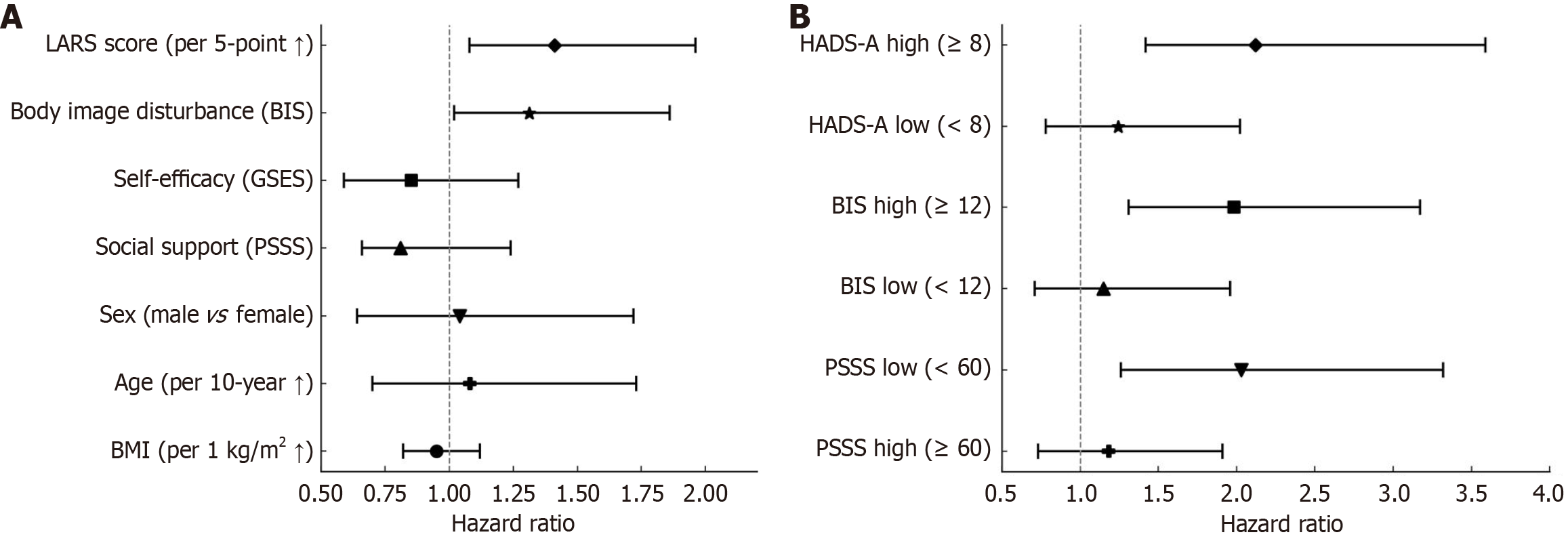
Figure 4 Multivariable predictors and subgroup heterogeneity of emotional remission following electroacupuncture.
Forest plot showing adjusted hazard ratios (HRs) with 95% confidence intervals for time to emotional remission and psychological subgroups (defined as Hospital Anxiety and Depression Scale-Anxiety subscale reduction ≥ 3 points) based on multivariate Cox regression (model 2). A: Forest plot of multivariate Cox regression for emotional remission (model 2). The model was adjusted for sex, age, body mass index, low anterior resection syndrome score, Body Image Scale, General Self-Efficacy Scale, and Perceived Social Support Scale. HRs > 1 indicate a higher likelihood of earlier emotional remission. Symbols represent individual variables, and the vertical dashed line at HR = 1 denotes the null value; B: Subgroup analysis of electroacupuncture effect on emotional remission. Subgroup stratifications were based on baseline anxiety level (Hospital Anxiety and Depression Scale-Anxiety subscale), body image disturbance (Body Image Scale), and perceived social support (Perceived Social Support Scale). Significant heterogeneity in treatment effect was observed, with greater benefit in patients with higher baseline psychological burden. The vertical dashed line indicates HR = 1. Symbols represent subgroup strata. LARS: Low anterior resection syndrome; BIS: Body Image Scale; GSES: General Self-Efficacy Scale; PSSS: Perceived Social Support Scale; BMI: Body mass index; HADS-A: Hospital Anxiety and Depression Scale-Anxiety subscale.
- Citation: Wang N, Yang Y, Li SS, Wang XF. Electroacupuncture improves psychosocial outcomes in rectal cancer patients with bowel dysfunction. World J Psychiatry 2026; 16(1): 110146
- URL: https://www.wjgnet.com/2220-3206/full/v16/i1/110146.htm
- DOI: https://dx.doi.org/10.5498/wjp.v16.i1.110146